Americas Fuel Availability Outlook 8 Jan
Longer lead times advised in Houston
Prolonged delays expected in GOLA
VLSFO and LSMGO tight in Rio de Janeiro
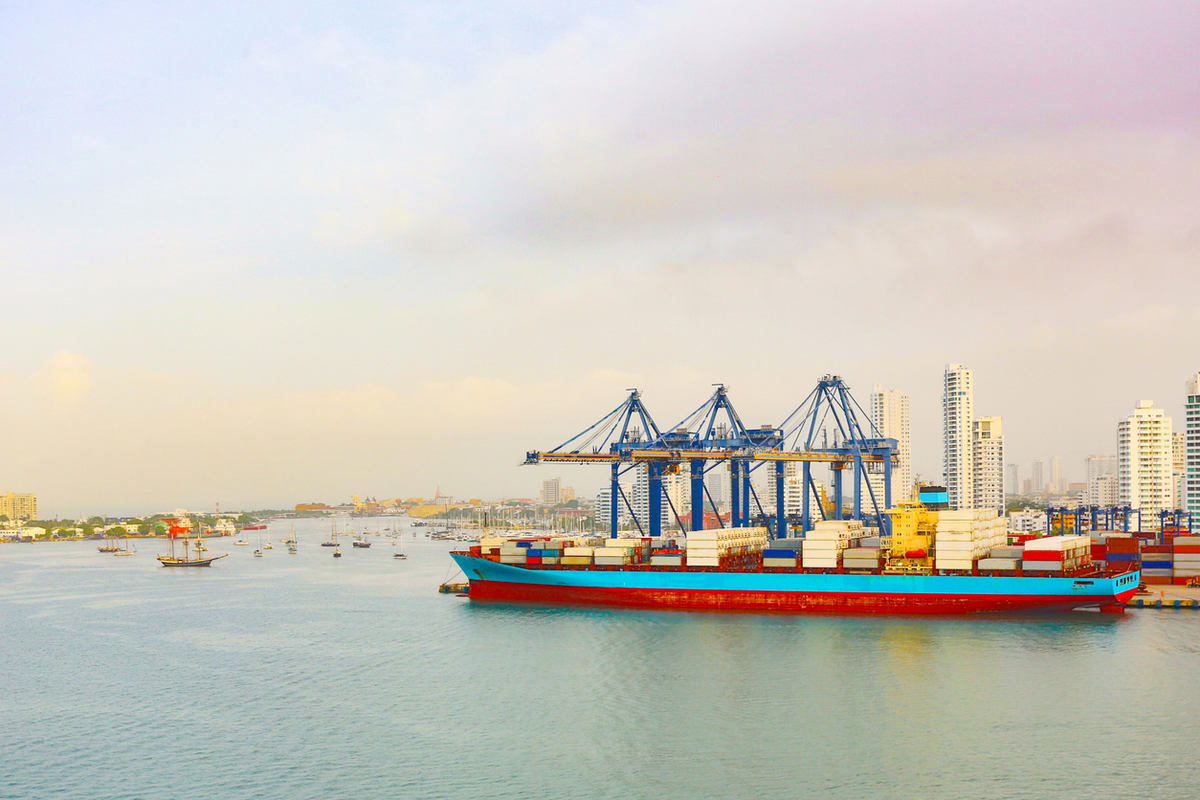
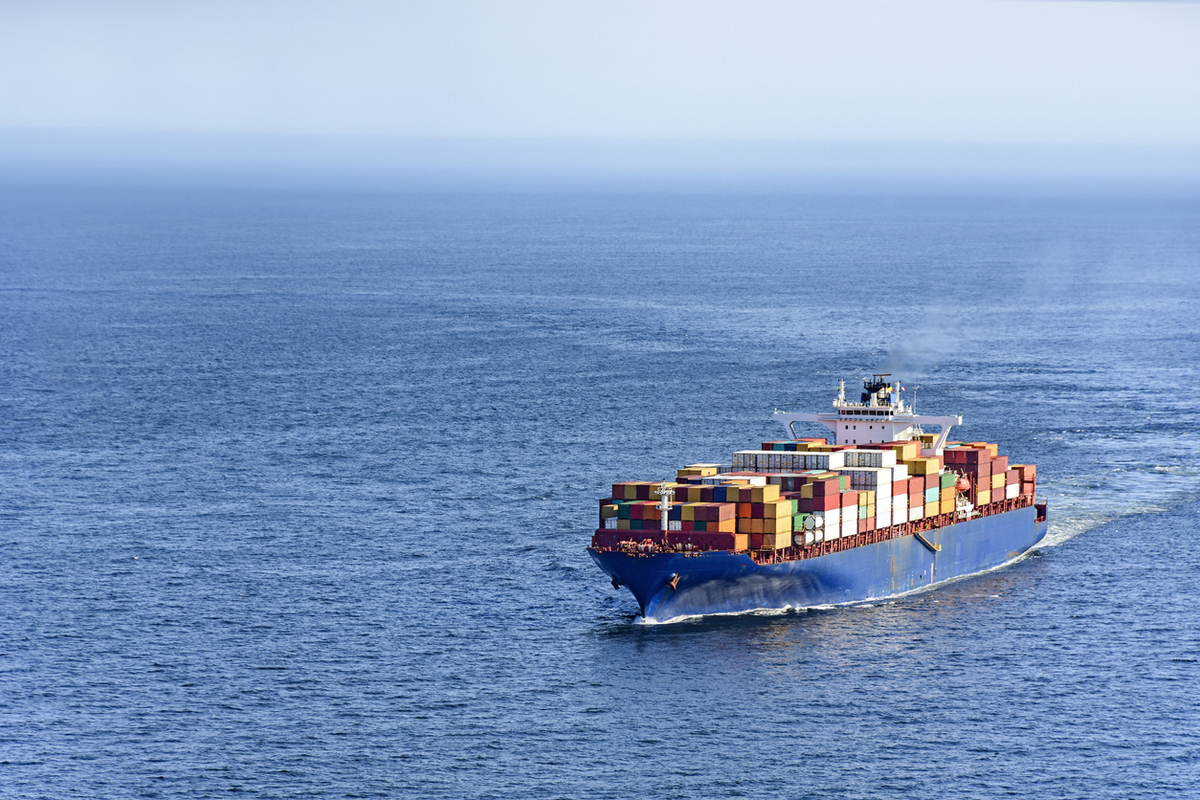 IMAGE: A container vessel sails off Rio de Janeiro, Brazil. Getty Images
North America
Bunker fuel demand in Houston has seen an uptick at the start of the year, though seasonal fog has led to increased bunker delays.
Recommended lead times for all the three main conventional fuel grades have been extended to at least seven days, as weather-related disruptions and congestion continue to affect deliveries, a source said.
The fog season remains active across the US Gulf Coast region, with visibility periodically dropping below safe transit thresholds, increasing the risk of intermittent channel closures and barge delays.
Both the Houston Ship Channel and the Sabine–Neches Waterway were temporarily closed from Monday due to reduced visibility. Vessel transits resumed on Wednesday afternoon.
In the Galveston Offshore Lightering Area (GOLA), high winds and elevated sea conditions are expected to disrupt operations until 12 January, with prolonged delivery delays likely during this period.
Port closures and barge delays have primarily been reported in the ports of Houston, Beaumont and Galveston this week, a bunker trader tells ENGINE.
In New York, demand for VLSFO has strengthened in January, while HSFO liftings have declined.
VLSFO and HSFO are available this week with lead times of 6–8 days, while LSMGO requires shorter lead times of around 2–3 days.
Weather conditions have improved after extremely cold earlier in the week caused some supply delays, though a dense fog advisory remains in effect at New York Harbor until 10.00 local time on Friday, a ship agent said.
Demand in Los Angeles remains healthy, with all three grades available from most suppliers within lead times of 7–8 days.
Container traffic is expected to ease, with 19 vessel arrivals forecast next week, down from 21 this week, according to the port’s vessel tracker Signal.
In Canada's Vancouver, HSFO can be delivered between 14–15 January, while VLSFO and LSMGO can be supplied within lead times of 4–8 days.
Latin America and the Caribbean
In Panama, bunker fuel demand has increased since the end of last year.
Availability at Balboa and Cristobal remains good, with all three grades deliverable within recommended lead times of 4–7 days.
The shortest lead time VLSFO and LSMGO can be delivered via one supplier in Panama is around 2–3 days.
In Colombia’s key ports of Cartagena, Santa Marta and Barranquilla, fuel availability remains good, with VLSFO and LSMGO requiring lead time of 3-4 days, a bunker trader said.
In the Bahamas' Freeport, weather conditions remain stable, with cruise vessels being prioritised for bunker deliveries.
HSFO is currently not available in Brazil. VLSFO and LSMGO availability is steady in Santos, with lead times of around 5–8 days.
In Rio de Janeiro, availability is tight for both grades and requires at least seven days of lead time, a supplier said. At OPL Sepetiba, the earliest delivery date for VLSFO and LSMGO is 10 January.
In Salvador, availability is okay, and lead times are between 4-5 days for most suppliers. Paranaguá continues to offer normal VLSFO availability with delivery in 4–5 days, while LSMGO remains unavailable.
Across Rio Grande, Belém and Vila do Conde, both low sulphur grades are available and can be supplied within the recommended lead times of 4–5 days. In Itaqui, the earliest delivery date for VLSFO is between 10-11 January. LSMGO is currently not available in the port.
At Argentina’s Zona Comun, high wind gusts are expected to disrupt bunkering until 10 January, with deliveries likely to be suspended intermittently. Advised lead times have been extended to around 8–10 days this week, a source said.
By Gautamee Hazarika
Please get in touch with comments or additional info to news@engine.online