Americas Market Update 5 Mar
Fuel prices have mostly moved upwards, and bunker operations in Zona Comun have been suspended due to strong wind gusts.
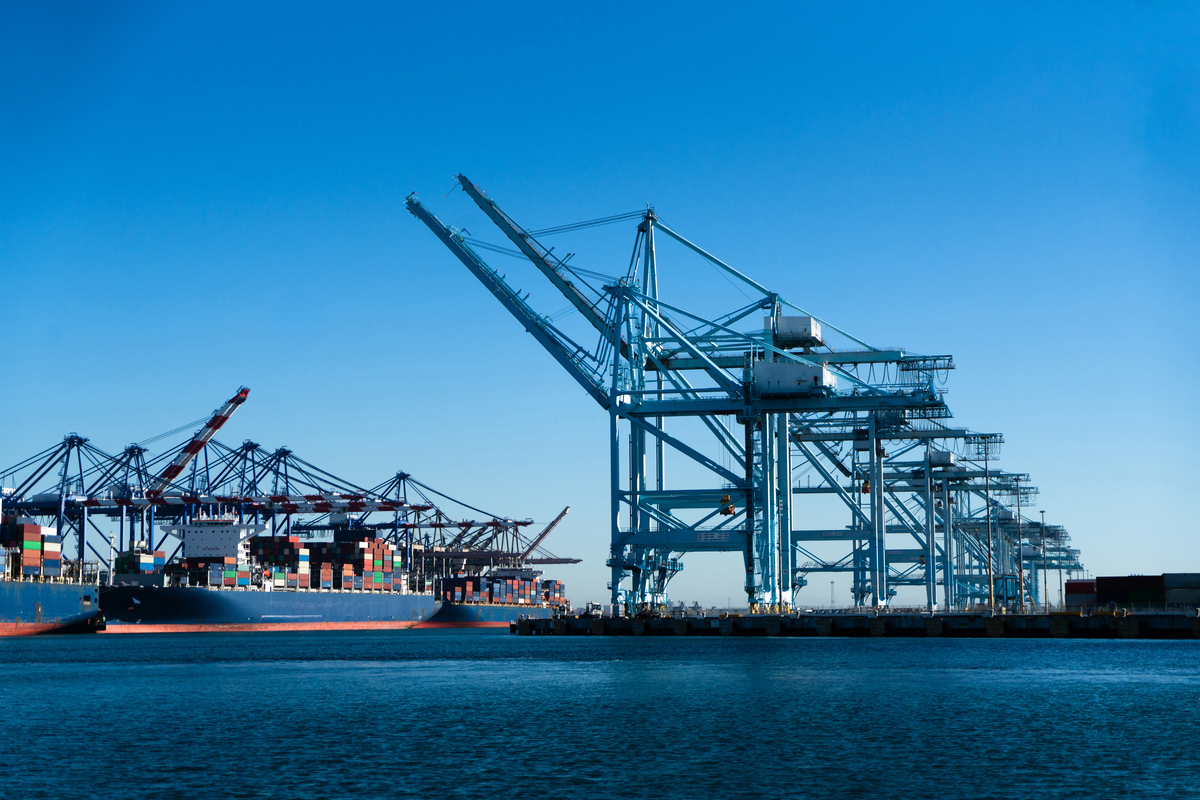
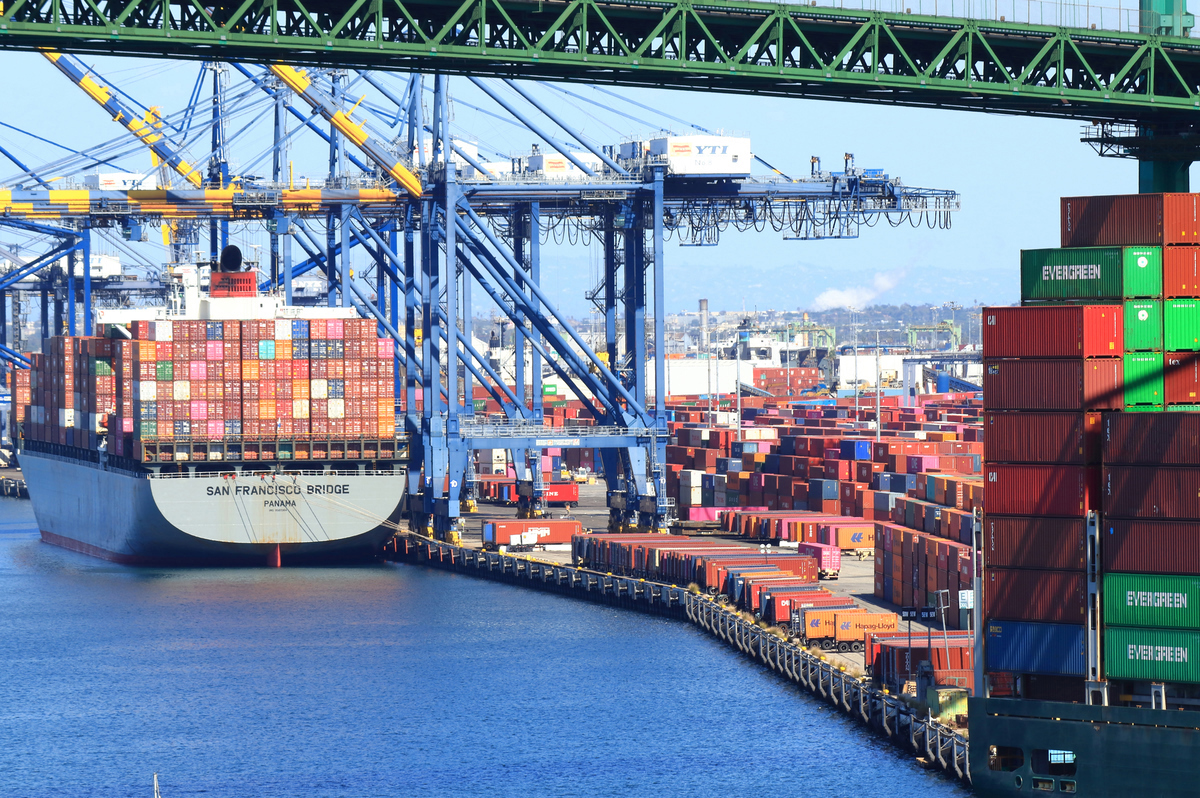 IMAGE: Cargo containers being offloaded in the Port of Los Angeles. Getty Images.
Changes on the day to 07.00 CST (13.00 GMT) today:
- VLSFO prices up in Los Angeles ($39/mt), Zona Comun ($32/mt), Balboa ($24/mt), New York ($23/mt) and Houston ($9/mt)
- LSMGO prices up in Los Angeles ($72/mt), Houston ($52/mt), New York ($33/mt), Balboa ($17/mt), and down in Zona Comun ($45/mt)
- HSFO prices up in Los Angeles ($27/mt), Houston ($21/mt), New York ($19/mt) and Balboa ($13/mt)
Fuel prices have mostly tracked Brent's upward movement, except Zona Comun's LSMGO price, which has declined over the past day.
A lower-priced 50–150 mt LSMGO stem, fixed at $1081/mt, may have put additional downward pressure on the benchmark.
The anchorage's VLSFO price, meanwhile, has increased after a higher-priced 500–1500 mt VLSFO stem was fixed at $619/mt, pushing the benchmark up.
Bunker deliveries have currently been suspended at the anchorage, with high wind gusts blowing at over 20 knots in the region.
Los Angeles' LSMGO price has gained by the largest margin across all grades and ports. However, it is currently trading at discounts of $69/mt to Houston and $162/mt to New York.
On the US West Coast, the ports of Los Angeles and Long Beach have normal availability, with most suppliers able to deliver all three fuel grades within 7–8 days.
Brent
The front-month ICE Brent contract has increased by $2.46/bbl on the day, to trade at $83.56/bbl at 7.00 CST (13.00 GMT) today.
Upward pressure:
Brent’s price has held steady on the back of a full-blown conflict between US-Israel and Iran.
Iran’s Islamic Revolutionary Guard Corps (IRGC) has completely sealed the Strait of Hormuz, according to media reports.
The news comes as continued airstrikes in the region have significantly escalated maritime security threats.
“Concerns are centred on the flow of supply through the Strait of Hormuz,” ANZ Bank’s senior commodity strategist Daniel Hynes said.
About 20% of global oil supply transits the vital waterway, according to analysts.
“With producers unable to export their oil they are having to stockpile stranded supplies in storage tanks,” Hynes added.
Downward pressure:
Brent’s price has felt some downward pressure after the US Energy Information Administration (EIA) reported a rise in US crude stocks.
Commercial US crude oil inventories have increased by 3.5 million bbls to 439 million bbls for the week ending 27 February, according to data from the EIA.
A rise in US crude stocks can indicate lower demand for oil and put some downward pressure Brent's price.
By Gautamee Hazarika and Aparupa Mazumder
Please get in touch with comments or additional info to news@engine.online