Brent plunges amid growing hopes of a US-Iran peace deal
The front-month ICE Brent contract has declined by $7.30/bbl on the day from Friday, to trade at $98.51/bbl at 09.00 GMT.
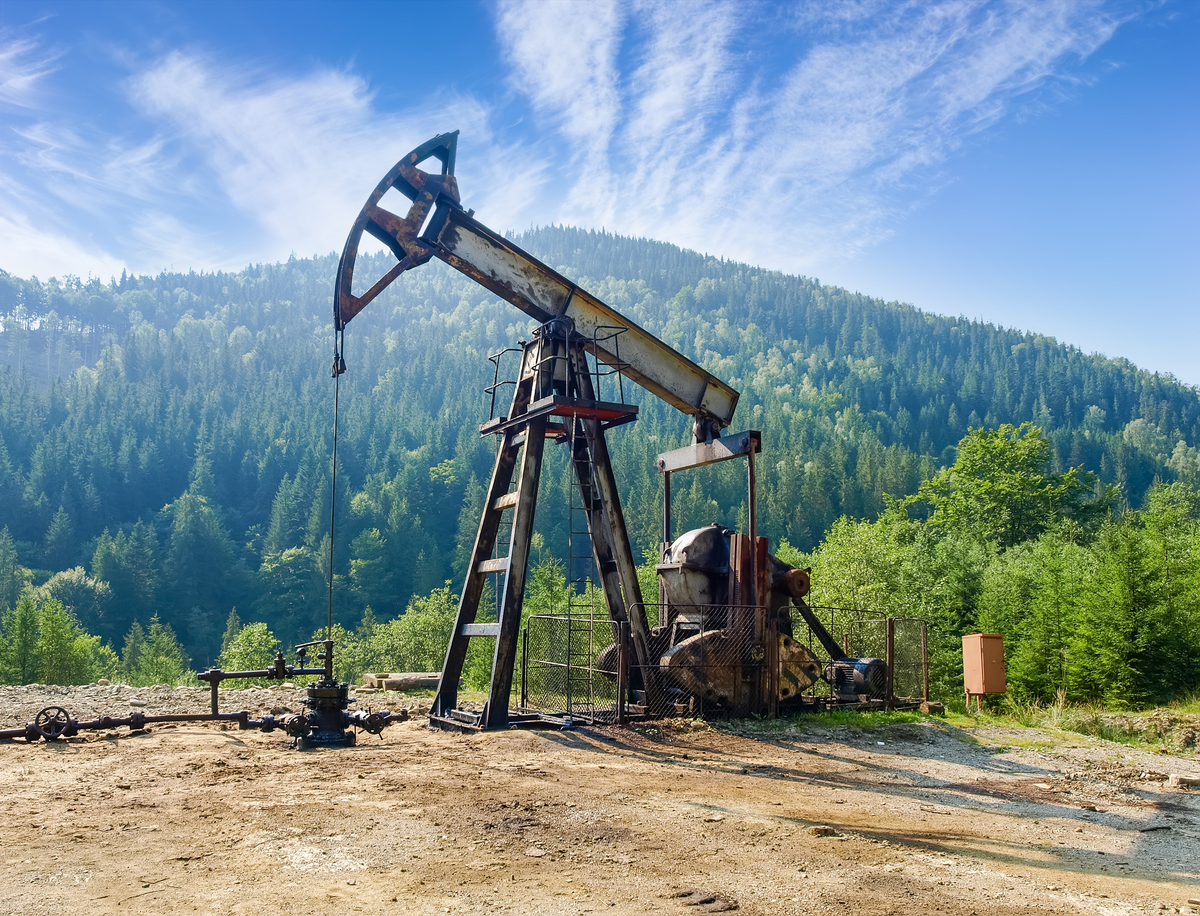 IMAGE: An oil pumpjack. Getty Images
Upward pressure:
Brent’s price has felt little immediate upward pressure today, with market traders continuing to factor in the risk of ongoing peace talks breaking down again before a final agreement is reached.
Last week, officials from the European Union (EU) warned that oil prices are expected to remain above what they were prior to the onset of the war on 28 February, at least until the end of next year.
EU economy commissioner Valdis Dombrovskis said that higher energy prices are primarily responsible for keeping inflation elevated in Europe through 2027, the Associated Press (AP) reported.
While a peace deal between the US and Iran will offer some relief to the oil market, questions remain over how quickly oil flows through the Strait of Hormuz are to recover to pre-war levels.
“While talks continue, vessels are still trickling through the Strait of Hormuz,” ING Bank’s head of commodities strategy Warren Patterson noted. “The big unknown is how the US and Iran will resolve their differences on Iran’s nuclear programme,” he added.
Downward pressure:
Brent crude’s price has plunged at the start of this week, amid signs of progress in the ongoing ceasefire negotiations between Washington and Tehran.
US President Donald Trump wrote on social media platform Truth Social yesterday that talks with Tehran are proceeding in an “orderly and constructive manner”, putting downward pressure on oil prices.
“Crude oil prices fell… as the market pondered a peace deal between the US and Iran that could ultimately reopen the Strait of Hormuz,” ANZ Bank’s senior commodity strategist Daniel Hynes said.
Additionally, Baker Hughes reported a big rise in US crude oil rig activity. The total number of rigs drilling for crude oil in the US rose by 10 to 425 units last week.
The US oil rig count is seen as an indicator of future oil production. It reflects how much oil drilling activity is happening or expected to happen in the shale sector.
By Aparupa Mazumder
Please get in touch with comments or additional info to news@engine.online