Brent reverses course, shedding over $10/bbl
The front-month ICE Brent contract has lost by $11.52/bbl on the day, to trade at $101.81/bbl at 09.00 GMT.
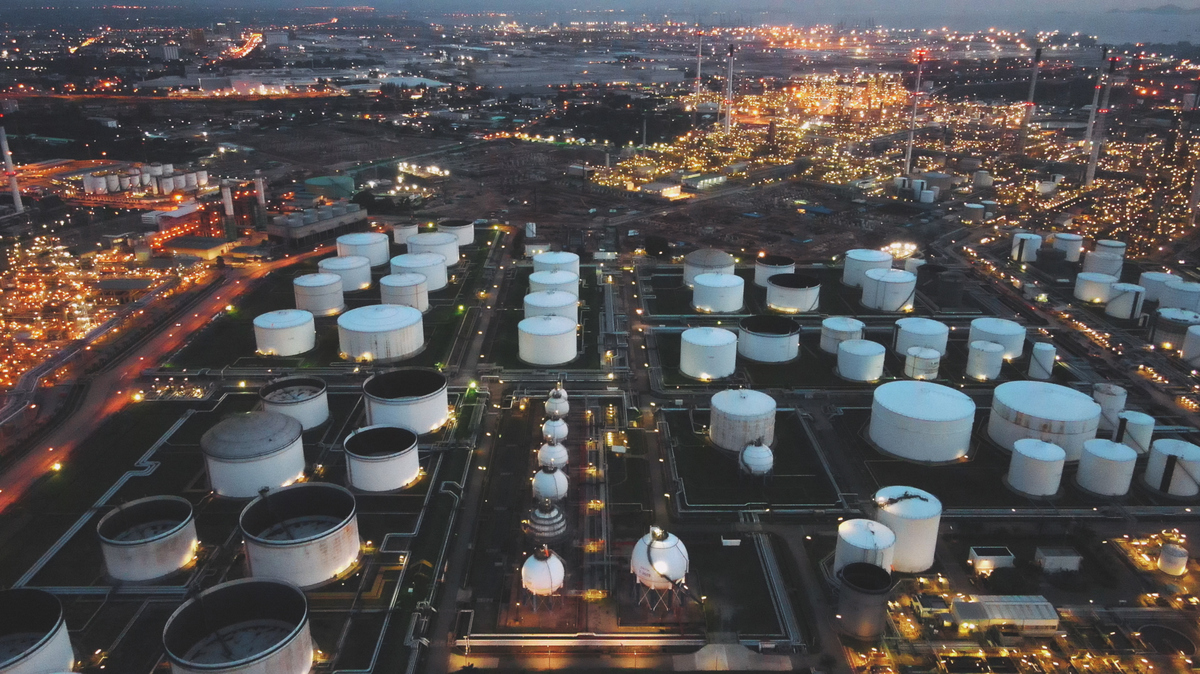 IMAGE: Oil storage facility. Getty Images
Upward pressure:
Brent’s price has traded north of $100/bbl in the fourth week of the Middle East conflict, supported by the ongoing strikes on energy infrastructure.
OPEC’s de-facto leader Saudi Arabia’s Ministry of Defense posted on social media platform X that it intercepted a series of drone attacks targeted toward its Eastern Province – where the Kingdom’s major oil fields and refineries are located.
Meanwhile, Iran has rejected the idea of engaging in direct negotiations with Washington or reopening the Strait of Hormuz for commercial vessels.
Brent’s price has climbed “amid reports that Saudi Arabia and the UAE have taken steps toward joining the conflict, raising the risk of escalation,” two analysts from ING Bank said.
Downward pressure:
Brent crude’s price has lost over $10/bbl after US President Donald Trump claimed that Washington would delay strikes on Iran’s power plants and energy infrastructure anytime soon.
Oil market participants have interpreted Trump’s comments as a sign of easing in the Middle East crisis.
“Oil prices saw one of their sharpest intraday swings on record… after President Donald Trump signalled a potential de‑escalation with Iran,” ING Bank’s analysts said.
Additionally, Japan will start releasing oil from its strategic reserve by the end of March, Reuters reported citing the country’s Prime Minister Sanae Takaichi.
Japan will contribute about 80 million bbls, coordinated by the International Energy Agency (IEA).
“We began releasing privately held reserves on March 16, and will begin releasing national reserves from the 26th,” Reuters cited Takaichi as saying.
By Aparupa Mazumder
Please get in touch with comments or additional info to news@engine.online