East of Suez Fuel Availability Outlook 24 Nov
VLSFO, HSFO supply tight across Singapore
Bunker demand low in Zhoushan
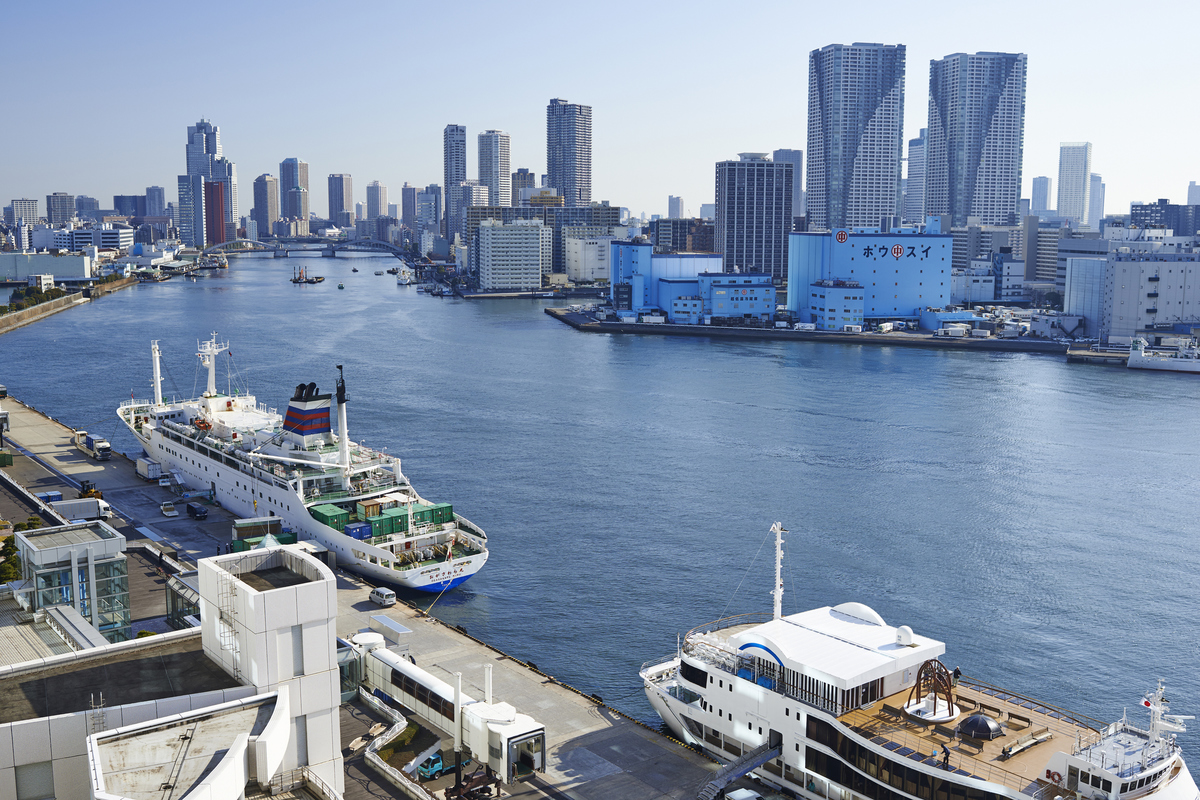
VLSFO availability tight across several Japanese ports
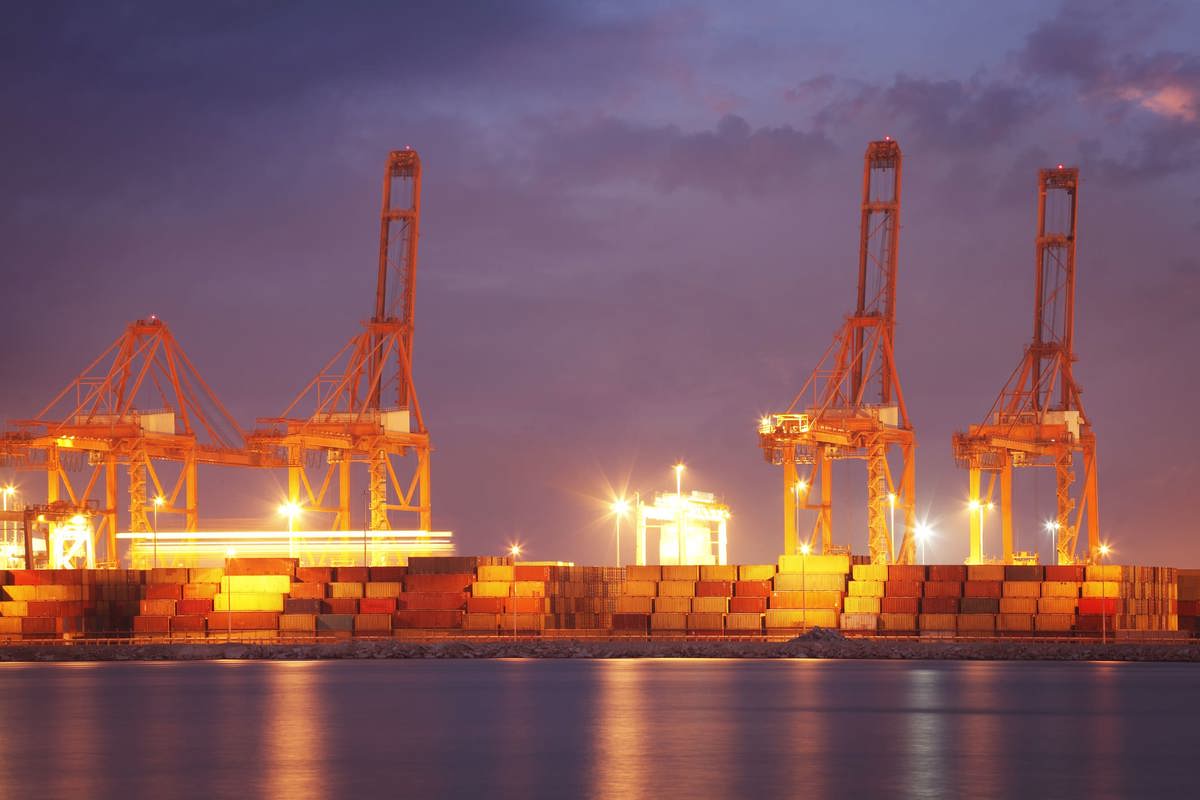 IMAGE: Port of Salalah in Oman during the twilight hours. Getty Images
Singapore and Malaysia
Bunker fuel availability remains tight in Singapore, with terminal loading slots and barge capacity largely booked through November for most suppliers. Some suppliers have also begun receiving bookings for December deliveries, a source said.
VLSFO lead times have shortened to 12-14 days, from 15-17 days last week. HSFO lead times are around 10 days, compared with 9-12 days previously. LSMGO availability has improved more significantly, with lead times falling to 5-8 days, from 12-14 days.
In Malaysia, supply remains constrained across all major fuel grades at Port Klang. Prompt VLSFO availability is particularly limited, while LSMGO supplies are tight for prompt deliveries. HSFO availability also remains restricted.
East Asia
Bunker fuel availability in Zhoushan has improved slightly as subdued demand and a reduced backlog ease pressure on supplies, a source said. Lead times have fallen to around seven days, from nine days last week.
Supply conditions remain mixed across other Chinese ports. Dalian and Qingdao have sufficient VLSFO and LSMGO supplies, although HSFO availability remains tight in Qingdao. All three major fuel grades are in tight supply in Tianjin, while VLSFO and HSFO availability remains limited in Shanghai. LSMGO supplies in Shanghai, however, are relatively stable.
Supply constraints also persist in southern China. Suppliers in Fuzhou, Yangpu and Guangzhou are reporting shortages of both VLSFO and LSMGO. Xiamen, by contrast, has good availability of both grades.
Bunker supply in Hong Kong remains stable, with suppliers recommending lead times of around seven days for the major fuel grades.
In Taiwan, VLSFO and LSMGO lead times remain largely unchanged at around two days across Keelung, Taichung, Kaohsiung and Hualien.
Prompt availability has tightened slightly across several South Korean ports. At southern ports, including Busan, Ulsan, Masan, Onsan, Yeosu and Kwangyang, lead times for all major fuel grades have increased to 5-8 days from 3-7 days last week. A similar increase in lead times has been reported at western ports, including Incheon, Daesan, Dangjin, Pyeongtaek and Taean, where VLSFO, LSMGO and HSFO lead times are also around 5-8 days.
Adverse weather could further disrupt bunker operations at several South Korean ports in the coming days. Operations in Busan and Ulsan may be affected during 24-26 and 28-29 November. Yeosu could face disruptions during 24-25 and 28-29 November, while operations in Daesan may be interrupted between 24-30 November.
VLSFO availability remains severely constrained at several Japanese ports, including Tokyo, Chiba, Kawasaki, Nagoya, Yokkaichi, Osaka, Kobe, Mizushima, Tokuyama and Oita. Supplies at these locations are available on an enquiry basis. HSFO and LSMGO availability, however, remains normal.
Both VLSFO and HSFO supplies are tight in Kashima.
Indonesia continues to buck the tighter supply trend across much of East Asia, with bunker fuel availability generally healthy. Suppliers in Jakarta, Surabaya, Balikpapan and Cigading typically recommend VLSFO lead times of just 2-3 days.
Oceania
Bunker fuel availability remains stable in Western Australia, with VLSFO readily available in Kwinana and Fremantle. Suppliers at both ports recommend lead times of around seven days. Each port has only one supplier, and all bunker deliveries are carried out by barge.
Supply conditions are more varied along Australia's east coast. Port Kembla has normal VLSFO availability, with deliveries possible by truck or pipeline. Sydney has sufficient stocks of VLSFO and LSMGO, although HSFO availability is tighter, requiring suppliers to be given around seven days' notice.
Brisbane and Gladstone have ample VLSFO and LSMGO supplies, with lead times of approximately one week. VLSFO availability has also improved in Melbourne and Geelong. However, HSFO supply has tightened further in Melbourne and Brisbane.
The upcoming cyclone season could pose a risk to bunker operations across Australia, a source said. Running from November through April, the season could disrupt fuel availability and deliveries at ports nationwide.
New Zealand's bunker market remains broadly stable. VLSFO is readily available in Tauranga and Auckland, where suppliers recommend lead times of around four days. At Marsden Point, vessels can receive VLSFO and LSMGO directly through pipelines.
Adverse weather remains the main operational concern in New Zealand, particularly in Wellington and ports across the South Island, where disruptions to marine operations could delay bunker deliveries.
In Papua New Guinea, LSMGO availability remains tight in Rabaul, Madang and Lae.
South Asia
Suppliers recommend lead times of around 2-3 days for VLSFO, HSFO and LSMGO at several major Indian ports, including Kandla, Cochin, Paradip, Visakhapatnam, Kakinada, Haldia, Chennai, Tuticorin and New Mangalore, according to an India-based source.
In Mumbai, LSMGO availability remains tight, while VLSFO and HSFO supplies are readily available.
In Sri Lanka, lead times for all major fuel grades at Colombo have shortened to around seven days from 7-11 days last week.
Middle East
Bunker demand in the Arab Gulf remains subdued amid ongoing regional tensions and increased attacks around the Strait of Hormuz, a Middle East-based trader said.
In Fujairah, VLSFO and LSMGO are readily available, while HSFO supply remains tight, a regional source said.
Bunker demand in Saudi Arabia has declined significantly. In Jeddah, LSMGO availability remains generally stable, while VLSFO supplies continue to be constrained.
Demand remains healthy at Omani ports. LSMGO deliveries at Salalah, Sohar, Duqm and Muscat can generally be arranged within 2-3 days.
In Qatar, supplies of both VLSFO and LSMGO remain restricted at Ras Laffan. Meanwhile, Port Suez in Egypt is experiencing low inventories across all major bunker fuel grades.
Djibouti also continues to face limited availability of all three major bunker fuel grades.
By Tuhin Roy
Please get in touch with comments or additional info to news@engine.online