East of Suez Market Update 10 July
Prices in East of Suez ports have moved in mixed directions, and VLSFO availability is good across several Indonesian ports.
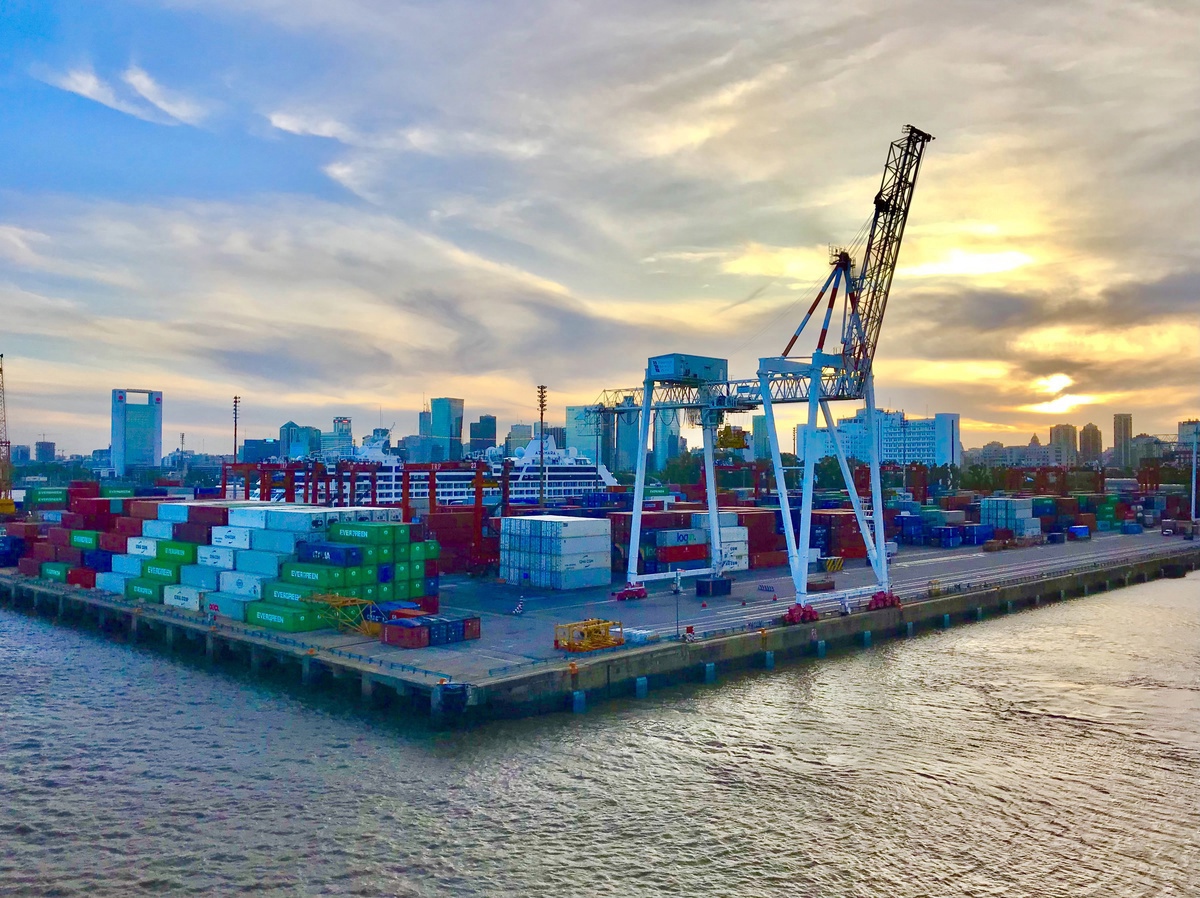
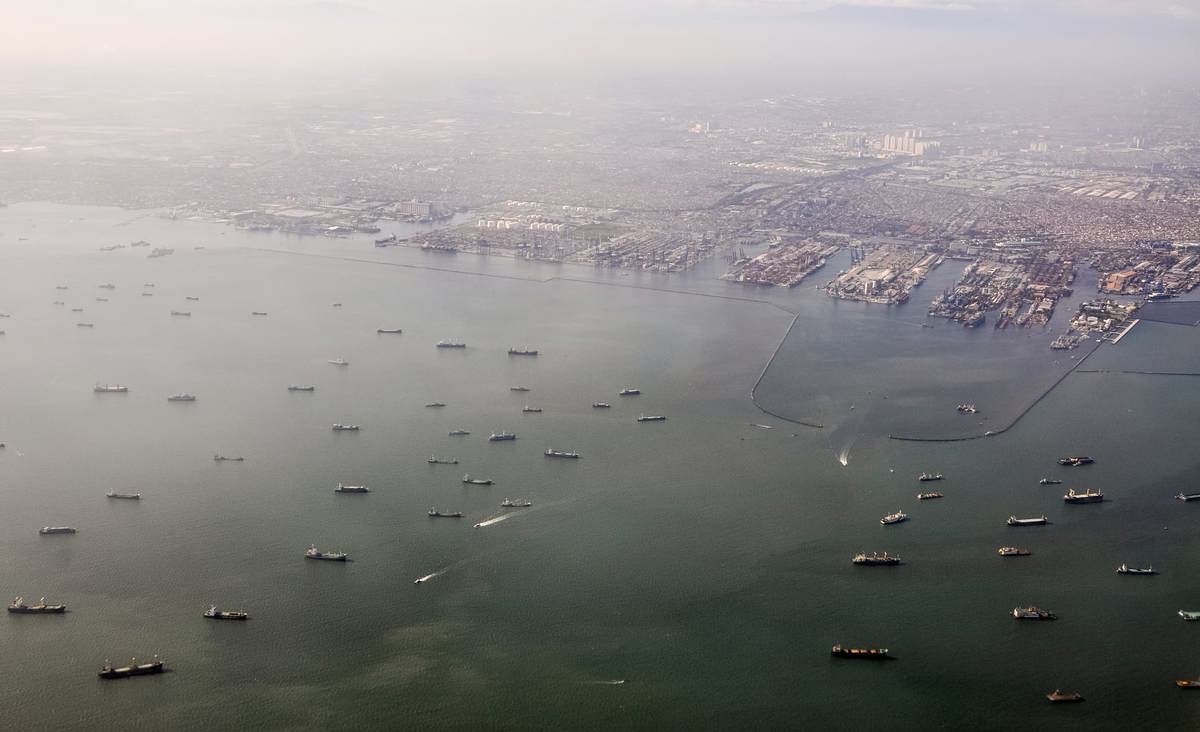 IMAGE: Tanjung Priok Port, Jakarta, Indonesia, photographed from a commercial plane. Getty Images
Changes on the day to 17.00 SGT (09.00 GMT) today:
- VLSFO prices up in Fujairah ($1/mt), and down in Zhoushan ($8/mt) and Singapore ($5/mt)
- LSMGO prices up in Singapore and Fujairah ($3/mt), and down in Zhoushan ($23/mt)
- HSFO prices down in Zhoushan ($4/mt), Singapore ($3/mt) and Fujairah ($2/mt)
- B30-VLSFO price up in Singapore ($3/mt)
Zhoushan's VLSFO price has fallen by $8/mt, a steeper decline than in Singapore, while Fujairah's VLSFO price has remained broadly unchanged. Zhoushan's VLSFO price is now at near parity with Singapore but at a $27/mt discount to Fujairah.
Bunker availability in Zhoushan has tightened despite subdued demand. Recommended lead times for VLSFO have extended to 10–15 days, up from 7–12 days last week. Lead times for both LSMGO and HSFO have also increased to 7–10 days from 5–7 days earlier.
Meanwhile, bunkering operations at Zhoushan's outer and inner anchorages have remained suspended since Tuesday morning as Super Typhoon Bavi continues to affect the region, a source said. Operations are expected to resume on 13 July after the typhoon has passed, the source added.
By contrast, Indonesia's bunker market remains well supplied. VLSFO availability is stable across Jakarta, Surabaya, Balikpapan and Cigading, with suppliers typically quoting lead times of around 2–3 days.
Brent
The front-month ICE Brent contract has fallen by $1.34/bbl on the day, to trade at $76.20/bbl at 17.00 SGT (09.00 GMT) today.
Upward pressure:
Oil prices have gained upward support as renewed fighting between the US and Iran has revived concerns over potential supply disruptions from the Middle East following a slowdown in shipping through the Strait of Hormuz.
Iranian armed forces launched attacks on US military infrastructure in Gulf states on Thursday in response to US strikes on Iran's southern coastal and eastern provinces, further straining a three-week-old ceasefire. Separately, Iranian media reported multiple explosions across southern Iran, including in Bushehr, home to one of the country's nuclear power plants, Reuters reported.
The renewed hostilities have delayed the full reopening of the Strait of Hormuz.
“The latest escalation in US-Iran military tensions this week raises new risks,” ING Bank commodity strategist Warren Patterson said.
Downward pressure:
Despite the renewed tensions, expectations that the US and Iran could return to diplomatic negotiations have weighed on market sentiment.
"Despite the US ramping up attacks on military sites in Iran, the market drew some reassurance from the Trump administration’s decision to avoid targeting Iranian energy infrastructure,” ANZ Bank senior commodity strategist Daniel Hynes said.
“US said to continue ‘technical talks’ with Iran despite trading air strikes,” VANDA Insights founder Vandana Hari commented.
Additionally, the US Energy Information Administration (EIA) reported a 3-million-bbl increase in commercial crude oil inventories to 411.4 million bbls in the week ending 3 July.
Brent futures came under further downward pressure after the Organization of the Petroleum Exporting Countries and its allies (OPEC+) agreed to raise oil production again in August. Seven members of the producer group will implement a combined production adjustment of 188,000 b/d next month.
By Tuhin Roy
Please get in touch with comments or additional info to news@engine.online