East of Suez Market Update 11 Feb
Prices in East of Suez ports have moved in mixed directions, and VLSFO and HSFO supply is tight in Singapore.
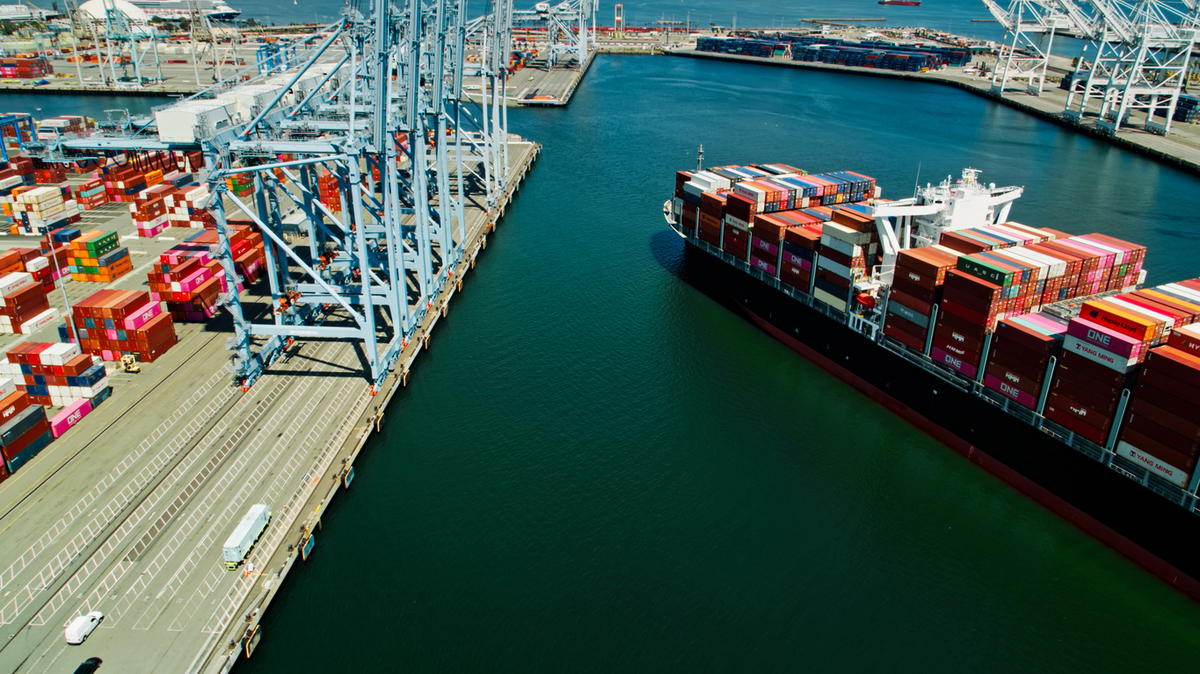
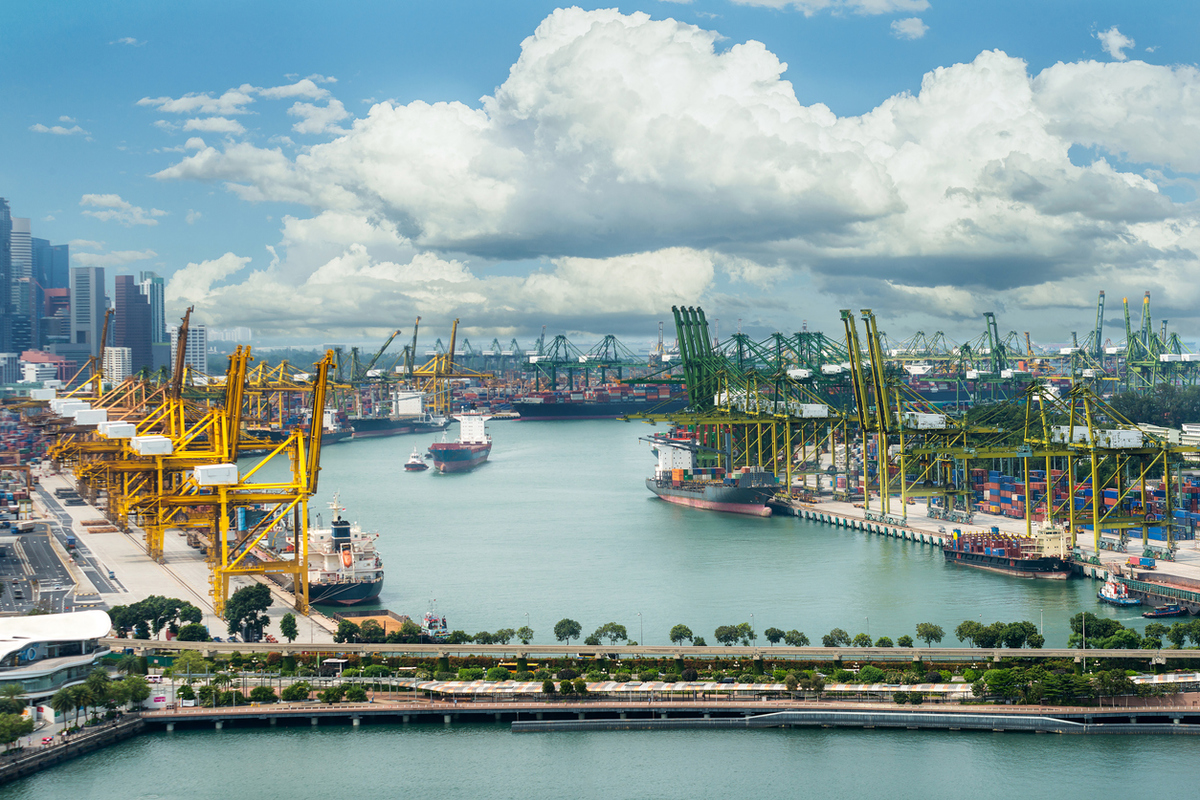 IMAGE: Cargo terminal at the Port of Singapore. Getty Images
Changes on the day to 17.00 SGT (09.00 GMT) today:
- VLSFO prices up in Singapore ($5/mt), unchanged in Fujairah, and down in Zhoushan ($20/mt)
- LSMGO prices up in Singapore ($4/mt), and down in Zhoushan ($16/mt) and Fujairah ($7/mt)
- HSFO prices up in Singapore and Fujairah ($3/mt), and down in Zhoushan ($2/mt)
- B30-VLSFO prices up in Singapore ($3/mt) and Fujairah ($2/mt)
Singapore’s VLSFO price has increased by $5/mt in the past day, while Zhoushan recorded a sharp decline and Fujairah remained largely unchanged. Despite the gain, Singapore’s VLSFO continues to trade at a discount of $23/mt to Zhoushan and at a premium of $11/mt over Fujairah.
In Singapore, VLSFO supply remains tight, with recommended lead times of 9–13 days, slightly lower than last week’s 10–18 days. HSFO availability is also constrained, with advised lead times of 7–18 days. LSMGO supply is more variable, with lead times ranging from 2–10 days, compared with 3–5 days last week.
The persistent tightness reflects a combination of factors, including uneven lead times among suppliers, elevated premiums for prompt stems, tight loading schedules and advance procurement ahead of the Chinese New Year holidays, which has shifted demand forward.
At Port Klang, VLSFO and LSMGO are generally well supplied, particularly for smaller prompt stems, while HSFO availability remains tight and more difficult to secure.
Brent
The front-month ICE Brent contract has gained by $0.20/bbl on the day, to trade at $69.60/bbl at 17.00 SGT (09.00 GMT) today.
Upward pressure:
Brent futures have found support amid rising geopolitical risk, as talks between the US and Iran remain fragile. Negotiations are ongoing but uncertain, sustaining a risk premium, with continued sanctions pressure and tariff threats linked to Iranian trade, according to a Reuters report.
“Oil prices continue to hold firm… as persistent uncertainty over how talks between the US and Iran evolve,” two analysts from ING Bank said.
Additional support has come from signs of a narrowing supply surplus, underpinned by improved demand from India.
Indian refiners are reportedly steering clear of Russian crude purchases to help secure a trade agreement with the US, while increasing imports from the Middle East and West Africa, Reuters reported.
Downward pressure:
Brent futures have come under some downward pressure after the American Petroleum Institute (API) reported a sharp increase in US crude inventories.
US crude oil stocks rose by 13.4 million bbls in the week ending 6 February, according to API estimates cited by Trading Economics. An increase in crude inventories typically points to softer demand and can weigh on oil prices.
“The American Petroleum Institute’s stocks data for the week to February 6 was bearish,” said Vandana Hari, founder of VANDA Insights.
By Tuhin Roy
Please get in touch with comments or additional info to news@engine.online