East of Suez Market Update 20 May
Prices across East of Suez ports have tracked Brent’s decline, and VLSFO availability in Singapore remains tight.
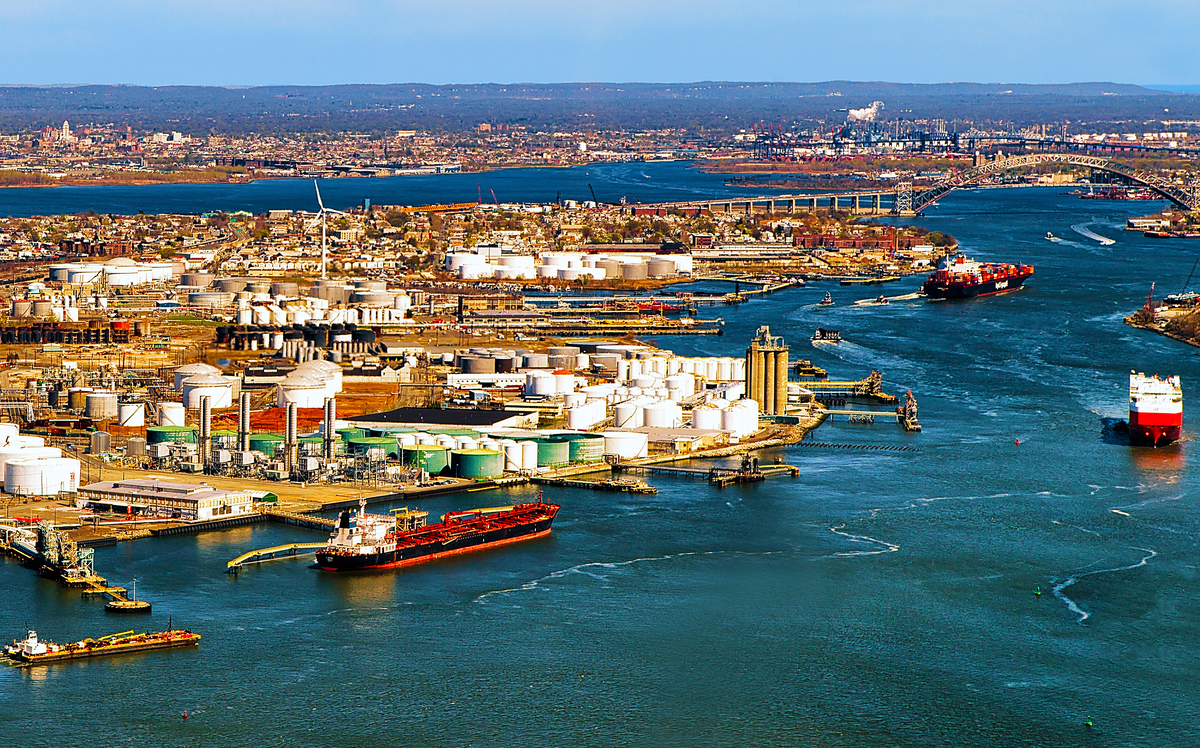
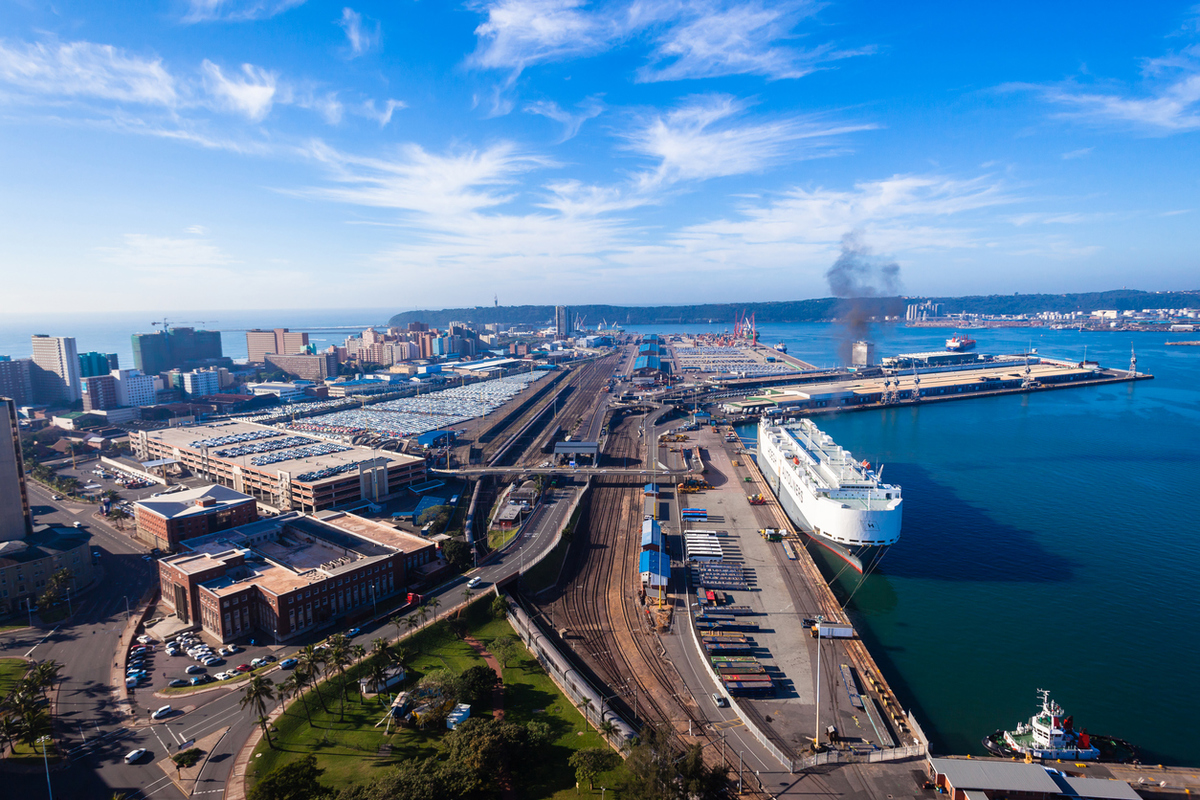
 IMAGE: Asyad Terminal in Duqm. Asyad Terminal
Changes on the day to 17.00 SGT (09.00 GMT) today:
- VLSFO prices down in Singapore ($19/mt), Fujairah and Zhoushan ($15/mt)
- LSMGO prices down in Zhoushan ($27/mt), Fujairah ($25/mt) and Singapore ($12/mt)
- HSFO prices down in Singapore ($19/mt), Zhoushan ($16/mt) and Fujairah ($12/mt)
- B30-VLSFO price down in Singapore ($22/mt)
VLSFO prices across the three major Asian bunker hubs have fallen by $15-19/mt, with Singapore recording the steepest decline. Singapore’s VLSFO price is currently at a substantial discount of $81/mt to Fujairah, while holding a slight premium of $8/mt over Zhoushan.
In Singapore, VLSFO availability continues to be tight, though delivery lead times have eased slightly to 10-14 days, from 12-14 days last week.
Meanwhile, VLSFO supply in Malaysia’s Port Klang remains relatively stable, especially for smaller prompt volumes.
LSMGO prices have declined across Singapore, Fujairah and Zhoushan over the past day. Fujairah’s LSMGO price continues to command significant premiums of $322/mt over Singapore and $273/mt over Zhoushan.
In Fujairah, bunker availability remains tight for now, with all offers subject to firm enquiry. Demand has dropped sharply, and many vessels continue to wait for transit through the Strait of Hormuz.
By contrast, prompt LSMGO availability remains strong across Omani ports including Muscat, Salalah, Sohar and Duqm, where one supplier has recommended lead times of around 1-2 days.
Brent
The front-month ICE Brent contract has lost by $1.65/bbl on the day, to trade at $108.74/bbl at 17.00 SGT (09.00 GMT) today.
Upward pressure:
US crude oil inventories declined by a 9.1 million bbls in the week ending 15 May, according to the latest US inventory report by the American Petroleum Institute (API). The decline exceeded market expectations of a 3.4 million-bbl draw.
A decline in US crude stocks could indicate improved demand for oil and can put some upward pressure on Brent's price.
“We’re [the US] exporting record volumes of crude (hitting over 5-6 million barrels per day in recent weeks as global buyers flock to U.S. barrels), which is tightening domestic balances,” remarked Price Futures Group’s senior market analyst Phil Flynn.
Downward pressure:
Brent crude’s price has edged lower as market participants balance the risk of renewed US strikes on Iran against hopes for a potential peace agreement, according to analysts.
The North Atlantic Treaty Organization (NATO) is discussing ways to helps commercial ships pass through the Strait of Hormuz, if the waterway is not reopened by early July, Bloomberg reports.
Meanwhile, US Vice President JD Vance said talks with Tehran have “made a lot of progress” and neither side wants to see renewed military actions, Reuters reports.
“Oil no longer trades purely on barrels. It trades on confidence that the shipping lanes of global capitalism remain open for business,” SPI Asset Management managing partner Stephen Innes said.
By Tuhin Roy and Aparupa Mazumder
Please get in touch with comments or additional info to news@engine.online