East of Suez Market Update 26 Jan
Prices in East of Suez ports have moved up, and VLSFO and HSFO availability is tight in Zhoushan.
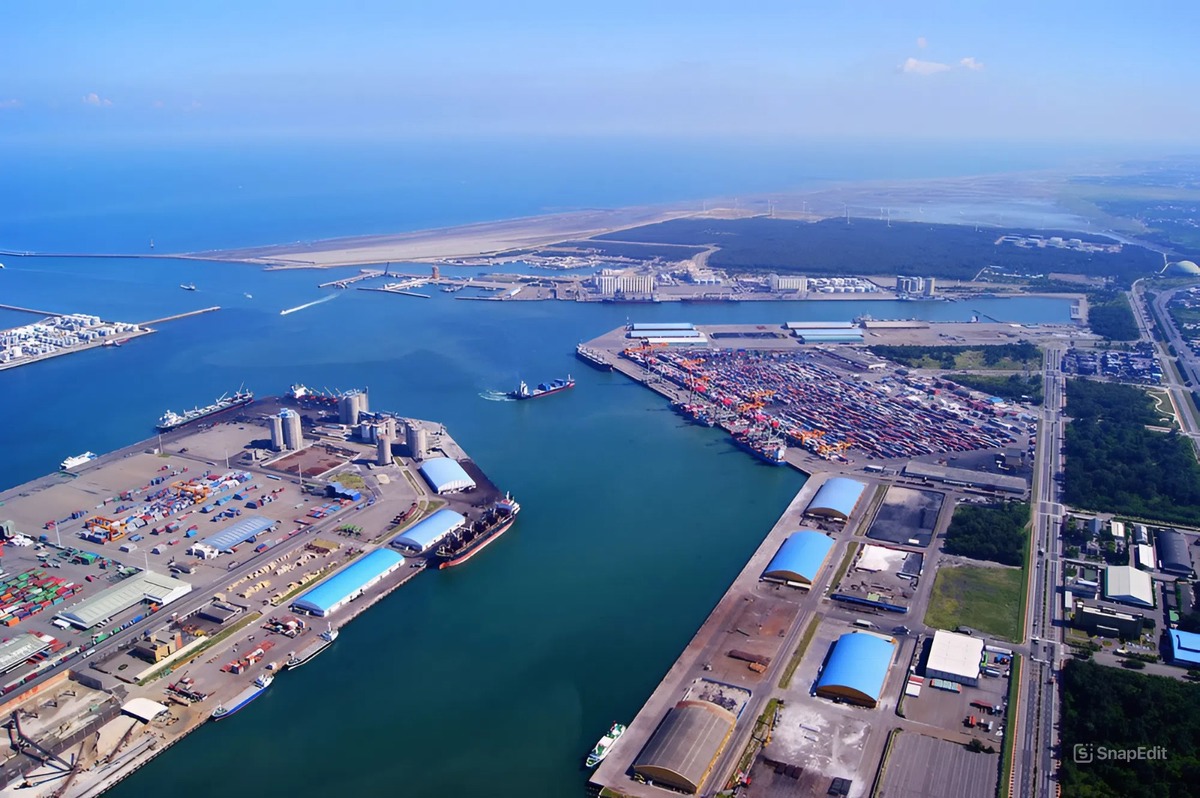 IMAGE: An aerial view of Taichung Port. Taiwan Free Trade Zone 1
Changes on the day from Friday, to 17.00 SGT (09.00 GMT) today:
- VLSFO prices up in Zhoushan ($15/mt), Singapore ($13/mt) and Fujairah ($3/mt)
- LSMGO prices up in Zhoushan ($24/mt), Fujairah ($10/mt) and Singapore ($5/mt)
- HSFO prices up in Zhoushan ($15/mt), Fujairah ($12/mt) and Singapore ($8/mt)
- B30-VLSFO prices up in Fujairah ($20/mt) and Singapore ($16/mt)
VLSFO prices across the three major Asian bunker ports have climbed by a broad $3–15/mt over the weekend. Zhoushan’s VLSFO price is trading at notable premiums of $33/mt over Fujairah and $12/mt over Singapore.
Zhoushan’s LSMGO price has also risen by $24/mt, the sharpest increase among the three ports. Despite this rise, Zhoushan’s LSMGO remains at a discount of $53/mt to Fujairah, while holding a premium of $50/mt over Singapore.
VLSFO availability in Zhoushan continues to be tight amid supply constraints, prompting several suppliers to recommend lead times extending into early February. HSFO lead times have also lengthened, rising from around 5–6 days last week to early February now. In contrast, LSMGO lead times in Zhoushan have narrowed from 5–7 days last week to 3–5 days currently.
Across Taiwan, lead times for both VLSFO and LSMGO remain largely unchanged. Deliveries at Keelung, Taichung and Hualien continue to require around two days of lead time, in line with last week, while slightly longer lead times of about three days are still recommended at Kaohsiung.
Brent
The front-month ICE Brent contract has risen by $1.47/bbl on the day from Friday, to trade at $66.12/bbl at 17.00 SGT (09.00 GMT) today.
Upward pressure:
Oil prices have found fresh support as harsh winter weather has disrupted production across key US crude-producing regions. Around 250,000 b/d of output has been knocked offline due to severe cold, with declines reported in the Bakken field in Oklahoma and parts of Texas, Reuters reported citing JPMorgan analysts.
“Colder weather will also boost demand prospects for heating fuels, as reflected in the strength in heating oil cracks,” analysts from ING Bank said.
Beyond weather-related factors, market participants remain alert to geopolitical risks, as tensions between the US and Iran continue to unsettle sentiment.
“Further support for the oil market will be driven by lingering geopolitical risks. The US is sending ships to the Middle East, raising concerns about an escalation with Iran,” ING Bank’s analysts commented.
Downward pressure:
The total number of rigs drilling for crude oil and natural gas in the US rose by one to 544 units last week, Baker Hughes reported.
The US oil rig count is widely viewed as an indicator of future oil production, as it signals the level of current and expected drilling activity in the shale sector.
In an already oversupplied market, any indication of higher future output can weigh on Brent prices.
By Tuhin Roy
Please get in touch with comments or additional info to news@engine.online