East of Suez Market Update 3 Mar
Prices in East of Suez ports have risen for a second consecutive day, while bunker supply in Singapore remains largely unaffected by the Middle East crisis.
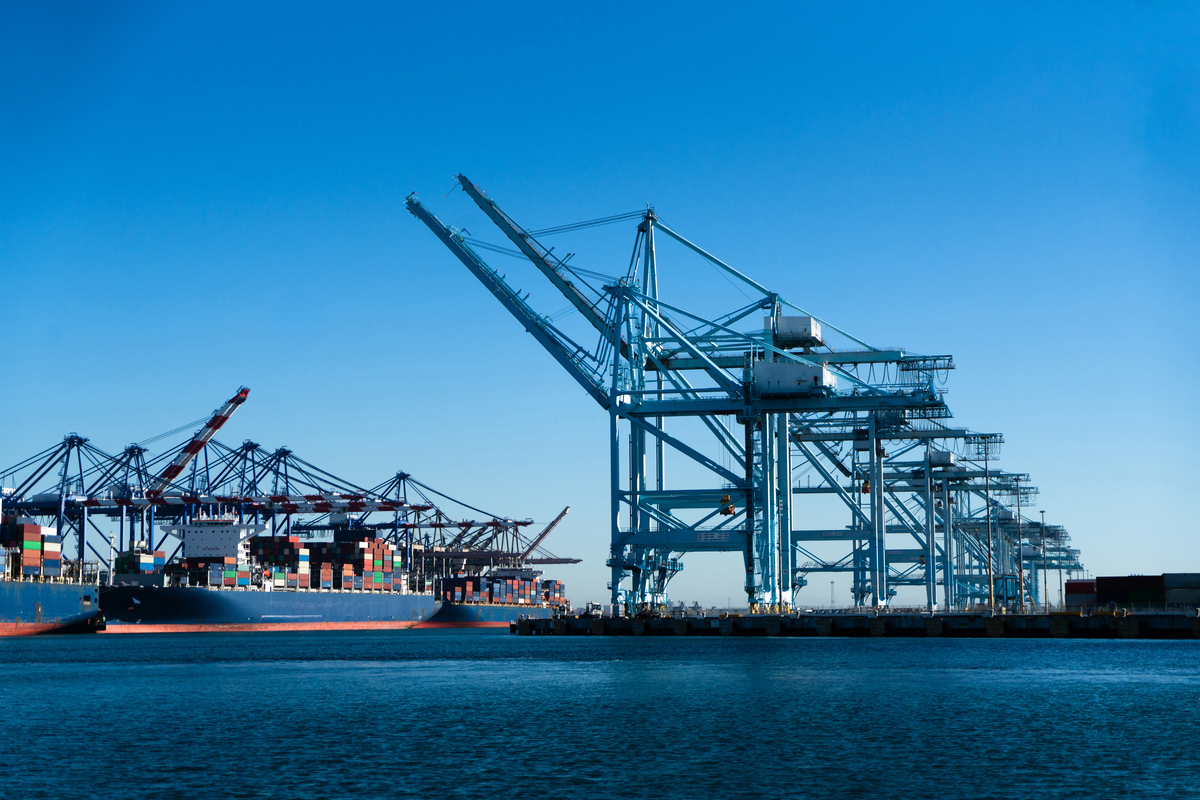
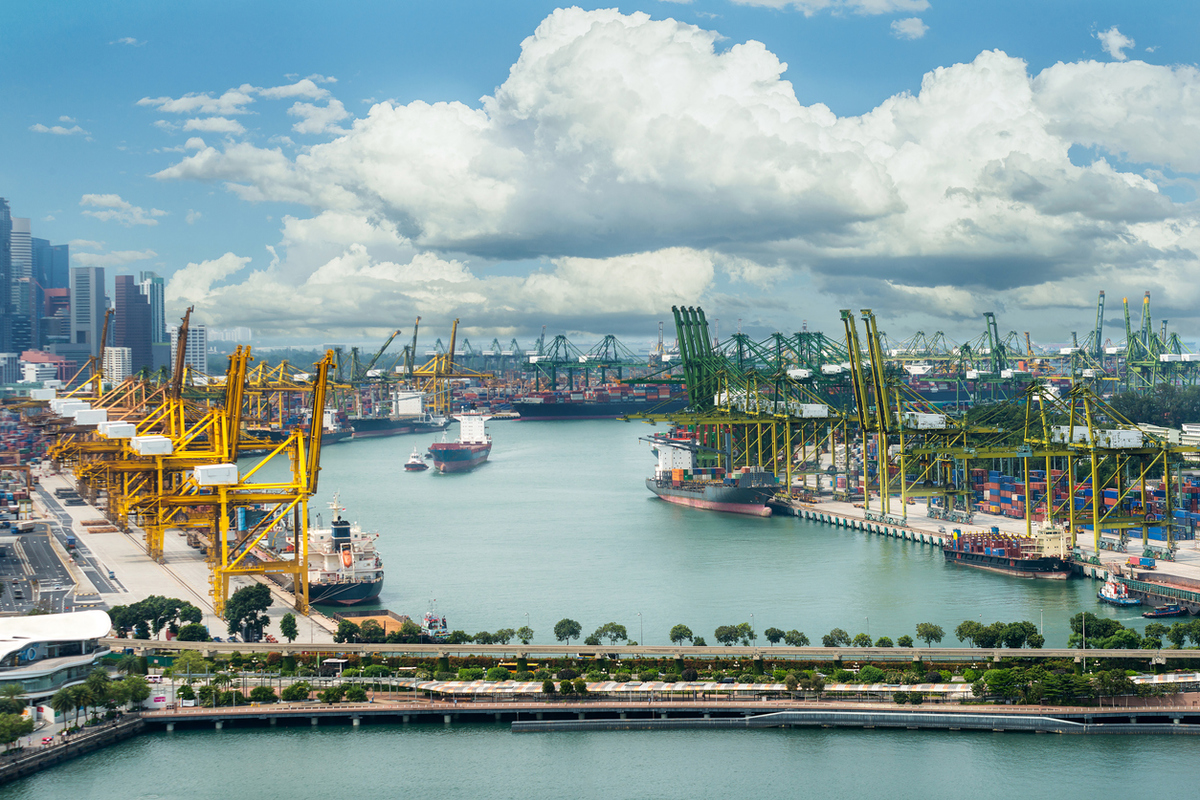 IMAGE: Cargo terminal at the Port of Singapore. Getty Images
Changes on the day to 17.00 SGT (09.00 GMT) today:
- VLSFO prices up in Fujairah ($32/mt), Singapore ($29/mt) and Zhoushan ($25/mt)
- LSMGO prices up in Zhoushan ($47/mt), Fujairah ($12/mt) and Singapore ($4/mt)
- HSFO prices up in Singapore ($32/mt), Zhoushan ($26/mt) and Fujairah ($5/mt)
- B30-VLSFO prices up in Fujairah ($12/mt) and Singapore ($11/mt)
VLSFO prices across the three main Asian bunker hubs have risen by $25–32/mt over the past day. In Singapore, VLSFO is now trading near parity with Fujairah and Zhoushan.
Over the weekend, US and Israeli forces carried out a coordinated strike on Iran that killed the Islamic Republic’s Supreme Leader Ayatollah Ali Khamenei. Iran responded with direct attacks on Gulf countries, including the UAE and Saudi Arabia, and disrupted vessel movements through the Strait of Hormuz.
Although physical supply in Singapore remains stable, escalating geopolitical tensions in the Middle East have triggered a sharp rise in Brent crude, lifting bunker prices.
Lead times in Singapore are largely unchanged. VLSFO requires around 7–11 days, compared with 6–10 days last week. Lead times of 4–11 days are recommended for LSMGO, slightly wider than the previous 4–9 day range. HSFO lead times stand at 8–11 days, versus 6–12 days a week earlier.
Brent
The front-month ICE Brent contract has risen by $2.05/bbl on the day, to trade at $81.14/bbl at 17.00 SGT (09.00 GMT) today.
Upward pressure:
Oil prices have risen for a second straight session as the expanding US–Israeli confrontation with Iran and mounting threats to shipping through the Strait of Hormuz have intensified concerns over potential supply disruptions from the Middle East.
On Monday, the US and Israeli air campaign against Iran broadened, with Israel striking targets in Lebanon and Iran retaliating with attacks on energy infrastructure in Gulf states and on tankers operating in the Strait of Hormuz. Both tankers and container vessels are steering clear of the passage after insurers withdrew coverage for ships transiting the corridor, according to Reuters.
“Crude oil prices surged as the war in the Middle East led to immediate disruptions to oil supplies… Traffic through the Strait of Hormuz has come to a halt as insurance firms revoke policies on vessels transiting the waterway,” said Daniel Hynes, senior commodity strategist at ANZ Bank.
“While there are concerns about oil flows through the Strait of Hormuz, a greater risk to the market would be Iran targeting additional energy infrastructure in the region. This could lead to more prolonged outages,” two analysts from ING Bank added.
Downward pressure:
Brent crude is not facing any notable downside pressure today, but traders are watching closely for the upcoming US crude inventory report.
Last week, the US Energy Information Administration (EIA) recorded a sharp build of 16 million bbls in US crude stocks.
An increase in inventories typically signals softer demand, which can weigh on Brent futures.
Meanwhile, eight members of OPEC+ have agreed to raise collective oil production by 206,000 b/d in April.
The planned output hike could add further downward pressure on Brent, as it heightens concerns about a possible oversupply in the market.
By Tuhin Roy
Please get in touch with comments or additional info to news@engine.online