East of Suez Market Update 4 June
Most prices in East of Suez ports have moved down, and availability across all grades is tight in Fujairah.
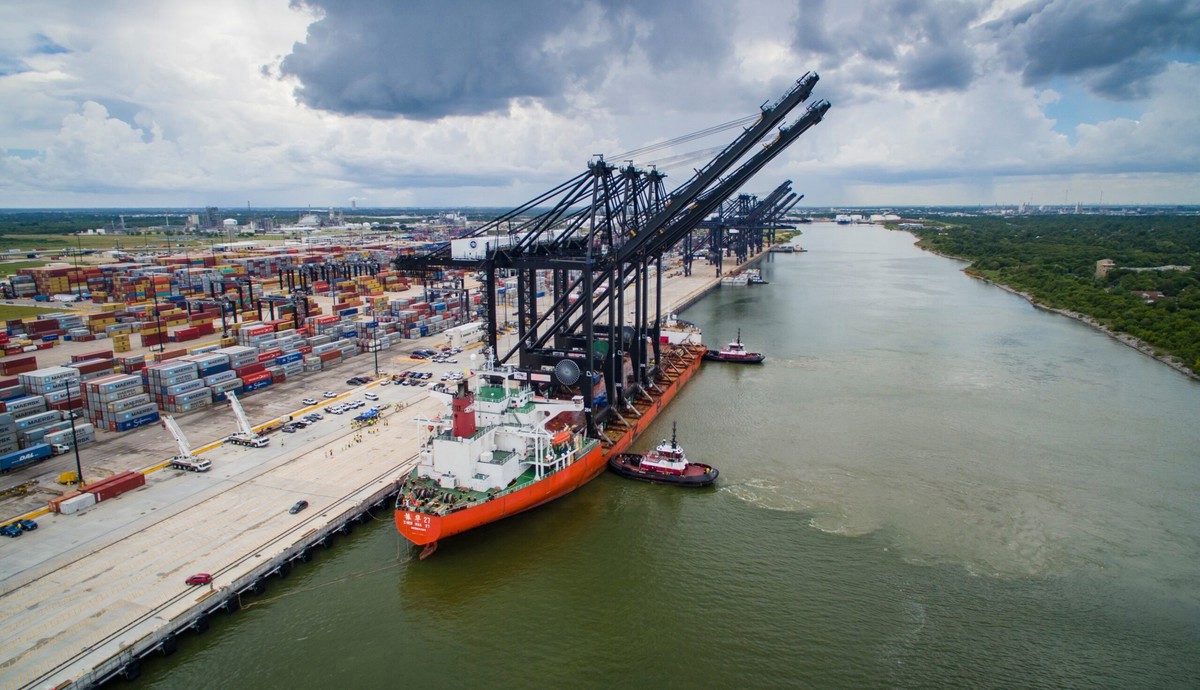
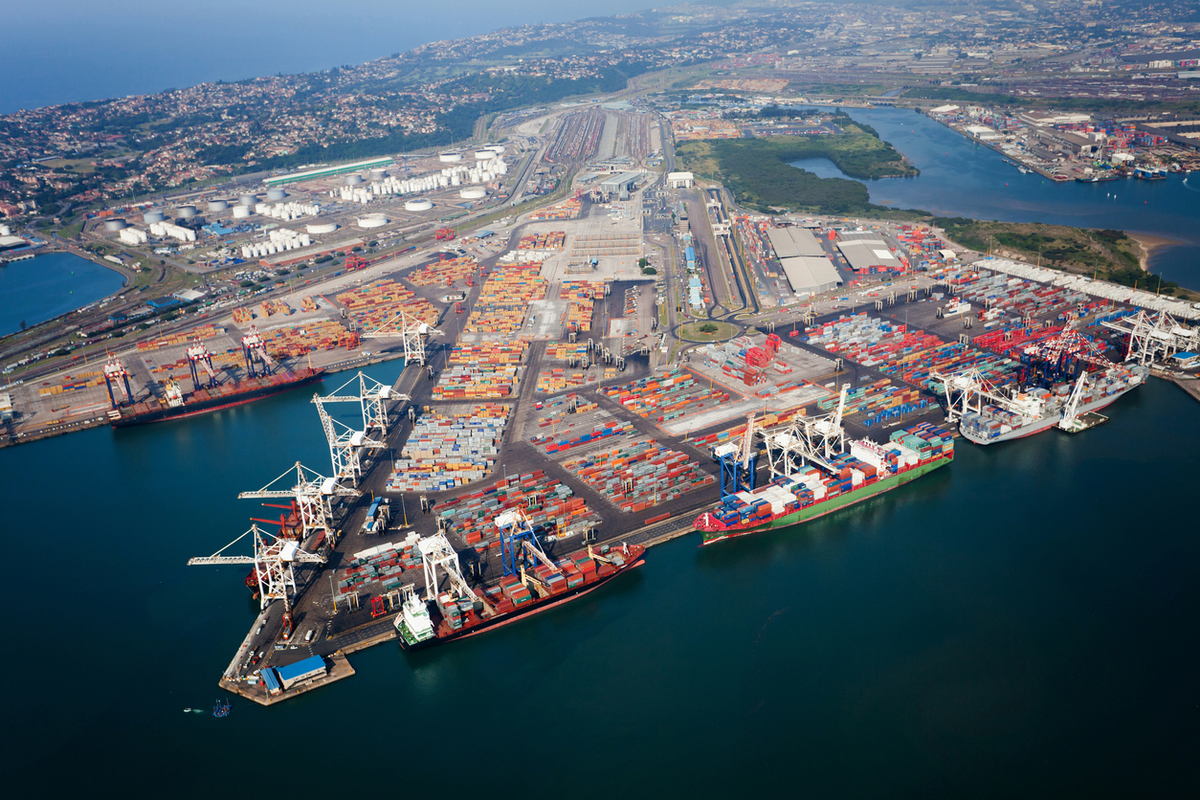
 IMAGE: Aerial view of Saudi Arabian port of Jeddah with cargo ships and dry docks. Getty Images
Changes on the day to 17.00 SGT (09.00 GMT) today:
- VLSFO prices up in Fujairah ($15/mt), and down in Zhoushan ($25/mt) and Singapore ($18/mt)
- LSMGO prices down in Fujairah ($26/mt), Singapore and Zhoushan ($14/mt)
- HSFO prices down in Zhoushan ($28/mt), Fujairah ($16/mt) and Singapore ($5/mt)
- B30-VLSFO price down in Singapore ($42/mt)
Fujairah’s VLSFO price has increased by $15/mt over the past day, while prices in Zhoushan and Singapore have moved lower. As a result, Fujairah’s VLSFO is now priced at premiums of $266/mt and $254/mt compared with Zhoushan and Singapore, respectively.
In contrast, Fujairah’s HSFO price has weakened, pushing the port’s Hi5 spread higher from $345/mt on Wednesday to $376/mt today. The spread remains substantially above the corresponding levels in Singapore ($160/mt) and Zhoushan ($122/mt).
Bunker fuel availability in Fujairah has tightened considerably, with only a limited number of suppliers actively offering fuel and many responding to enquiries on a selective basis, according to a market source.
Supply constraints are particularly evident in the VLSFO and LSMGO segments, where only one supplier is currently reported to have stocks available. Most quotations for these grades are being issued only against firm enquiries. HSFO availability is relatively less constrained, with two suppliers able to supply the grade.
Elsewhere in the region, VLSFO supply remains constrained in Jeddah, while LSMGO availability is comparatively stable.
Brent
The front-month ICE Brent contract has declined by $1.90/bbl on the day, to trade at $96.58/bbl at 17.00 SGT (09.00 GMT) today.
Upward pressure:
Brent’s price has felt some upward pressure after the US Energy Information Administration (EIA) reported a sizeable decline in US crude stocks.
Commercial US crude oil inventories decreased by about 8 million bbls to 434 million bbls in the week ending 29 May, according to data from the EIA.
“While inventories do fall seasonally as refiners ramp up operating rates, the pace of decline has been faster than usual,” two analysts from ING Bank noted.
The American Petroleum Institute (API) also reported a larger-than-expected draw of 6.8 million bbls a day earlier.
A decline in US crude stocks could indicate higher demand for oil and can put some upward pressure on Brent's price.
Downward pressure:
Hope of a lasting truce between Israel and Lebanon, following the US-brokered ceasefire agreement, has put downward pressure on Brent’s price today.
Under the agreement, both sides will immediately cease all hostilities. This could help achieve a broader deal with Iran, ultimately reopening the Strait of Hormuz, market analysts said.
“News that Israel and Lebanon agreed on a ceasefire could potentially open the door for talks to advance,” ING Bank’s analysts said.
By Tuhin Roy and Aparupa Mazumder
Please get in touch with comments or additional info to news@engine.online