East of Suez Market Update 9 June
Most prices in East of Suez ports have moved down, and VLSFO availability is tight in Zhoushan.
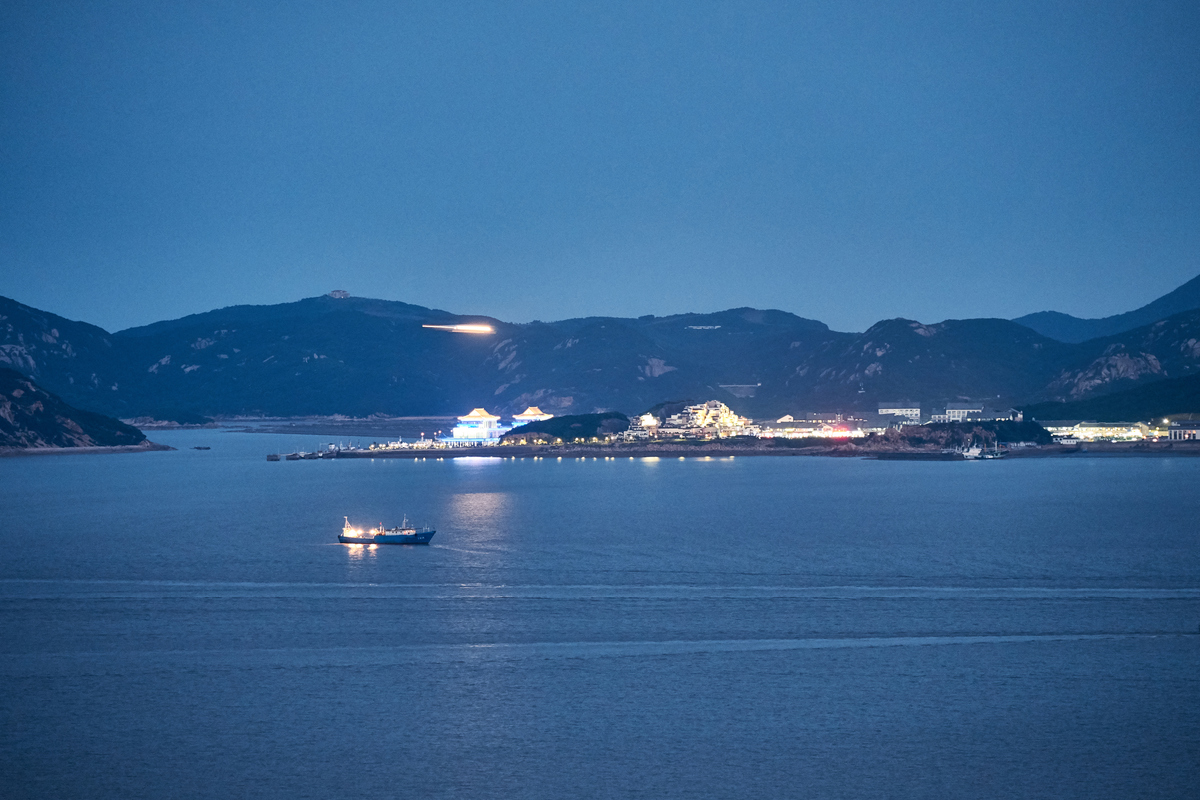
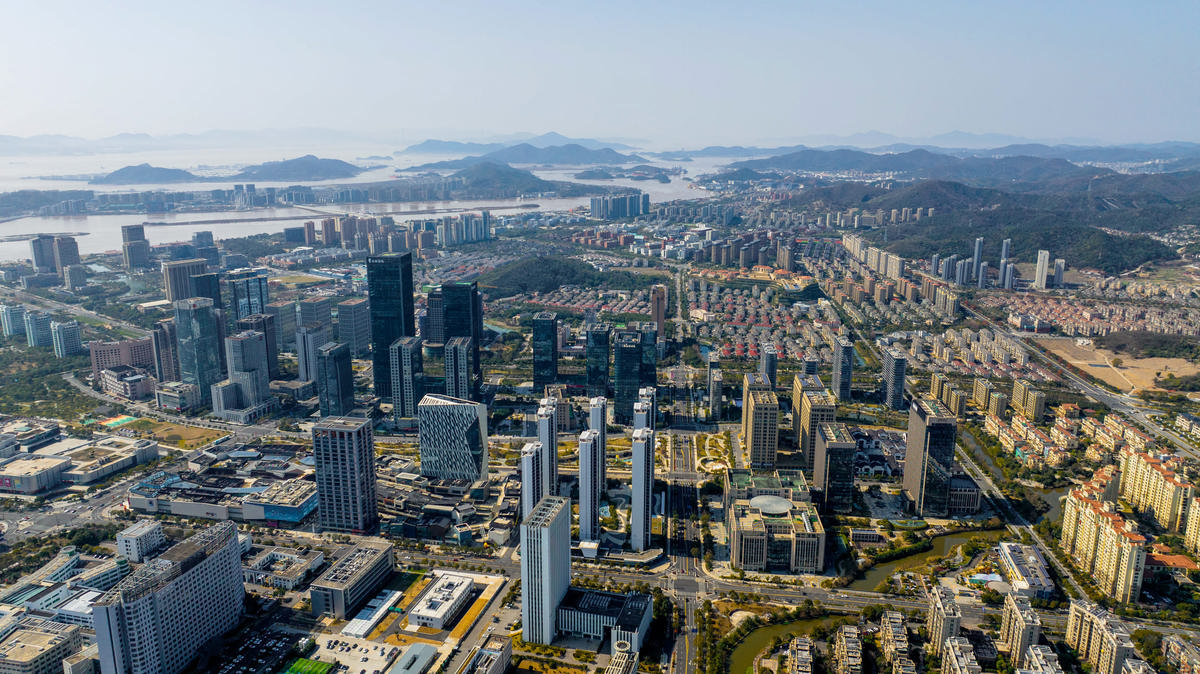 IMAGE: Aerial view of Zhoushan, Zhejiang, China. Getty Images
Changes on the day to 17.00 SGT (09.00 GMT) today:
- VLSFO prices up in Fujairah ($25/mt), and down in Zhoushan ($44/mt) and Singapore ($34/mt)
- LSMGO prices down in Fujairah ($117/mt), Singapore ($56/mt) and Zhoushan ($44/mt)
- HSFO prices down in Zhoushan ($34/mt), Singapore ($20/mt) and Fujairah ($14/mt)
- B30-VLSFO price down in Singapore ($11/mt)
Fujairah’s VLSFO price has climbed by $25/mt over the past day, while prices in Zhoushan and Singapore have moved lower. As a result, Fujairah’s VLSFO is now priced at premiums of $440/mt to Singapore and $82/mt to Zhoushan.
In the HSFO segment, Zhoushan has recorded the sharpest decline among the three major Asian bunker hubs, with its benchmark price falling by $34/mt. Despite the drop, Zhoushan’s HSFO continues to trade at a premium of $21/mt to Singapore, while remaining at a discount of $20/mt to Fujairah.
In Zhoushan, VLSFO bunker availability remains constrained even amid weak demand. Recommended lead times for the grade remain unchanged at 7–10 days. Supply of LSMGO and HSFO has improved, with lead times shortening to 3–5 days from 4–7 days reported a week earlier.
Meanwhile, Hong Kong’s bunker market continues to show stable supply conditions, with lead times for all fuel grades holding at approximately seven days, largely unchanged in recent weeks.
Brent
The front-month ICE Brent contract has declined by $4.79/bbl on the day, to trade at $92.57/bbl at 17.00 SGT (09.00 GMT) today.
Upward pressure:
Brent’s price has continued to trade well above $90/bbl following some escalations in the Middle East.
Yemen-based Houthi militants have warned a “complete and total” blockade of all Israel-linked vessels transiting the Red Sea. The group has also claimed responsibility for airstrikes near Tel Aviv.
The announcement risks choking another export artery beyond the Strait of Hormuz – a conduit that Saudi Arabia has relied heavily on.
The OPEC-producer has been using its East-West Pipeline and Red Sea terminal at Yanbu to export more than 4 million b/d, according to ANZ Bank’s senior commodity strategist Daniel Hynes.
“Iran also warned that it would target oil and gas facilities linked to Israel, the US and their allies in the region if the attacks on its own infrastructure continue,” Hynes said.
Downward pressure:
Brent’s price rally has stalled following reports that Israel has agreed to hold off on attacking Iran for the time being.
Israeli Prime Minister Benjamin Netanyahu said the Israel Defense Forces (IDF) will refrain from attacking Iranian sites “for now,” the BBC reported.
Subsequently, Iranian officials also agreed to stop missile strikes targeting Israel, the report added.
“The relief [in Brent’s price] came because crude did not turn into the full geopolitical bonfire traders had feared,” SPI Asset Management managing partner Stephen Innes said.
Speaking to the Financial Times yesterday, US President Donald Trump insisted that US-Iran diplomatic efforts are proceeding as planned, dismissing concerns that Sunday’s hostilities between Iran and Israel would derail them.
“After surging higher on fresh Middle East escalation, oil was pulled lower by headlines suggesting Iran had ended military operations against Israel,” Innes added.
By Tuhin Roy and Aparupa Mazumder
Please get in touch with comments or additional info to news@engine.online