Europe & Africa Market Update 1 Dec
Bunker prices at major European and African ports have moved in mixed directions over the weekend, while VLSFO is faster to source than HSFO in Durban.
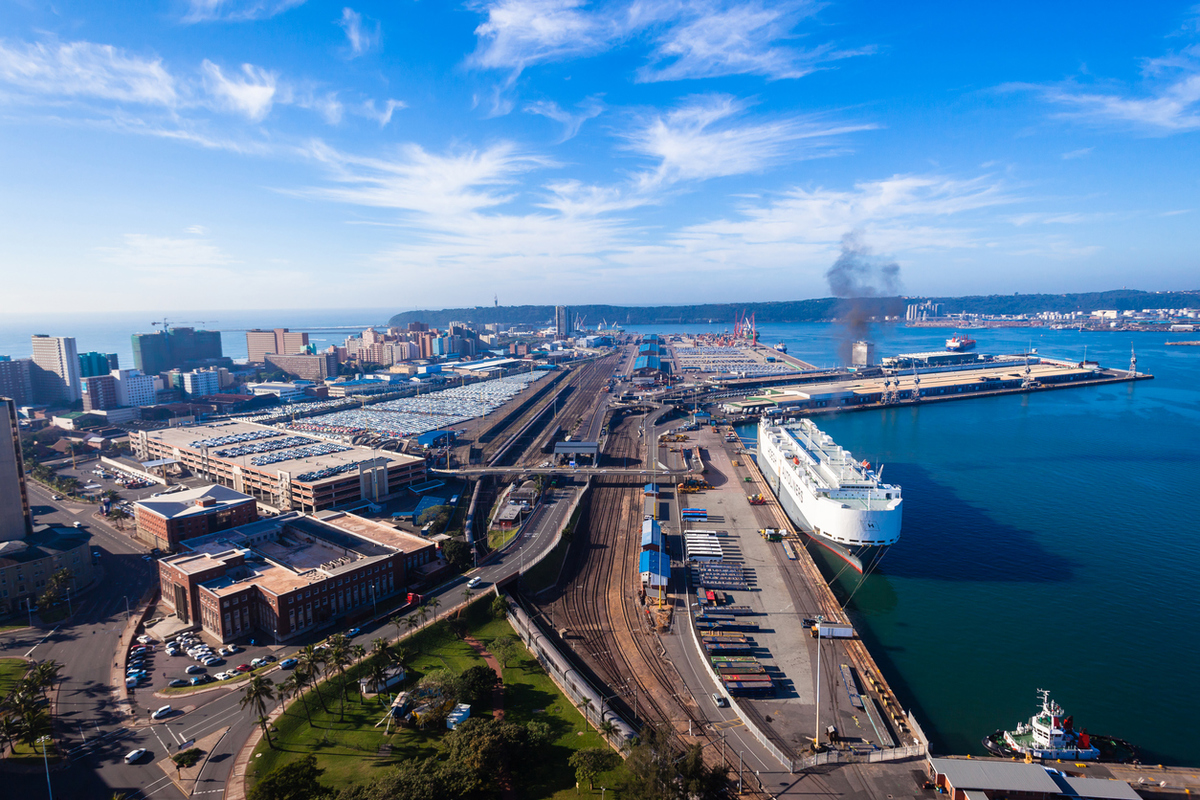 IMAGE: Aerial view of Durban port landscape. Getty Images
Changes on the day from Friday to 09.00 GMT today:
- VLSFO prices up in Rotterdam ($3/mt), unchanged in Gibraltar, and down in Durban ($19/mt)
- LSMGO prices down in Rotterdam ($27/mt) and Gibraltar ($4/mt)
- HSFO prices up in Durban ($1/mt), unchanged in Gibraltar, and down in Rotterdam ($4/mt)
- Rotterdam B30-VLSFO premium over VLSFO down by $16/mt to $260/mt
- Gibraltar B30-VLSFO premium over VLSFO up by $2/mt to $358/mt
Rotterdam’s LSMGO price has fallen the most over the weekend, widening the Dutch port’s discount to Gibraltar by around $23/mt.
Durban’s VLSFO price has slumped, while its HSFO price has recorded a small gain. This has tightened the port’s Hi5 spread by $20/mt to just $24/mt over the weekend.
This means scrubber-equipped ships gain far less from bunkering HSFO in Durban than vessels running on VLSFO.
VLSFO availability remains normal in Durban, with around 2-4 days of lead time sufficient for delivery, while prompt supplies of HSFO are tighter, requiring a notice of about a week, a trader told ENGINE.
Rough south-westerly winds of above 35 knots and waves above 3 metres are forecast at the South African port on 13 December, which may lead to suspension of operations at the port.
Brent
The front-month ICE Brent contract has risen by $0.02/bbl on the day from Friday, to trade at $63.52/bbl at 09.00 GMT.
Upward pressure:
Oil prices have received support as OPEC+ members reaffirmed their plan to hold output steady, and the Caspian Pipeline Consortium suspended exports following a major drone attack.
After its 40th OPEC and non-OPEC ministerial meeting on Sunday, the group said eight OPEC+ members will keep oil production unchanged through the first quarter of 2026 — a move widely expected by market participants, who reacted positively to the announcement.
“The decision highlights some caution by the alliance and still leaves the market facing a significant glut of oil in early 2026,” noted ANZ Bank senior commodity strategist Daniel Hynes.
The Caspian Pipeline Consortium — whose shareholders include Russia, Kazakhstan and the US — reported that it halted operations after a mooring at its Russian Black Sea terminal was damaged by a Ukrainian drone over the weekend, Reuters said. This disruption has added some upward pressure on Brent.
“Oil prices are trading firmer… following additional attacks on Russian energy infrastructure over the weekend,” commented two analysts from ING Bank.
Fresh uncertainty was added on Saturday when US President Donald Trump said “the airspace above and surrounding Venezuela” should be considered closed, according to Reuters, given the country’s role as a major producer.
“Adding support to the market is increasing supply risks for Venezuelan crude oil after President Trump said he's considering closing the airspace over the nation,” two analysts from ING Bank added.
Downward pressure:
The US Energy Information Administration (EIA) reported a strong build in crude inventories, which has curbed some of Brent’s gains today.
Commercial crude stocks rose by 2.8 million bbls to 427 million bbls in the week ending 21 November, according to EIA data.
By Nachiket Tekawade and Tuhin Roy
Please get in touch with comments or additional info to news@engine.online