Europe & Africa Market Update 13 Feb
Bunker fuel prices across European and African ports have fallen, and LSMGO is seeing very high demand in Piraeus.
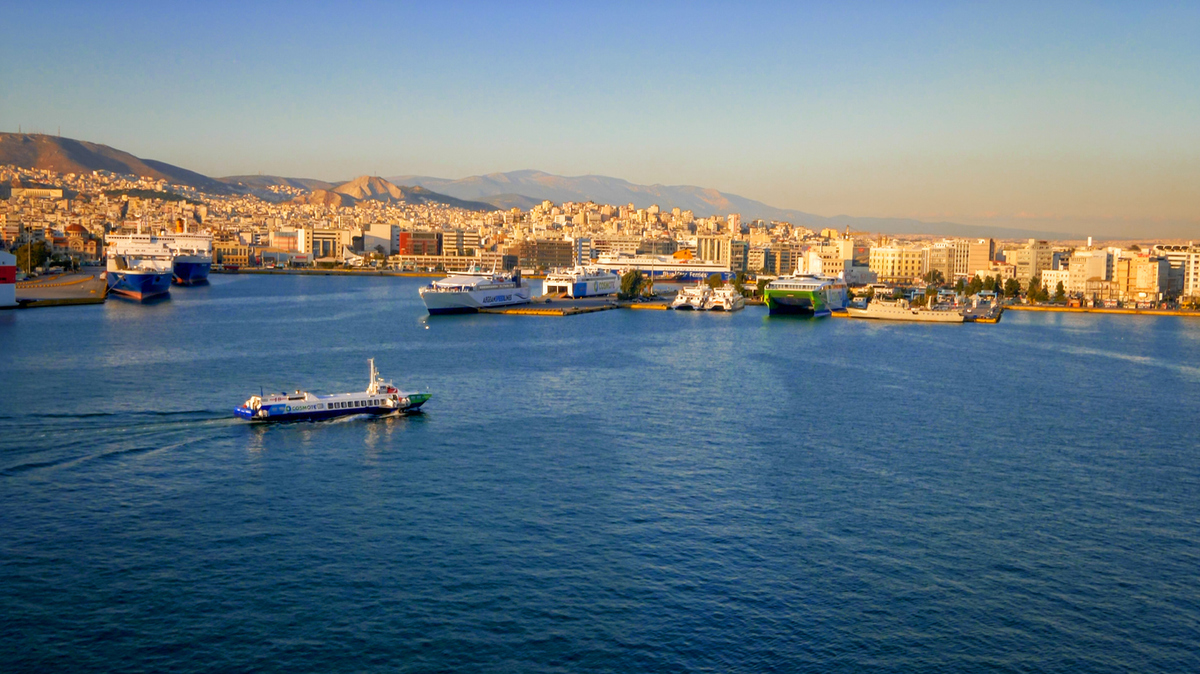 IMAGE: Passenger ships in the Port of Piraeus. Getty Images
Changes on the day to 09.00 GMT today:
- VLSFO prices down in Durban ($22/mt), Rotterdam and Gibraltar ($11/mt)
- LSMGO prices down in Gibraltar ($21/mt) and Rotterdam ($14/mt)
- HSFO prices down in Durban ($17/mt), Rotterdam and Gibraltar ($8/mt)
- B30-VLSFO prices down in Rotterdam ($17/mt) and Gibraltar ($4/mt)
Bunker fuel prices have fallen across the three major ports, in line with the fall in Brent’s price.
Piraeus’ HSFO price has fallen much more steeply compared to Gibraltar's, now offering a $12/mt discount to Gibraltar, as opposed to being almost at par yesterday.
Comparatively, Piraeus’s VLSFO price is around $48/mt costlier than in Gibraltar.
The Hi5 spread at the Greek port is at $101/mt, compared to the $41-$43/mt spreads seen in Gibraltar, Rotterdam and off Malta. This offers a strong incentive to ships for bunkering the lower-priced HSFO there.
LSMGO is priced around $37/mt more in Piraeus, compared to Gibraltar, compared to a $29/mt premium observed yesterday.
VLSFO has limited offer capacity in Piraeus, while LSMGO is seeing excessive demand in Piraeus, a local source said.
Brent
The front-month ICE Brent contract has declined by $2.18/bbl on the day, to trade at $67.59/bbl at 09.00 GMT.
Upward pressure:
In its latest monthly market report, the Saudi Arabia-led OPEC group has maintained its 2026 global oil demand growth forecast at 1.4 million b/d, with total demand expected to average 106.52 million b/d for the year.
ING Bank analysts noted that OPEC’s projections remain above most other demand growth forecasts.
This comparatively stronger outlook has lent some support to Brent futures.
Downward pressure:
Oil prices have declined on receding concerns about US-Iran conflict that could affect supply.
US President Donald Trump commented on Thursday that the US could make a deal with Iran over the next month, according to Reuters.
“Prices fell… after traders pared back the Iran war premium, following comments from US President Donald Trump that significantly lowered the perceived threat of an imminent strike on the Islamic Republic,” said Vandana Hari, founder of VANDA Insights.
“Easing geopolitical tensions also weighed on the market,” ANZ Bank’s senior commodity strategist Daniel Hynes echoed.
The International Energy Agency (IEA) on Thursday projected in its monthly report that this year global oil demand growth will be weaker than previously expected, with overall supply set to exceed demand. This has added further downward pressure on oil prices.
IEA now expects global oil demand to grow by 850,000 b/d in 2026 - about 80,000 b/d lower than its previous estimate.
“Sentiment wasn’t helped by a bearish outlook from the International Energy Agency,” ANZ Bank’s Hynes commented.
Brent crude’s price has also been weighed down after the US Energy Information Administration (EIA) reported a big rise in US crude stocks.
Commercial US crude oil inventories increased by 8.5 million bbls to 428.8 million bbls for the week ending 6 February, according to data from the EIA.
A rise in US crude stocks can indicate lower demand for oil and put some downward pressure on Brent's price.
By Nachiket Tekawade and Tuhin Roy
Please get in touch with comments or additional info to news@engine.online