Europe & Africa Market Update 15 May
Prices across European and African ports have increased over the past day, while loading delays have doubled lead times in the ARA hub.
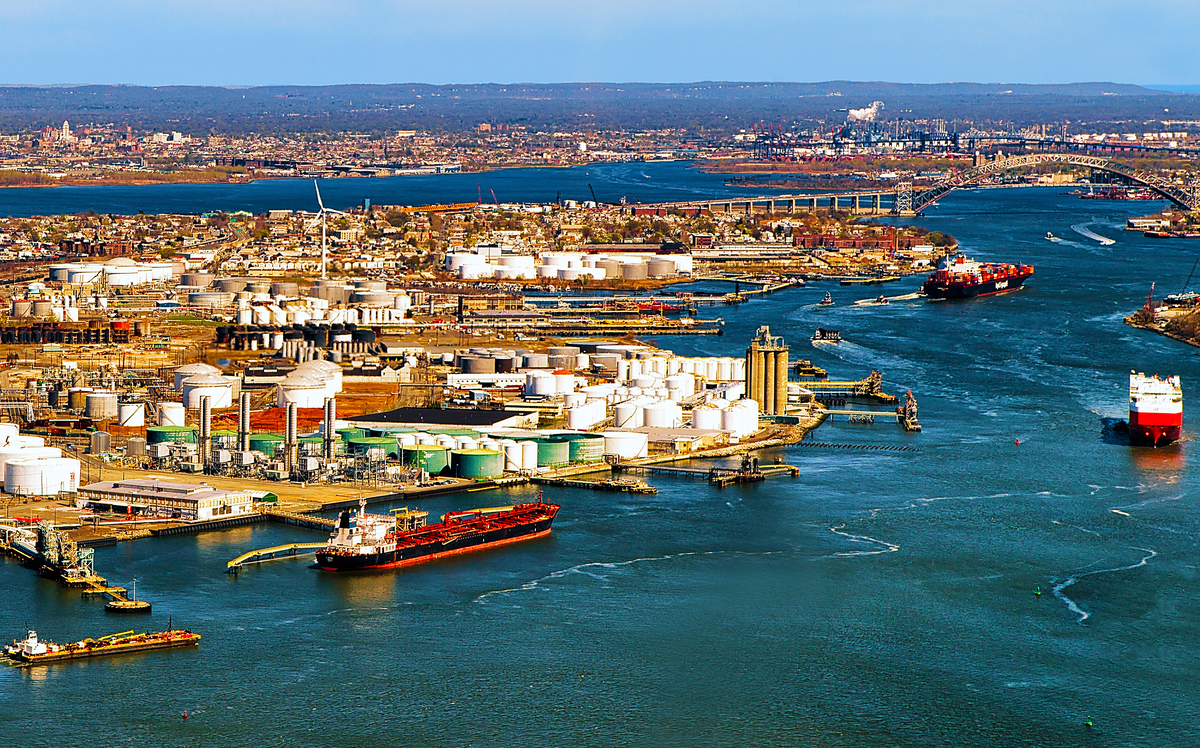
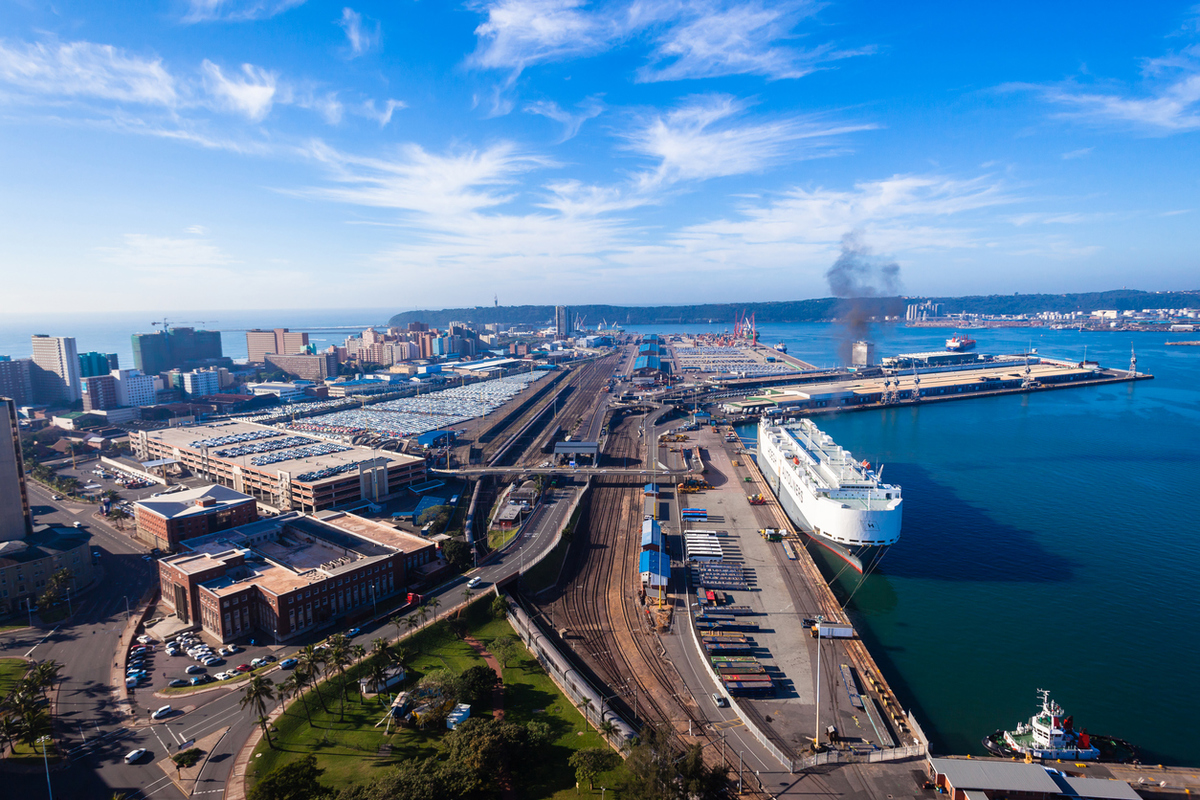
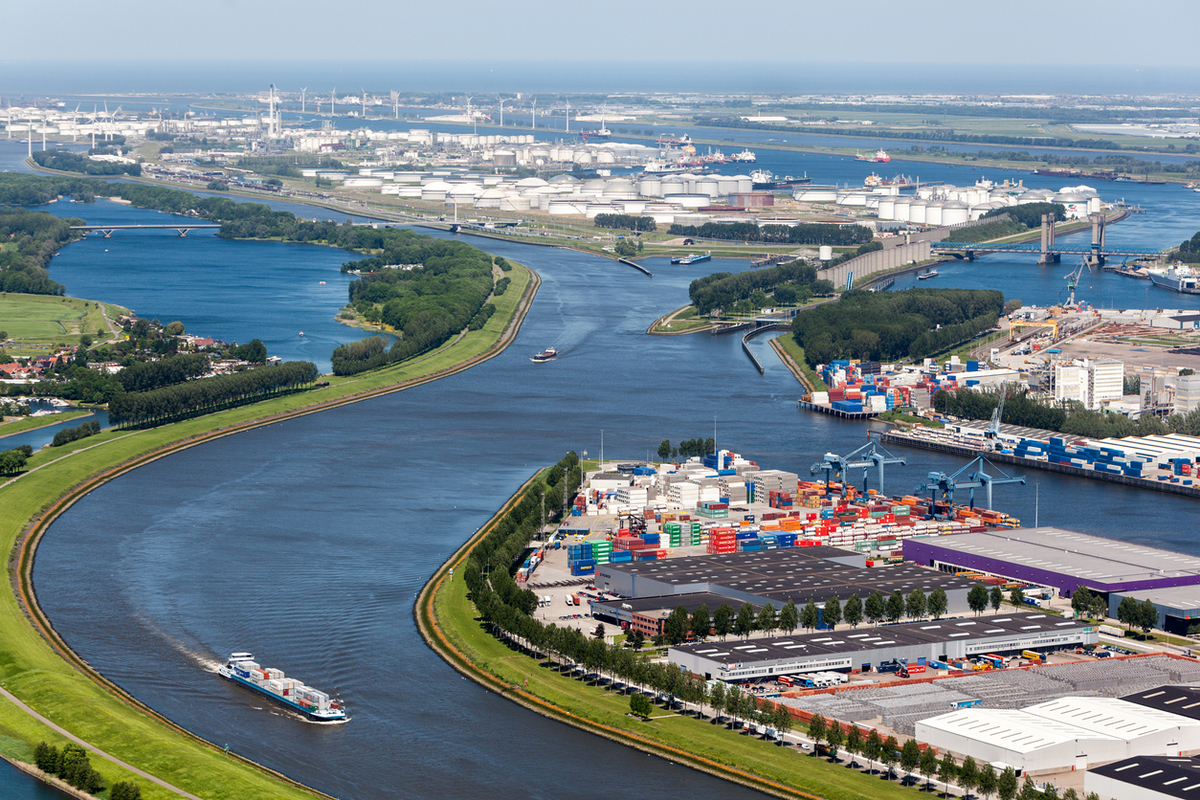 IMAGE: The Europoort area in the Port of Rotterdam. Getty Images
Changes on the day from 09.00 GMT today:
- VLSFO prices up in Durban ($52/mt), Rotterdam ($20/mt) and Gibraltar ($19/mt)
- LSMGO prices up in Gibraltar ($50/mt), Rotterdam ($20/mt) and Durban ($9/mt)
- HSFO prices up in Durban ($48/mt), Gibraltar ($16/mt) and Rotterdam ($11/mt)
- B30-VLSFO prices up in Gibraltar ($29/mt) and Rotterdam ($24/mt)
Regional bunker benchmarks have increased over the past day, tracking gains in Brent futures.
Gibraltar’s LSMGO price has risen more sharply than Rotterdam’s benchmark. A lower-priced 50–150 mt LSMGO stem fixed at around $1,175/mt at the Dutch port helped cap gains in Rotterdam.
LSMGO deliveries are possible with around six days of notice in the ARA hub, a trader said.
Meanwhile, HSFO and VLSFO supply has tightened in the ARA, with buyers advised to book around 10 days in advance to ensure broader coverage from suppliers. This compares with the five days recommended last week, the trader added.
Suppliers are experiencing massive delays at the loading terminals, the trader said.
Brent
The front-month ICE Brent contract has moved $2.91/bbl higher on the day, to trade at $109.15/bbl at 09.00 GMT.
Upward pressure:
Brent crude’s price is set to end the week near $110/bbl as tensions in the Middle East remain elevated.
After the highly anticipated US-China summit this week, President Donald Trump said his patience with Iran was running out, Reuters reported.
The White House said Trump and Chinese President Xi Jinping agreed that Iran must neither control the Strait of Hormuz nor possess nuclear weapons.
“Both countries agreed that Iran can never have a nuclear weapon,” the White House said in a statement.
The statement has heightened anxiety in oil markets, with analysts increasingly anticipating a prolonged closure of the Strait of Hormuz – a crucial conduit for about one-fifth of the world’s seaborne oil flows.
“Energy markets remain extremely sensitive to developments in the Middle East, showing the significance of the supply disruptions we are witnessing,” ING Bank’s head of commodities strategy Warren Patterson said.
Downward pressure:
Global energy agencies have cut their oil demand growth forecasts amid the ongoing US-Iran conflict, capping some of Brent’s price gains.
The Paris-based International Energy Agency (IEA) expects global oil demand to contract by 420,000 b/d in 2026 to 104 million b/d – 1.3 million b/d short of its pre-war forecast.
Global oil demand is expected to contract by about 2.5 million b/d in the second quarter of this year, the IEA said in its latest oil market report.
Meanwhile, the US Energy Information Administration (EIA) forecasts global oil demand to grow by an average of 200,000 b/d to 104.1 million b/d in 2026 – about 500,000 b/d lower than its previous forecast.
The decline in oil demand will primarily occur in Asia as it is more reliant on crude supplies from the war-torn Middle East region, the EIA said.
“Another element which has contained the market is that we have already started to see demand destruction in the oil market,” Patterson said.
By Nachiket Tekawade and Aparupa Mazumder
Please get in touch with comments or additional info to news@engine.online