Europe & Africa Market Update 25 Feb
Bunker fuel prices across European and African ports have moved in mixed directions, and fuel availability remains tight in Las Palmas.
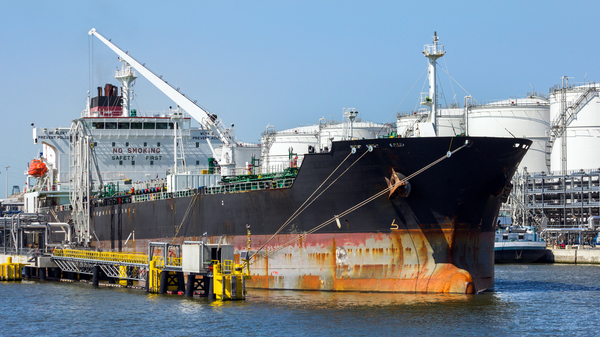
 IMAGE: Ships docked in the Port of Las Palmas, Gran Canaria, Spain. Getty Images
Changes on the day to 09.00 GMT today:
- VLSFO prices up in Durban ($4/mt) and Rotterdam ($1/mt), and down in Gibraltar ($6/mt)
- LSMGO prices up in Gibraltar ($3/mt), and down in Rotterdam ($1/mt)
- HSFO prices up in Durban ($20/mt), and down in Gibraltar ($6/mt) and Rotterdam ($2/mt)
- B30-VLSFO prices down in Gibraltar ($18/mt) and Rotterdam ($14/mt)
The price of VLSFO at Las Palmas has slipped by $12/mt over the past session. Three lower-priced offers, in the range of $490-$500/mt, have put downward pressure on the price.
Las Palmas' VLSFO and LSMGO prices are almost at parity with Gibraltar’s. Meanwhile, bunkering HSFO in Las Palmas could cost around $15/mt more than at Gibraltar.
Bunker availability of all fuel grades is very tight at the Canary Islands' bunkering hub, with buyers advised to book stems at least 10 days ahead to avoid high premiums, a trader told ENGINE.
Rough winds of more than 25 knots and high swells of between 2-4 metres are forecast in the area between 26-28 February, which could lead to operations getting suspended in the outer anchorages.
Brent
The front-month ICE Brent contract has dropped by $0.54/bbl on the day, to trade at $71.06/bbl at 09.00 GMT.
Upward pressure:
Crude oil supply disruption concerns in the Middle East have provided some support to Brent’s price today.
Currently, the oil market's primary focus is on the upcoming third round of US-Iran nuclear talks – taking place in Geneva tomorrow.
“The rise in geopolitical tensions has taken focus away from the looming glut of oil that the market has been concerned about for several months,” ANZ Bank’s senior commodity strategist Daniel Hynes said.
Iran is the fourth-largest OPEC member, producing around 3.2 million b/d of crude oil.
Downward pressure:
Brent’s price has moved lower after the American Petroleum Institute (API) reported a huge rise in US crude stocks.
US crude oil inventories gained by a staggering 11.4 million bbls in the week ending 20 February, according to estimates from the API.
The API data was “well above” the 1.9 million-bbl rise that market analysts were expecting, according to two analysts from ING Bank.
A rise in US crude stocks can indicate lower demand for oil and put some downward pressure on Brent's price.
“The more widely followed Energy Information Administration (EIA) report will be released later today,” ING Bank’s analysts said. “A similar crude oil stock build to the API would be the largest build since February 2024,” they further added.
By Nachiket Tekawade and Aparupa Mazumder
Please get in touch with comments or additional info to news@engine.online