Europe & Africa Market Update 3 June
Bunker prices across European and African ports have surged, while rough seas have cancelled operations at Las Palmas' outer anchorages.
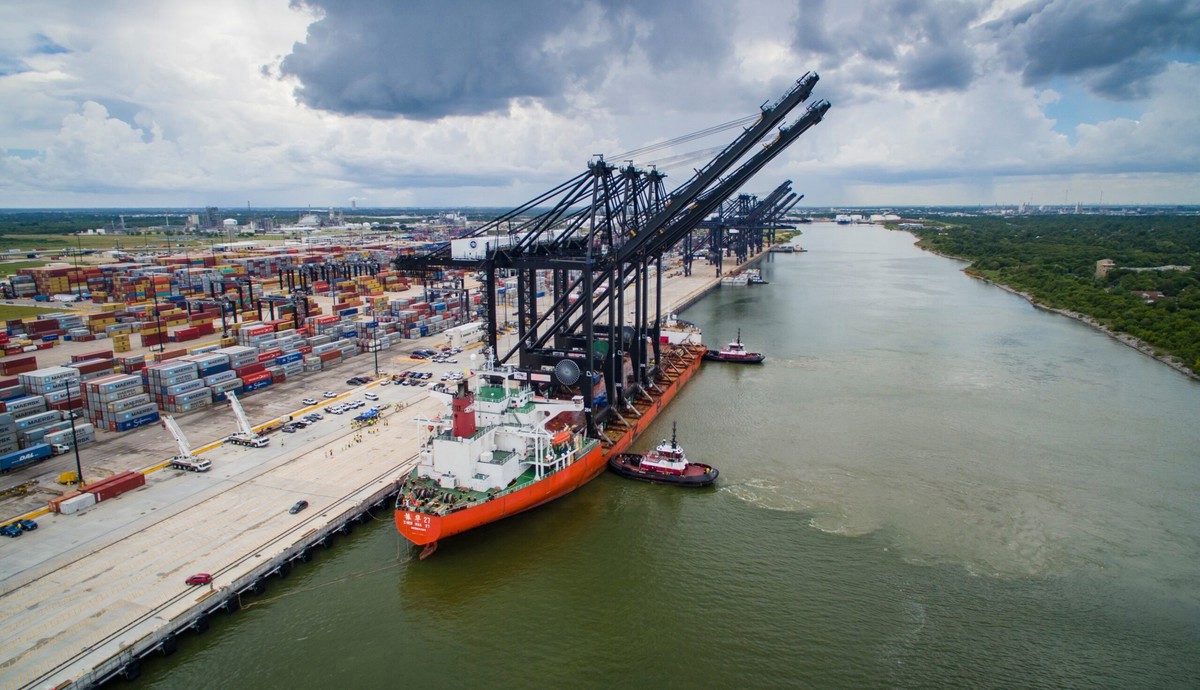
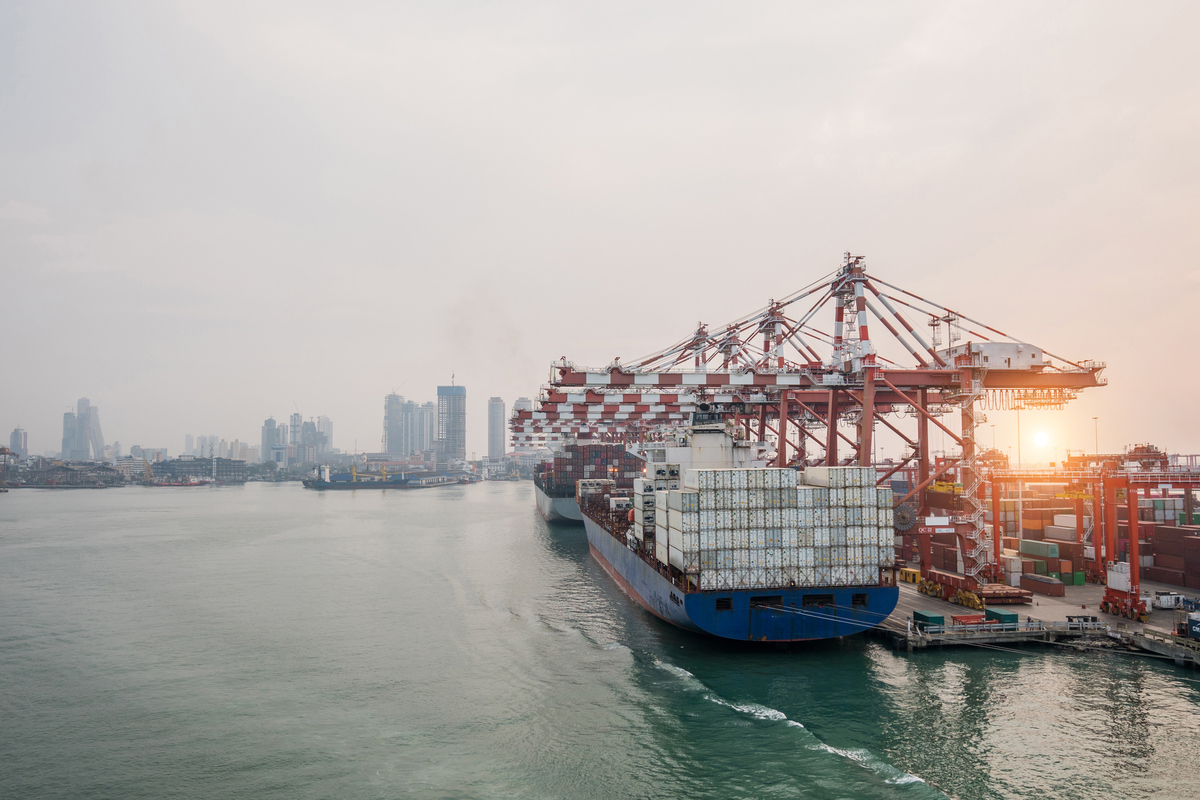
 IMAGE: The commercial harbour in Las Palmas. Getty Images
Changes on the day to 09.00 GMT today:
- VLSFO prices up in Durban ($76/mt), Rotterdam ($35/mt) and Gibraltar ($26/mt)
- LSMGO prices up in Durban ($62/mt), Rotterdam ($61/mt) and Gibraltar ($46/mt)
- HSFO prices up in Rotterdam and Gibraltar ($33/mt)
- B30-VLSFO up in Gibraltar ($96/mt) and Rotterdam ($69/mt)
Regional bunker benchmarks have significantly gained over the past day, tracking the rise in Brent.
Las Palmas’ LSMGO benchmark registered a sharp increase over the past day, almost double Gibraltar's recorded gains.
This has narrowed Las Palmas’ LSMGO price discount to Gibraltar by $38/mt to a discount of just $7/mt in a single day.
The Canary Island hub’s VLSFO price has also gained more sharply compared to Gibraltar.
Fuel availability in Las Palmas remains tight for prompt delivery dates, with buyers recommended lead times of around 7-10 days for any fuel grade, a trader said.
High swells of around 2 metres are forecast in the area at least until 10 June. In such rough sea conditions, bunker operations are closed in the southern and northern outer anchorage areas, port agent MH Bland said.
Deliveries are being carried out in the inner anchorage and at the berth with waiting times of around 2-3 days, the port agent added.
Brent
The front-month ICE Brent contract has increased by $5.22/bbl on the day, to trade at $98.48/bbl at 09.00 GMT.
Upward pressure:
Brent's price has risen as renewed hostilities in the Middle East and a lack of progress in talks between Tehran and Washington continue to support the market
Iran launched ballistic missiles towards neighbours Kuwait and Bahrain, while US forces carried out strikes on Iran's Qeshm Island, Reuters reported.
“US, Iran exchange missile and drone strikes in Persian Gulf,” remarked VANDA Insights founder Vandana Hari.
Market sentiment is also buoyed by concerns that diplomatic efforts between the two countries are faltering.
“Crude oil edged higher as peace talks between the US and Iran struggled to stay on track,” ANZ Bank senior commodity strategist Daniel Hynes noted.
Meanwhile, US crude oil inventories fell by a larger-than-anticipated 6.8 million bbls in the week ending 29 May, according to estimates from the American Petroleum Institute (API) cited by Trading Economics.
The decline was significantly steeper than analysts’ expectations for a 3.6 million-bbl draw. Lower US crude inventories can signal stronger demand and may provide additional upward support to Brent futures.
Downward pressure:
Despite the lack of any meaningful breakthrough in US-Iran talks, market participants continue to closely monitor the negotiations for signs of progress, a factor that has exerted some downward pressure on Brent's price.
By Nachiket Tekawade and Tuhin Roy
Please get in touch with comments or additional info to news@engine.online