Europe & Africa Market Update 4 Mar
Prices of conventional fuel grades have increased across European and African ports, while bunkering remains affected by rough weather in Gibraltar.
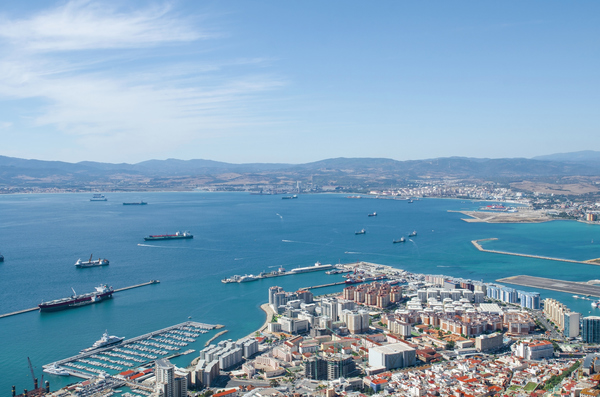
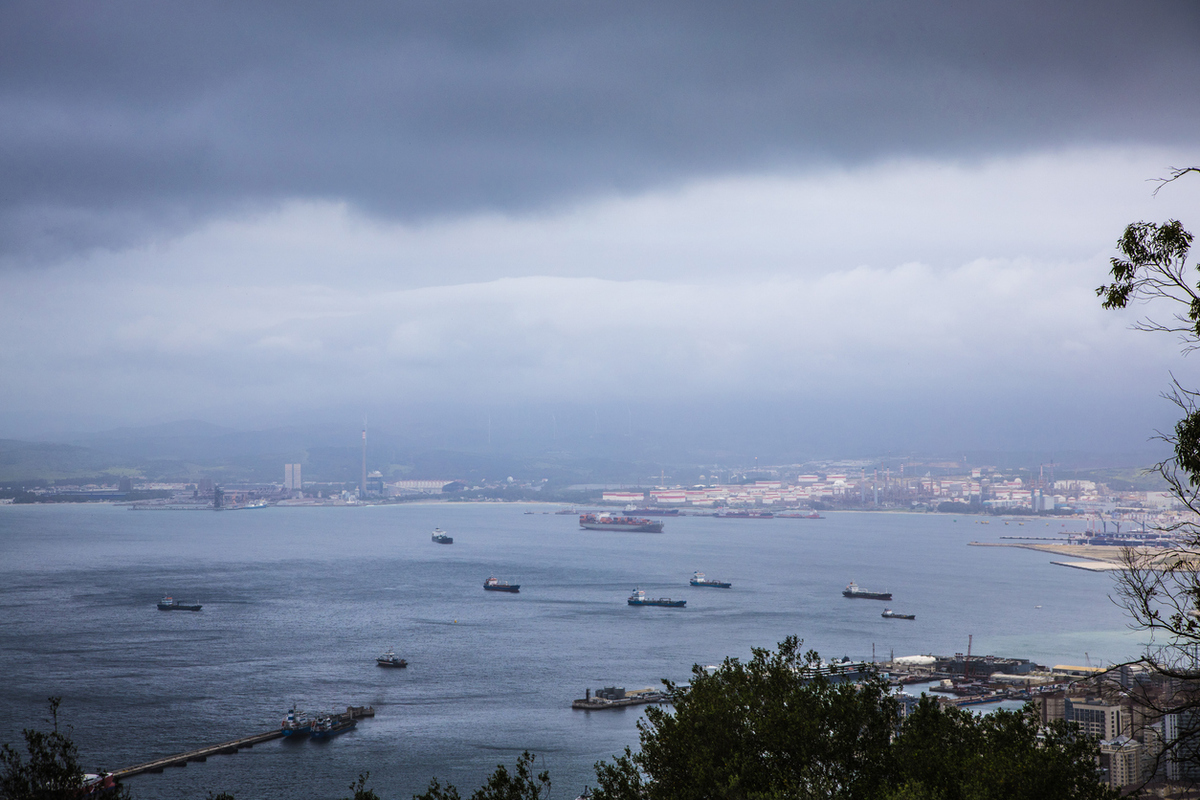 IMAGE: Aerial view of Gibraltar Harbour with dark storm clouds in the background. Getty Images
Changes on the day to 09.00 GMT today:
- VLSFO prices up in Gibraltar ($68/mt), Durban ($59/mt) and Rotterdam ($35/mt)
- LSMGO prices up in Gibraltar ($174/mt) and Rotterdam ($75/mt)
- HSFO prices up in Durban ($59/mt), Gibraltar ($35/mt) and Rotterdam ($22/mt)
- Gibraltar’s B30-VLSFO premium over VLSFO has decreased $102/mt to $223/mt
Most conventional bunker fuel grade prices have registered a strong jump in the previous session, as Brent's price continues its climb.
Gibraltar’s LSMGO price has jumped more sharply than Rotterdam’s, widening the Mediterranean port's premium over the Dutch port by $99/mt in a single session.
Two higher-priced LSMGO offers, in the range of $1,034-1,122/mt, have pushed Gibraltar's benchmark price higher.
Inbound traffic in Gibraltar remains suspended due to rough weather, port agent MH Bland said. This has led to increased bunkering queues, with around 32 vessels waiting as of Wednesday morning, the port agent added.
Due to the market volatility and the weather disruption, bunker availability will be tight for prompt dates in the port, and some sources have recommended lead times in the range of 6-7 days.
Brent
The front-month ICE Brent contract has gained by $2.72/bbl on the day, to trade at $83.86/bbl at 09.00 GMT.
Upward pressure:
Brent crude’s price has remained elevated amid mounting risk of supply disruptions through the Strait of Hormuz – a critical chokepoint through which almost 20% of the world’s oil transits.
Several regional players have halted operations at their facilities in the region, with Iraq joining the queue most recently.
Baghdad has curtailed production from the Rumaila oil field by 700,000 b/d, from the West Qurna 2 oil field by 460,000 b/d and from the Maysan oil field by 325,000 b/d, Reuters reported.
Brent’s price moved higher “following reports that Iraq had cut output at the giant Rumaila oil field and appeared poised to shutter about 3mb/d [3 million b/d] of output, if the crisis persists,” ANZ Bank’s senior commodity strategist Daniel Hynes wrote.
A fire at storage facilities at the UAE port of Fujairah led to some operation shutdowns yesterday. Fujairah is one of the largest oil export hubs near the Strait of Hormuz.
The “sprawling conflict” adds further concerns to the escalating security risks for energy infrastructure across the Persian Gulf region, Hynes said.
Downward pressure:
Brent’s price has felt some downward pressure after the American Petroleum Institute (API) reported a surge in US crude stocks.
US crude oil inventories gained by 5.6 million bbls in the week ending 27 February, according to the API.
A rise in US crude stocks can indicate lower demand for oil and put some downward pressure Brent's price.
Official inventory data from the US Energy Information Administration (EIA) will be released later today.
By Nachiket Tekawade and Aparupa Mazumder
Please get in touch with comments or additional info to news@engine.online