German B100 bunkering surges as marine fuel loophole stays open
The number of B100 samples ENGINE recorded in German ports surged in the first eight months compared to last year, lifting the fuel's share of the country's biofuel samples to almost three-quarters.
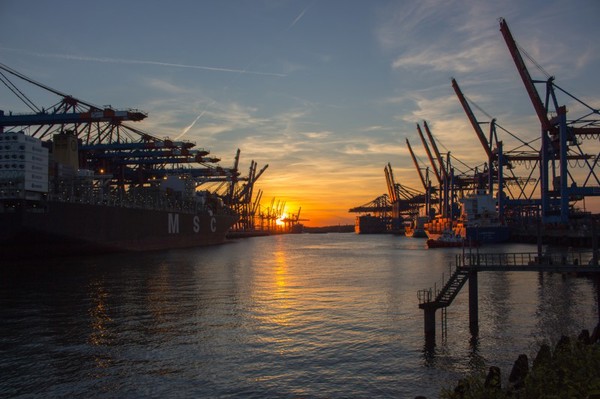 IMAGE: Gantry cranes at the Port of Hamburg. Hamburg Port Authority
ENGINE recorded 169 B100 fuel quality samples in German ports between January and August, up from 16 in the same period last year.
B100's share of German biofuel samples rose from 25% to 73% over this period.
ENGINE's sample data covers only part of Germany's bunker market. Germany does not release official B100 bunkering figures for the country's ports. The number of B100 samples in ENGINE's data can therefore act as an indicator of how demand for the fuel is trending.
ENGINE's samples show five suppliers selling B100 in German ports in January-August, up from three in the same period last year.
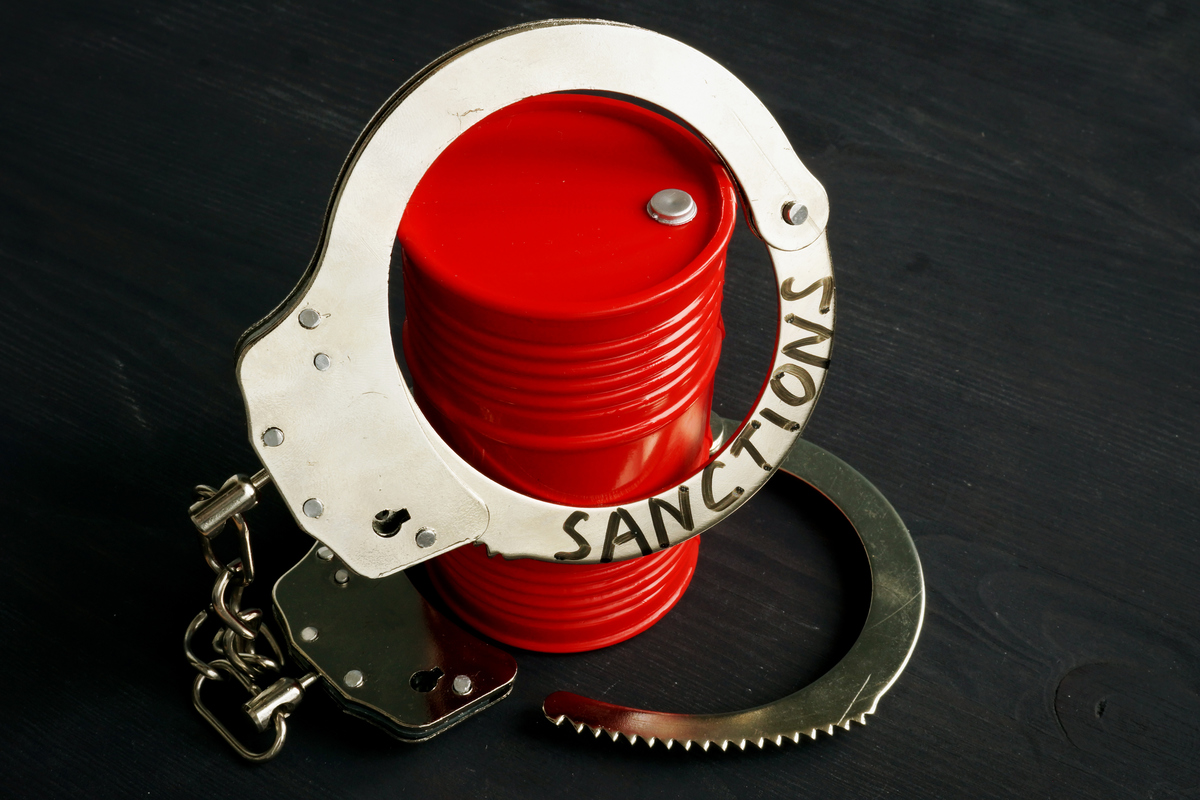
The rise comes amid what biofuels research firm Prima Markets calls accelerating use of a marine fuel blending loophole in Germany's greenhouse gas (GHG) quota rules.
How does the loophole work?
Germany's GHG quota, which implements the EU's Renewable Energy Directive (RED III) for transport fuels, requires fuel suppliers to cut their fuel emissions by 12% this year, rising to 17.5% next year.
Companies can meet the quota by blending biofuel into diesel and petrol, or by buying credits, known as tickets, from companies that have earned them. Because companies need tickets to meet their quotas, the tickets have a market value.
Unlike in the Netherlands, where bunker suppliers can earn tickets by selling biofuels to ships, Germany's quota levels have been set specifically for land-based transport. Fuel delivered to ships, which is normally tax-exempt, is meant to be outside the quota obligation. But the quota counts fuel based on how it is taxed, not where it is used.
Some suppliers instead declare biofuel meant for ships as road fuel and pay road fuel tax on it. This earns them tickets, which they can sell. A ship's operator pays a price that includes the tax, then claims the tax back from customs once the ship has burned the fuel.
"The economics of importing B100 and bio-LNG for use in shipping, but declaring these fuels for road use, voluntarily paying road taxes, and subsequently claiming a tax refund when the fuel is used in shipping, are highly attractive," Prima Markets analyst Ulrich Arnheiter said.
The tickets, called THG certificates, are not cancelled after the fuel is shown to have been used in the maritime sector rather than the road transport sector. Selling these tickets brings in extra revenue for the suppliers.
This mechanism has been the primary reason behind the surge in B100 demand in German ports, a market source told ENGINE.
The source said a few suppliers have been using this mechanism to supply B100 at cheap prices, while other suppliers see it as a grey area to operate in. The source estimates the mechanism cuts B100 prices by roughly $600-700/mt.
Pressure to close the loophole
Prima thinks the loophole is one of the reasons THG certificate prices have fallen sharply since early October. It assessed German 2026 Advanced THG certificates at €365/mtCO2e ($399/mtCO2e) on Friday, down 29% from €512/mtCO2e ($560/mtCO2e) on 1 October.
Initiative Klimabetrug Stoppen (Stop Climate Fraud Initiative), a German renewables industry group, said on 5 November that the extra certificates are entering an already oversupplied market, distorting it and hurting companies investing in renewable fuels for road transport.
It said the government already has the power to exclude fuels used outside land transport and called for a rule from 1 January 2027 based on whether fuel was "demonstrably used in road transport", backed by checks between customs and the biofuel quota office.
"The government can change this without the Bundestag having to act again. It should do so now," said Marc Schubert, the group's deputy chair.
The group said the practice is not ruled out under current law, and that its demands are aimed at the government rather than individual companies.
ENGINE has asked Germany's environment ministry (BMUKN), which is responsible for the GHG quota, whether it plans to stop fuels used by ships from counting towards the quota and when any change could take effect. The ministry had not responded at the time of writing.
The market source ENGINE spoke to expects the loophole to be closed by 2027 and said the extra B100 demand may fall as prices rise again.
By Nachiket Tekawade
Please get in touch with comments or additional info to news@engine.online