IEA signals scope for further oil stock releases
The International Energy Agency (IEA) could release more crude oil from its emergency reserves “as and if needed”, its executive director Fatih Birol said.
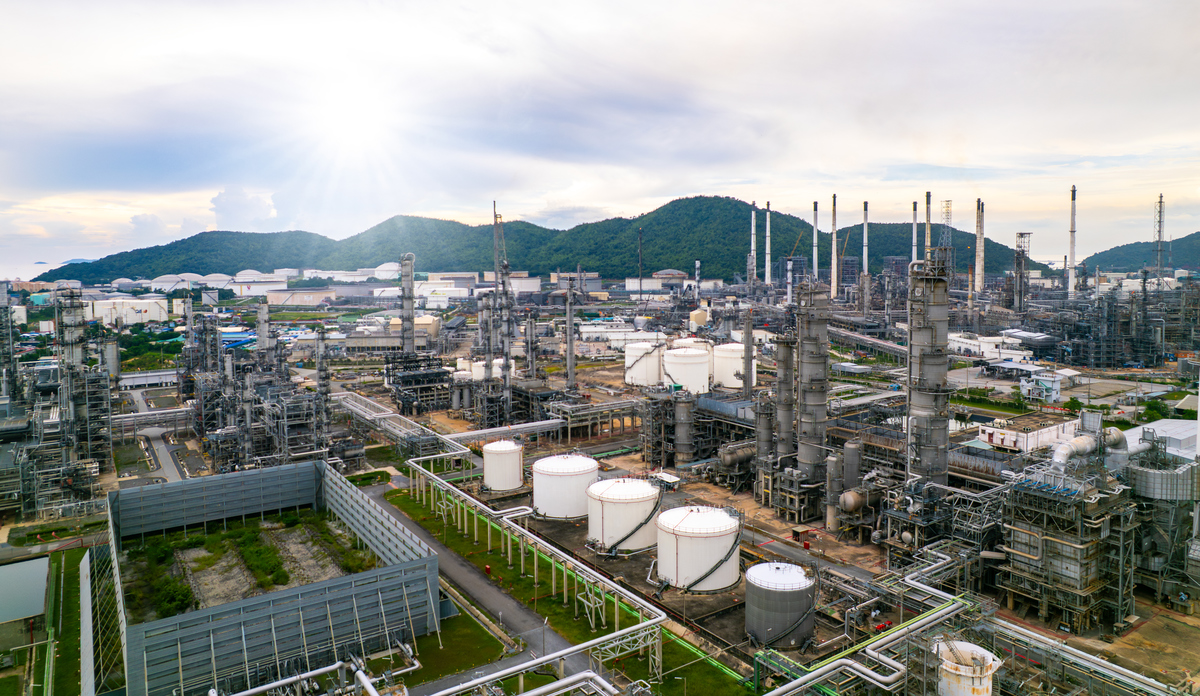
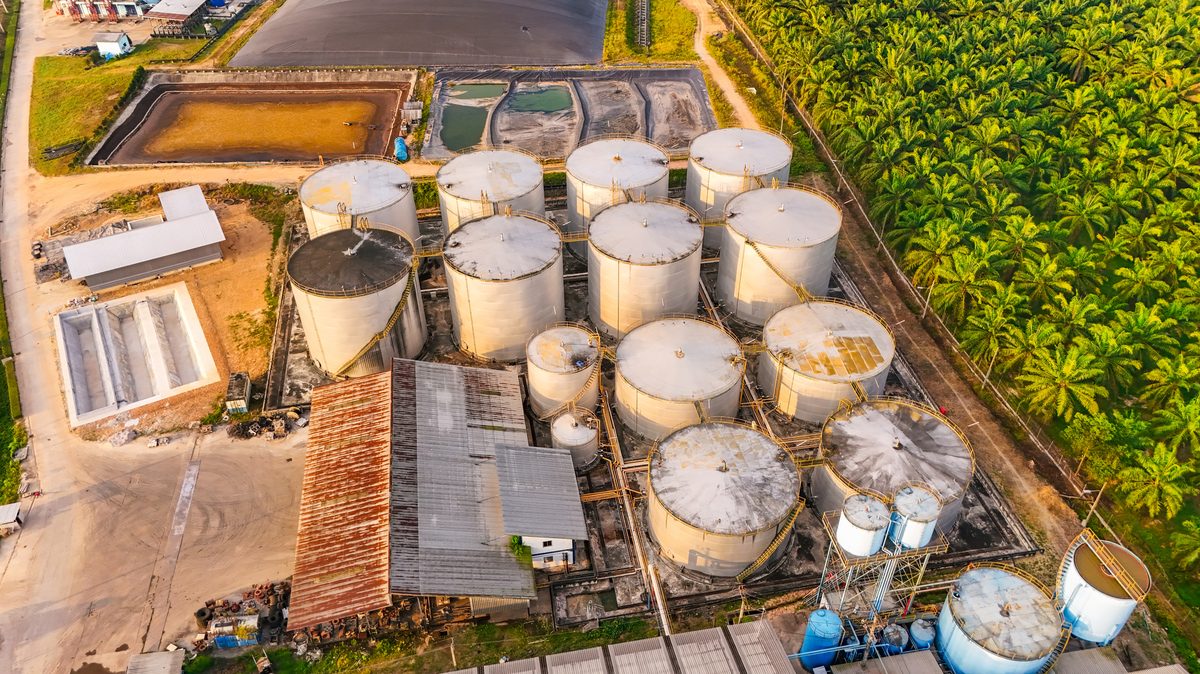 IMAGE: Oil storage tanks. Getty Images
Last week, IEA member countries agreed to release 400 million bbls of crude oil from strategic reserves, as the US-Israel conflict with Iran continues to destabilise oil flows through the Strait of Hormuz – marking the sixth such coordinated emergency stock release in the IEA’s history.
“Despite this huge release, we still have a lot of stocks left,” Birol said in a video statement, adding that roughly 20% of IEA’s total reserve comes under last week's agreement. The strategic reserves still contain about 1.4 billion bbls, he said.
Oil prices will ease only after the critical Strait of Hormuz - through which about a fifth of global daily crude oil flows - is reopened, Birol emphasised.
“While our stock release can provide a buffer for now, it is not a lasting solution,” Birol said. “The single most important thing for a return to stable flow of oil and gas, is the resumption of transit through the Strait of Hormuz,” he further added.
Doubts remain whether the IEA’s release can stabilise the market
Market analysts have questioned whether the 400 million bbls emergency stock release will be enough to offset the disruptions, stressing that the pace of the drawdown will be critical.
Oil stocks from Asia and Oceania countries will be available immediately, while stocks from IEA countries in Europe and the Americas will be available by the end of March, the Paris-based agency said.
Member countries in the Americas have committed 195.8 million bbls. From this, about 172 million bbls will be released by the US Department of Energy from the Strategic Petroleum Reserve (SPR).
Asia and Oceania members have pledged 108.6 million bbls, including 66.8 million bbls from government stocks, while Europe has committed 107.5 million bbls, of which 32.7 million bbls will come from state reserves, the IEA said.
In total, IEA member governments have pledged to make 271.7 million bbls available from state reserves, alongside 116.6 million bbls from mandated industry stocks and a further 23.6 million bbls from other sources, it said.
“There are concerns about the speed at which this oil will reach the market and whether it will be enough to tie up the market until we see oil flowing through the Strait of Hormuz again,” two analysts from ING Bank noted.
The IEA was formed in 1974, following the 1973 oil crisis. The IEA and its 32 member countries hold emergency stockpiles of more than 1.2 billion bbls, with another 600 million bbls in industry stocks held under government obligation, Reuters reported.
By Aparupa Mazumder
Please get in touch with comments or additional info to news@engine.online