Indonesian pilot project to evaluate pongamia’s potential as biofuel feedstock
A consortium of Southeast Asian companies has launched a pilot project in Tapin Regency, South Kalimantan, to cultivate Pongamia and evaluate its viability as a biofuel feedstock.
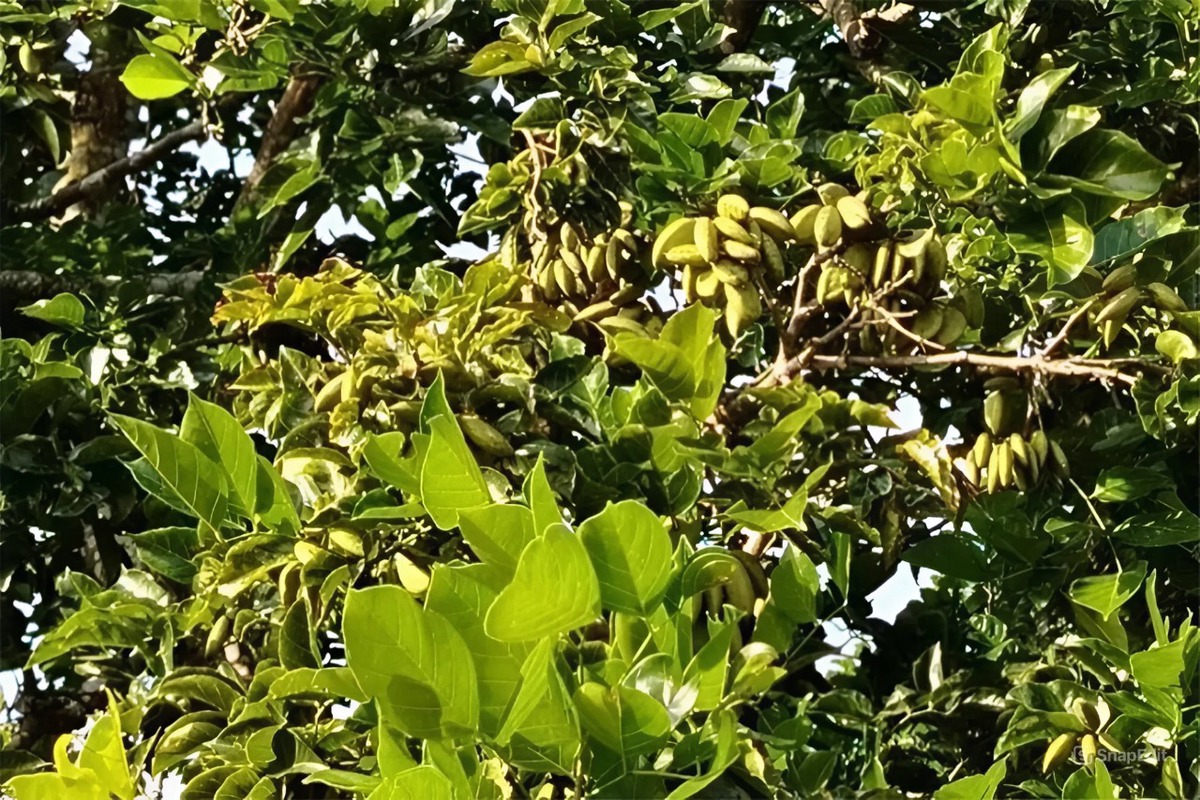 IMAGE: Pongamia plant. MOL
Pongamia, a leguminous tree indigenous to India, thrives in warm and humid climates. It grows naturally across regions such as southern China, Okinawa, Taiwan, and extends through tropical and subtropical zones including Southeast Asia, Australia, and the Pacific Islands. Its seeds contain around 30–45% oil, which is non-edible - making it a promising feedstock for biofuel production without competing with food resources.
The project will span five years, from 2026 to 2031, covering approximately 10 hectares of reclaimed land from a former coal mine. During this period, the consortium will undertake technical assessments, including cultivation trials, growth monitoring and evaluation of Pongamia’s potential both as a sustainable biofuel source and a generator of carbon credits.
Indonesia’s National Research and Innovation Agency and a Japanese national university will provide cultivation expertise.
The consortium will also assess the broader biofuel feedstock supply chain, explore the feasibility of repurposing former mining land, and identify barriers to large-scale commercialisation.
Participants in the initiative include Japan’s shipping major Mitsui O.S.K. Lines (MOL), Indonesian conglomerate PT Hasnur Group, general trading firm Hanwa, food company NH Foods, biofuels producer Four Pride, and capital firm SPIL Ventures.
The effort reflects a wider industry push to diversify feedstock sources beyond conventional options such as used cooking oil (UCO). In a related development, Japan’s Nippon Biofuels recently supplied a jatropha-based biofuel blend for a bunkering trial on a Japanese RoRo vessel.
By Tuhin Roy
Please get in touch with comments or additional info to news@engine.online