Iraq halts oil production at major oil fields
Brent crude’s price has surpassed the $80/bbl mark, after OPEC member Iraq ceased some oil production at major southern oil fields.
 IMAGE: Workers in an oilfield. Getty Images
Iraq’s state-owned oil company Basrah Oil said in a statement that the country has shut production at its oilfield in Rumaila – one of its largest fields.
The news has put upward pressure on oil prices. “The disruption to oil flows through the Strait is starting to affect oil flows further upstream,” two analysts from ING Bank noted.
Baghdad has curtailed production from the Rumaila oil field by 700,000 b/d, from the West Qurna 2 oil field by 460,000 b/d and from the Maysan oil field by 325,000 b/d, Reuters reported citing Iraqi officials.
“The risk of further reductions in the coming days remains,” remarked ING Bank’s analysts.
Recent developments around the Strait of Hormuz region have disrupted international navigation and “deterred oil tankers from entering the Gulf Basin,” Iraq’s Ministry of Oil said. “This led to a shortage of tankers in our southern ports,” it added.
The shortage in available tankers have plunged storage tanks in Iraq’s southern export terminals to “critical levels” – reducing crude oil productions, according to the statement.
Companies in Iraqi Kurdistan, including DNO, Gulf Keystone Petroleum, Dana Gas, and HKN Energy have stopped output at their fields as precautionary measures.
“The longer the disruptions persist, the more upstream production shut-ins we will see from the region,” ING Bank’s analysts added.
Operational shutdowns spread across the Gulf
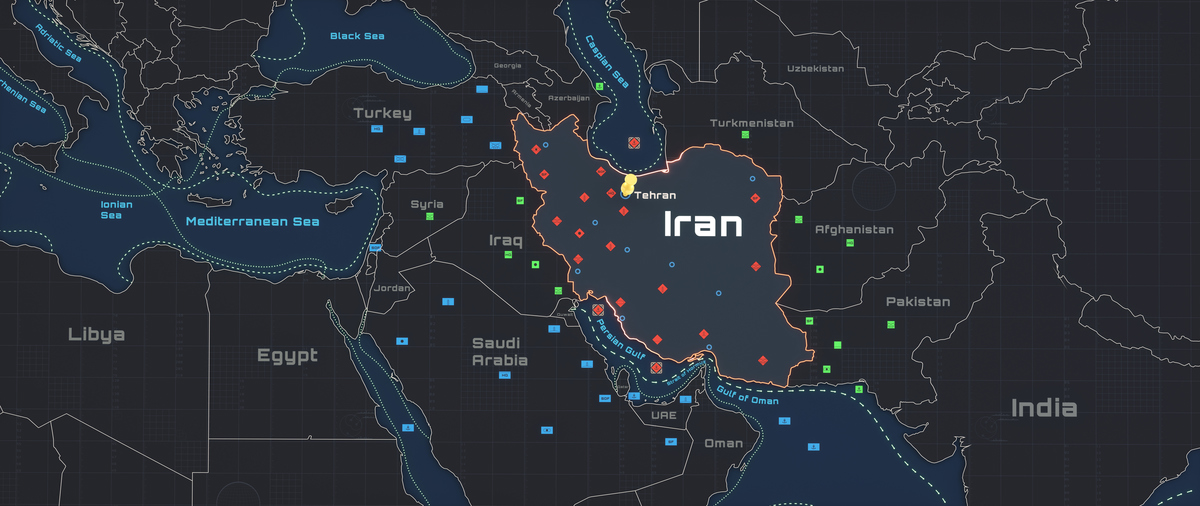 IMAGE: Getty Images
Iraq joins a growing list of regional countries shutting down operations. Yesterday, a fire broke out near storage facilities at the UAE port of Fujairah, leading to some operation shutdowns, Reuters reported.
Fujairah is one of the largest oil export hubs near the Strait of Hormuz. The incident adds further concerns to the escalating security risks for energy infrastructure across the Gulf region, according to market analysts.
There is a “growing unease about the damage to energy infrastructure resulting from attacks,” ING Bank’s analysts added.
Earlier this week, OPEC’s de-facto leader Saudi Arabia's state oil company Aramco halted its 550,000 b/d Ras Tanura refinery after an Iranian drone hit its compound.
Meanwhile, Qatar’s state-owned oil and gas company QatarEnergy has decided to reduce output by shutting LNG production, following strikes on its facilities in Ras Laffan Industrial Complex and Mesaieed Industrial Zone.
About 20% of global LNG supply is produced in Qatar, making it an important supplier in both Asian and European markets, according to Reuters.
The company’s decision to halt production has “only added fuel to the fire,” the two ING analysts further noted.
By Aparupa Mazumder
Please get in touch with comments or additional info to news@engine.online