Middle East war: Oil steady as Houthis attack Saudi energy infrastructure again
Brent crude’s price held steady as Yemen’s Houthi militants again targeted Saudi Arabian energy infrastructure, and commercial shipping remains severely choked in the Strait of Hormuz.
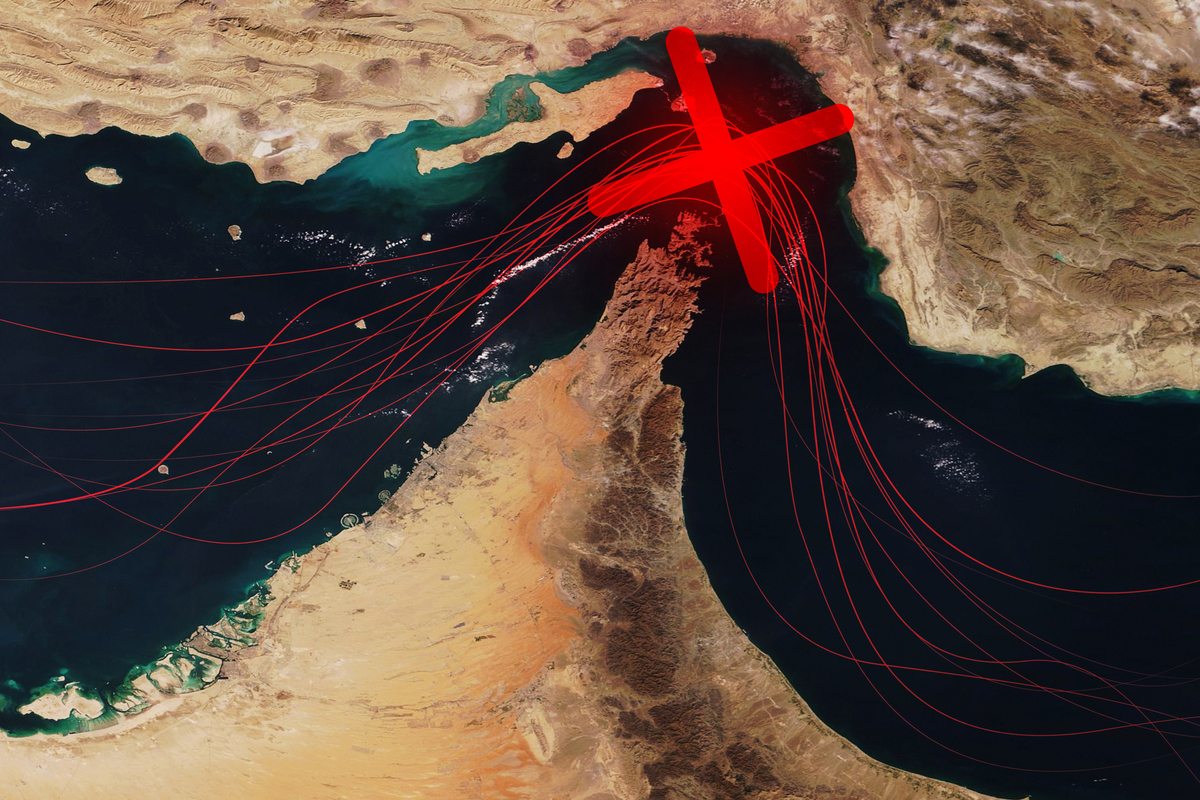 IMAGE: Getty Images
The Iran-aligned Houthi militants have sustained their attacks on Saudi Arabian energy infrastructure, exacerbating regional security risks.
In its latest wave of attacks, the Houthis targeted vital infrastructure in the Jizan region with ballistic missiles, the group’s official spokesperson Yahya Sare’e said on Telegram.
Situated on the Red Sea coast near the Yemeni border, Jizan hosts a 400,000 b/d refinery. It has come under repeated attacks over the course of this war.
The fresh attack comes shortly after the Houthis hit pumping stations along the highly critical East-West Pipeline.
The repeated assault on the East-West Pipeline, which is Riyadh’s critical export route that funnels about 70% of its crude exports through Yanbu to circumvent the Strait of Hormuz, has heightened anxieties over Middle Eastern supply.
The Houthis have also hit other critical sites in Saudi Arabia, including the financial center in King Abdullah Economic City, Al-Sadaf Petrochemical Company in Jubail, Khamis Mushait Air Base and the King Khalid International Airport in Riyadh, Sare’e said.
Vessel traffic through the Strait of Hormuz remains severely choked
Iran’s Islamic Revolutionary Guard Corps have claimed that crude oil tankers and commercial vessels have hit sea mines in the Strait of Hormuz every single day so far in November, as they try to avoid the Iran-controlled northern corridor in the waterway and opt to transit via the southern corridor of the strait – which is overseen by the US Navy.
Iran’s Islamic Revolutionary Guard Corps (IRGC) claim that crude tankers and commercial vessels have struck sea mines daily in the Strait of Hormuz this month while using the US Navy-overseen southern corridor to bypass the Iran-controlled northern route.
Yesterday, the IRGC said two tankers caught fire and exploded after hitting sea mines, Reuters reported.
Only three vessels crossed the Strait of Hormuz yesterday, one inbound and two outbound, according to market intelligence provider Windward. One of these vessels moved in dark mode.
“Three Indian dhows with no IMO number also crossed dark outbound through the southern corridor. They are excluded from the count,” Windward said.
An average of 129 vessels/day crossed the strait in February, before the war started, according to UN Trade and Development.
By Aparupa Mazumder
Please get in touch with comments or additional info to news@engine.online