National University of Singapore launches ammonia engine project
The National University of Singapore (NUS) has launched a collaboration with academic and industry partners in Singapore and abroad to develop ammonia-fuelled marine engines.
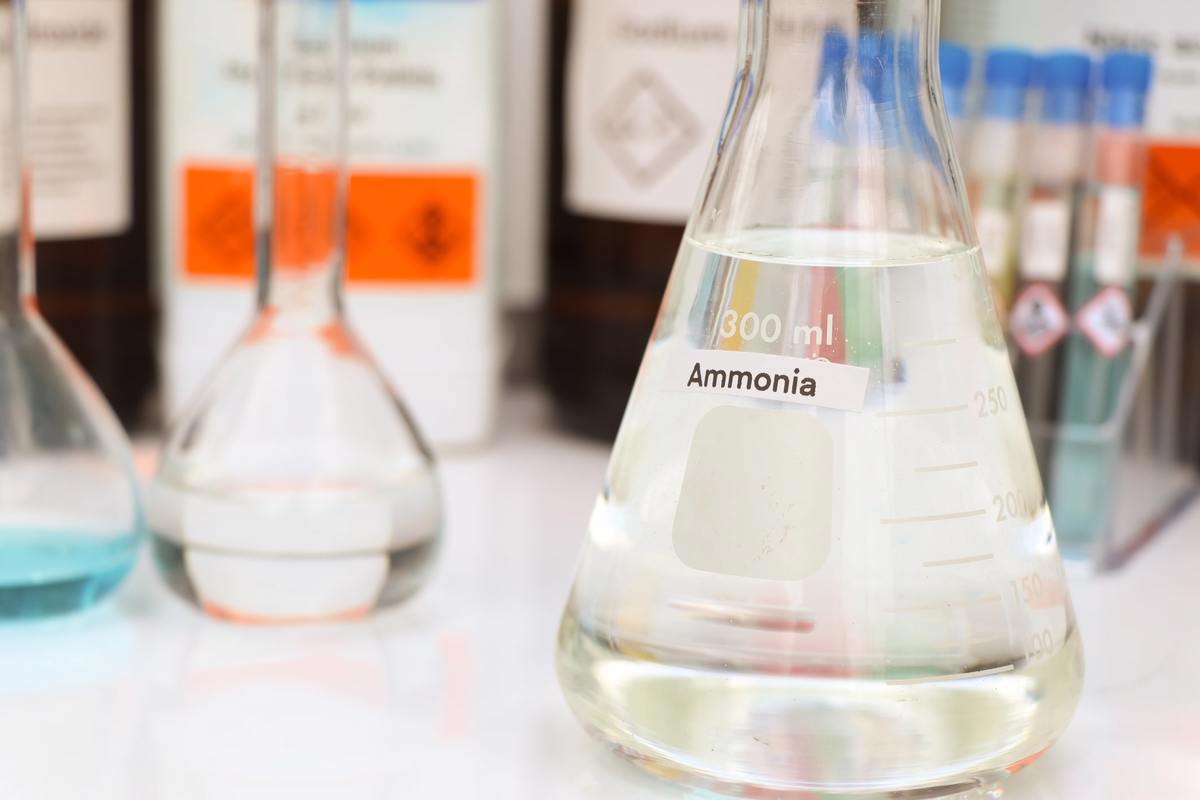 IMAGE: Getty Images
The project will centre on an in-cylinder reforming gas recirculation (IRGR) engine concept, which is intended to tackle key challenges that have so far limited the broader adoption of ammonia as a marine fuel.
An IRGR engine converts a portion of the fuel into hydrogen-rich gas within the cylinder and recirculates it during combustion to enhance efficiency and lower emissions.
“Ammonia has been recognised as one of the most promising fuels for achieving near-zero greenhouse gas emissions in marine transportation, but current ammonia engines face significant challenges in efficiency and emissions,” said associate professor Yang Wenming from the Department of Mechanical Engineering at NUS.
“The IRGR concept is designed to address these limitations by improving combustion efficiency while sharply reducing unburned ammonia and other pollutants,” Wenming added.
The project is led by NUS’ Centre for Hydrogen Innovations (CHI), with funding support from the Singapore Maritime Institute (SMI), and will run for three years.
The work will be conducted at NUS’ College of Design and Engineering (CDE), where the research team will focus on developing scalable engine concepts that could support the future deployment of low- and zero-emissions vessels worldwide.
The consortium includes partners from Shanghai Jiao Tong University, Nanyang Technological University, the A*STAR National Metrology Centre, and Keppel Energy Nexus, along with industry partners including marine engine manufacturer Daihatsu and the American Bureau of Shipping (ABS).
By Tuhin Roy
Please get in touch with comments or additional info to news@engine.online