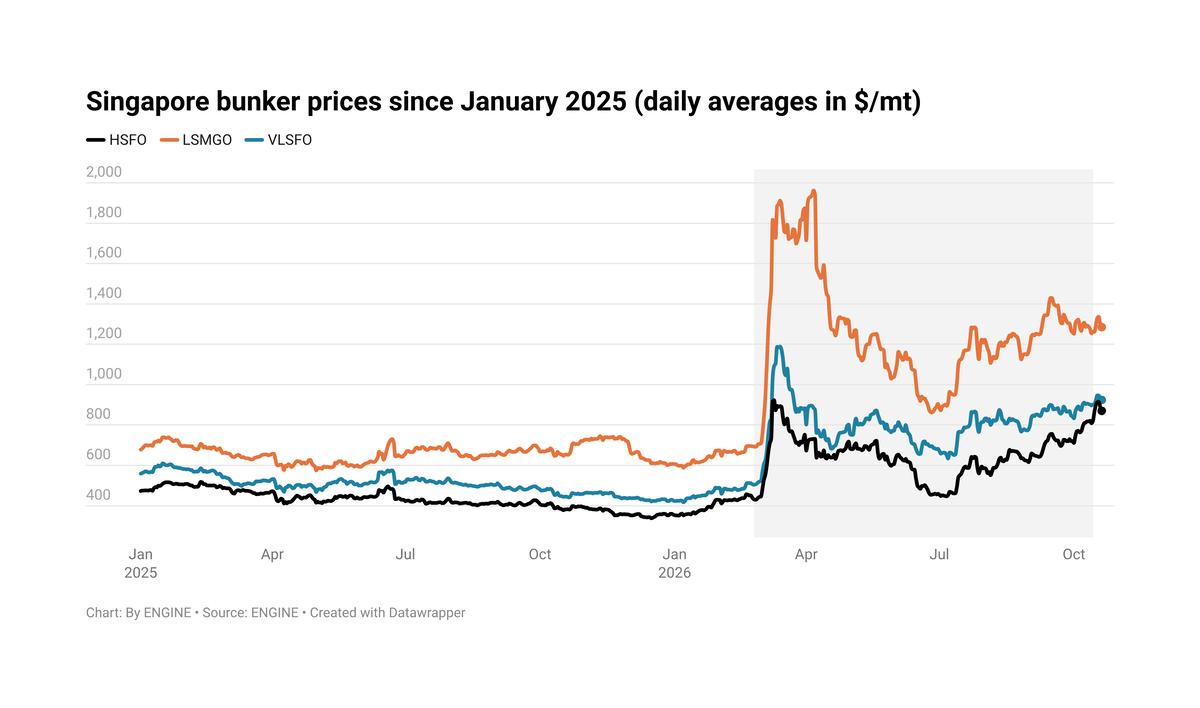
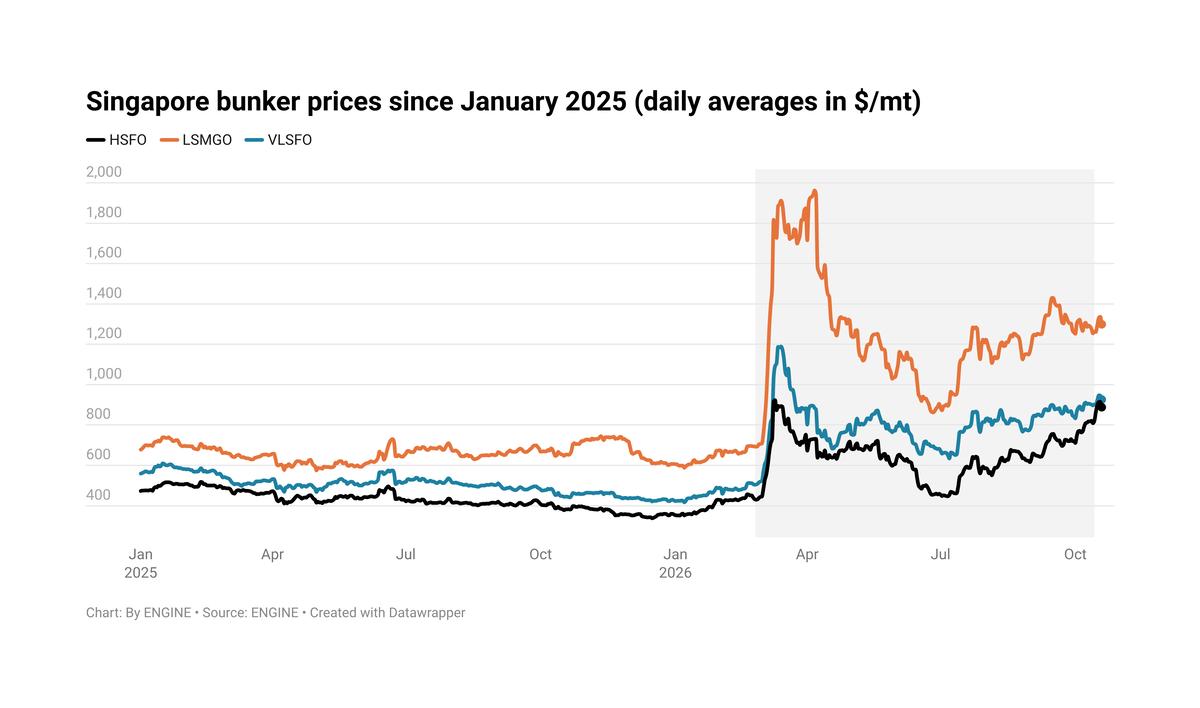
Oil breaks above $100/bbl as Middle East conflict spirals
Brent's price has risen above $100/bbl as the Middle East conflict entered its 10th day, with fresh cross-border missile and drone strikes.
 IMAGE: Getty Images
Oil prices have skyrocketed as the conflict involving Iran escalated sharply over the weekend, with strikes targeting energy infrastructure and military bases across the Middle East.
The escalation has heightened concerns that crude flows from the region could face disruptions lasting several weeks, market analysts said. Moreover, the spike in oil prices has raised concerns about an energy-driven inflation shock in the market.
“Crude oil recorded its biggest weekly gain since 2022, as the Middle East conflict unleashes a wave of disruptions across energy markets,” ANZ Bank’s senior commodity strategist Daniel Hynes wrote.
Over the weekend, Israel struck four oil storage facilities and an oil production transfer centre in Iran’s capital city Tehran and Alborz province, Al Jazeera reported citing Iran’s state-controlled news agency Fars News.
Kuwait, a founding OPEC member, has started cutting oil production at some of its oilfields due to shortage in storage space, the Wall Street Journal reported.
A drone strike damaged an oil facility in one of Bahrain’s industrial areas, the country’s national oil company Bahrain Petroleum Company (BAPCO) said.
Iran has continued its barrage of drone and missile strikes across the region, while also declaring Mojtaba Khamenei to succeed his father Ayatollah Ali Khamenei as the supreme leader of the country, Reuters reported.
The appointment points to continued hardline rule, dealing a setback to efforts by the US and Israel to force regime change in Iran.
“The prospect of a drawn-out conflict is raising concerns of a sizeable hit to supply,” Hynes said.
Oil prices could move higher to as much as $150/bbl if the highly critical Strait of Hormuz remains closed to tankers, Qatar’s Energy Minister Saad al-Kaabi said in an interview with Financial Times.
The conflict has already disrupted energy output across the region, with major exporters – including the UAE, Iraq, Qatar – halting oil and gas production.
“By reducing production they are trying to avoid complete shutdown of operating wells, which would make it harder to restart production quickly,” Hynes added.
Finance ministers from the G7 group of developed countries are expected to discuss a joint release of oil from emergency reserves coordinated by the International Energy Agency (IEA), the Financial Times reported.
“The bottom line is that, as long as we don’t see oil moving through the Strait of Hormuz, oil prices will only move higher,” two analysts from ING Bank said.
By Aparupa Mazumder
Please get in touch with comments or additional info to news@engine.online