Oil remains elevated as Hormuz tension grows
Brent crude’s price has continued to trade higher amid renewed US-Iran conflict risk premium.
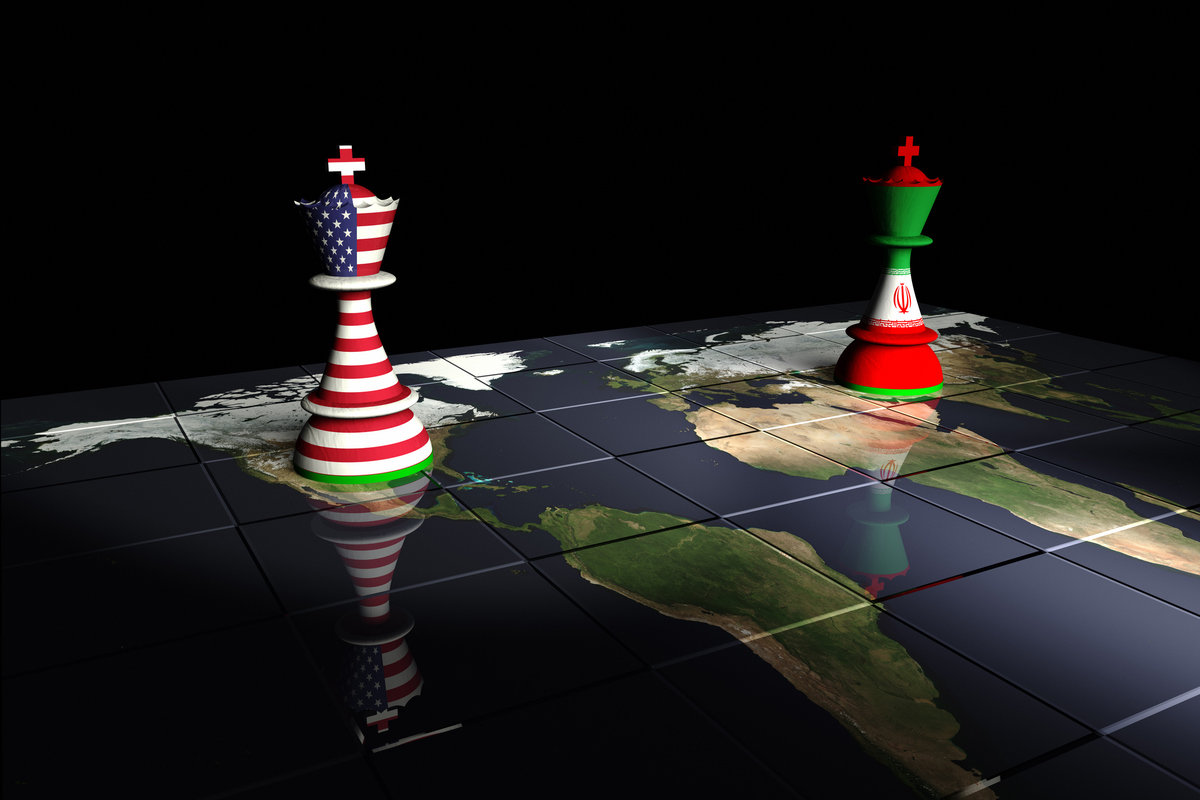 IMAGE: Getty Images
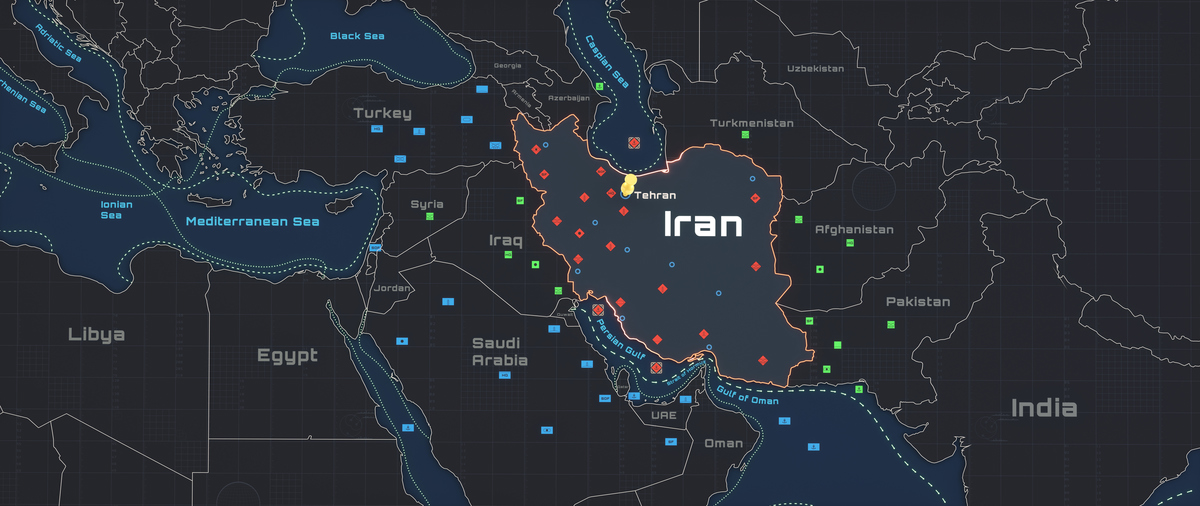
The US and Iran have resumed hostilities over the weekend and into this week, with Tehran striking US military assets in the Gulf and Washington reinstating its blockade of Iranian ports and the Strait of Hormuz.
The escalation has sent Brent’s price soaring to one-month highs and effectively erasing hopes of a lasting peace in the Middle East.
Another commercial tanker came under attack while transiting the Strait of Hormuz through Omani corridor yesterday, the United Kingdom Maritime Trade Operations (UKMTO) reported.
The tanker was hit by a missile "while transiting outbound on the southern route", 13 nautical miles (NM) southeast of Limah, Oman, the UKMTO said.
Iran’s military has attacked seven commercial vessels over the past seven days, resulting in seafarer injuries and killings, the US Central Command (CENTCOM) commander Brad Cooper said in a statement.
In response to these attacks, the US CENTCOM has targeted Iranian sites with additional rounds of strikes, “hitting dozens of military targets near the Strait of Hormuz and Iranian coastal areas,” it said.
A conflict of control
The US navy has claimed to have successfully resume its blockade of vessels transiting to or from Iranian ports and coastal areas. “The blockade went into effect at 4 p.m. ET [21.00 GMT yesterday],” the US CENTCOM said.
Meanwhile, Tehran has claimed it is continuing oil exports despite the US cancelling its waiver of Iranian oil sales, according to the country’s oil minister Mohsen Paknejad.
“Iran’s oil exports are continuing without interruption despite the termination of a 60-day exemption tied to US sanctions,” state-owned Shana news service quoted Paknejad as saying.
Earlier this week, nine US-sanctioned Iranian tankers carrying about 14.59 million bbls of Iranian crude and condensate valued at about $989 million went dark off Port Klang in Malaysia, maritime intelligence firm Windward reported.
These cargoes are “predominantly bound for Shandong teapot refineries at Dongjiakou, consistent with the established Iran-to-Malaysian-blend-to-China laundering route,” Windward said.
Additionally, uncertainty in the oil market deepened after Trump proposed a fee equivalent to 20% of a cargo's value for the US to act as the self-appointed “Guardian of the Hormuz Strait,” before quickly retracting the proposal, leaving traders to grapple with the sudden policy reversal.
“I have decided to replace the 20% United States Reimbursement Fee with Trade and Investment Deals that the various Gulf States will be making into the United States,” Trump said on social media platform Truth Social.
“There are few details on how this would work—or how serious Trump is about it,” two analysts from ING Bank noted.
By Aparupa Mazumder
Please get in touch with comments or additional info to news@engine.online