Strait of Hormuz: Tanker lull persists despite Trump’s peace pledge
Commercial vessels transiting the Strait of Hormuz is nearly muted this week, unaffected by reports that peace negotiations may successfully conclude soon, according to maritime intelligence firms.
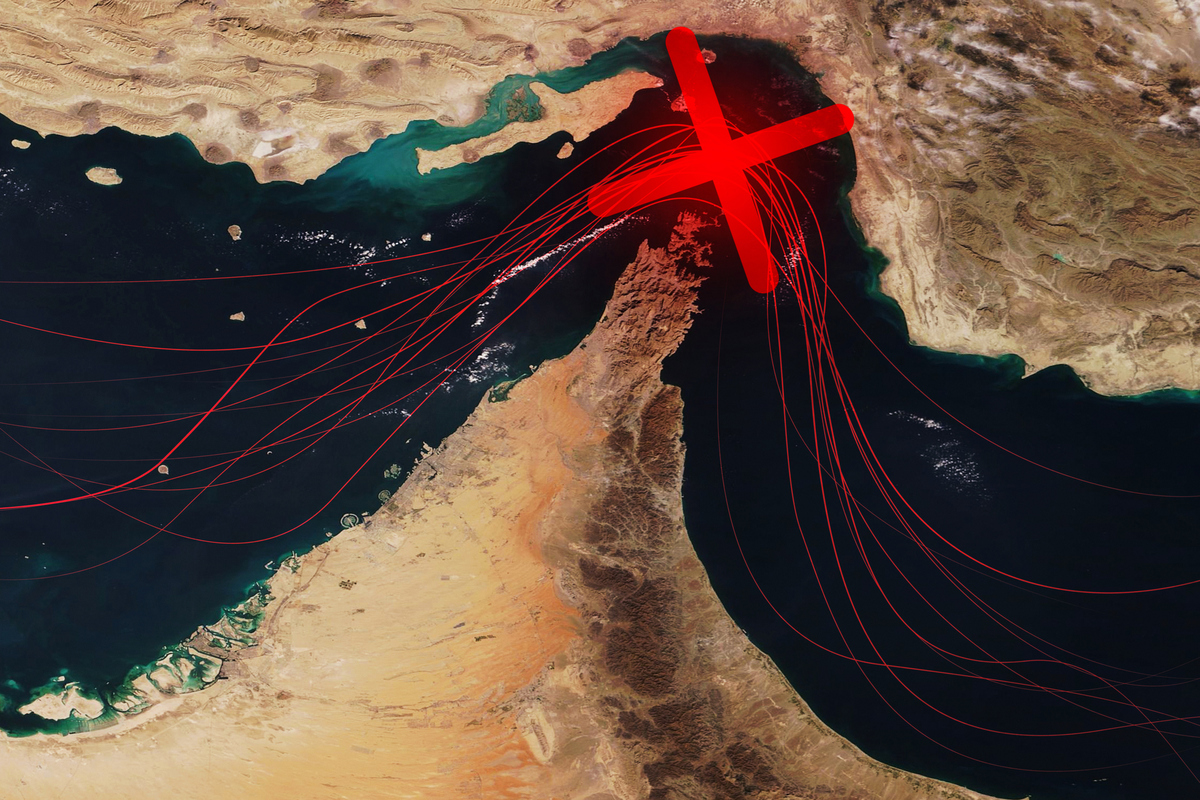 IMAGE: Getty Images
Only a handful of merchant vessels and tankers have attempted to transit the Strait of Hormuz, following recent remarks by US President Donald Trump, reassuring the market that a deal with Iran “has been agreed to”.
Strait of Hormuz crossings fell 77% day-on-day to just five vessels on Saturday, with all transits concentrated through the Iranian Unilateral Scheme, market intelligence firm Kpler reported.
Only three tankers transited the region on Monday, down from seven vessels on Sunday, Kpler’s data showed. The movement suggests “reduced operational confidence and limited routing flexibility,” the intelligence firm said.
Tanker traffic through the Strait of Hormuz remains well below pre-war levels recorded before the initial US-Israeli strikes on Iran on 28 February.
The strait logged 12 identified transits over the past 24 hours, maritime intelligence firm Windward reported. Most vessels attempting to transit the region have their transponders turned off, in a bid to cross the strait undetected.
Bab al-Mandeb sees an uptick in transits
Meanwhile, traffic through the Bab al-Mandeb Strait has picked up, with 47 crossings recorded on Saturday, despite the continued movement of sanctioned vessels, shadow fleet operations, and dark transits, Kpler reported.
Twenty-two Chinese-owned or flagged vessels transited the strait or called at Saudi Arabian ports between 20 July and 2 August without incident, “even as four separate Saudi-linked tankers were struck in the same window,” Windward reported.
Even with this uptick in overall transit, vessels are still actively avoiding the chokepoint. In a notable detour yesterday, six Saudi Arabian-flagged crude carriers bypassed the Bab al-Mandeb route entirely, opting instead for the lengthy voyage around Africa's Cape of Good Hope, Windward reported.
The detour is estimated to add at least 6-7 days on five US Gulf Coast-bound legs and roughly 30 days on one Taiwan–Saudi Arabia leg, according to Windward.
“Operators are closely monitoring traffic volumes, routing behaviour and any diplomatic developments that could reshape risk across regional shipping lanes in the days ahead,” Kpler stated.
By Aparupa Mazumder
Please get in touch with comments or additional info to news@engine.online