Sulphur-related bunker claims rise amid increased Chinese scrutiny – Gard
Sulphur claims more than tripled in the first half of 2026, as four provincial authorities inspect fuel across seven Bohai Sea ports until late October.
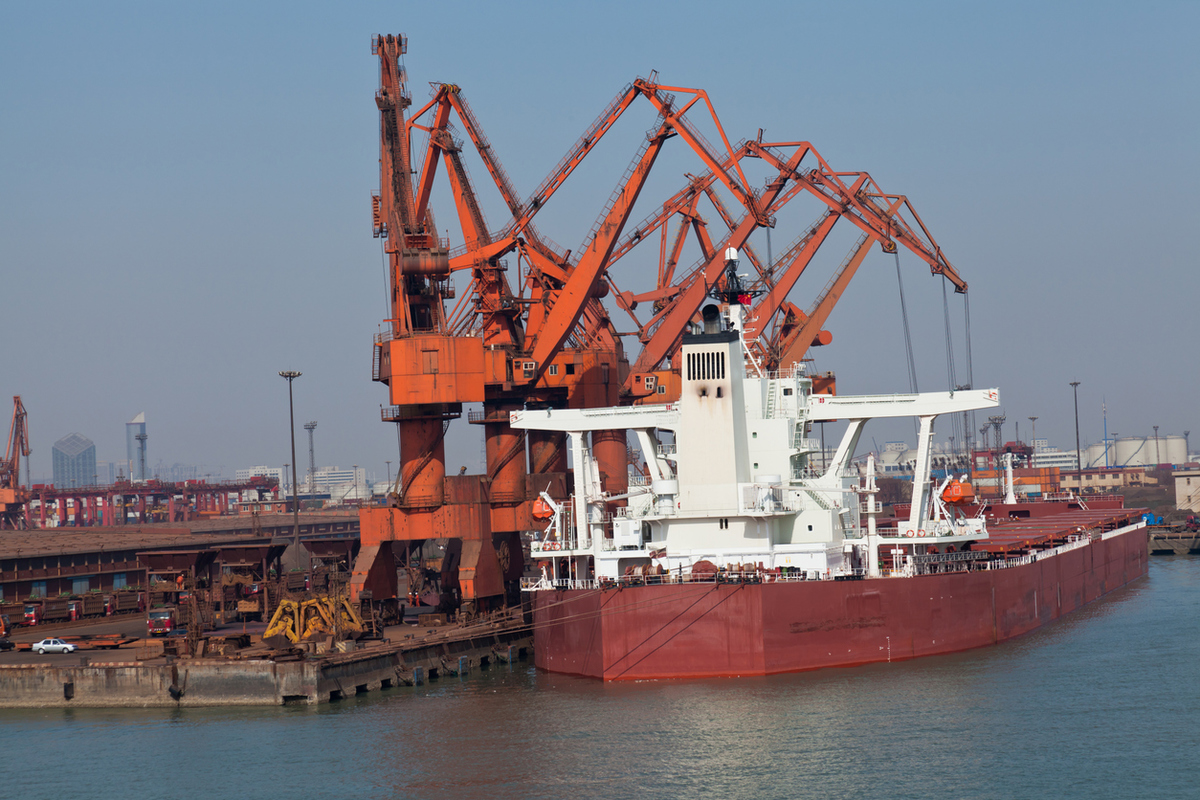 IMAGE: A harbour in Tianjin, China. Getty Images
Sulphur-related claims handled by marine insurer Gard more than tripled between January and June, compared to the same period last year.
The number of cases recorded in the first half of 2026 already exceeded the 2025 total by about 40%, Gard said.
Gard said excessive sulphur content is a MARPOL compliance issue, and that unlike many other bunker quality problems, sulphur non-compliance found in port state inspections can lead to vessel delays, enforcement action and substantial debunkering and fuel disposal costs.
This increase coincides with a joint campaign on ship pollution prevention and control that the maritime authorities of Tianjin, Hebei, Liaoning and Shandong launched on 5 June across the Bohai Sea region, according to Gard's correspondent Huatai.
Local branches of China's Maritime Safety Administration (MSA) are coordinating supervision across the region.
The campaign is broader than bunker sulphur compliance, but its scope includes air pollution, SOx emissions and fuel compliance inspections. It is expected to run for nearly five months and covers ports including Tianjin, Tangshan, Qinhuangdao, Huanghua, Jinzhou, Yingkou and Longkou.
Inspectors are expected to carry out onboard inspections, cross-regional enforcement, unannounced spot checks and remote monitoring, backed by drone patrols, patrol vessels, shore-based monitoring systems and rapid on-site fuel testing, Gard said.
Gard warned there could be increased scrutiny of fuel compliance documentation, fuel sampling records, onboard fuel management procedures and the handling or disposal of suspected non-compliant fuel.
Under China's Air Pollution Prevention and Control Law, maritime authorities can fine shipowners, operators or managers between RMB 10,000 and RMB 100,000 where a vessel's fuel oil fails to meet applicable standards or requirements, Gard said.
Gard said it recommends that shipowners and operators take preventive measures before bunkering, and act promptly if non-compliant fuel is suspected by documenting any issues and informing the relevant authorities.
By Nachiket Tekawade
Please get in touch with comments or additional info to news@engine.online