The Week in Alt Fuels: Back to the future
Shipping is turning back to one of the oldest tricks in the book as modern sails find their way onto tankers, container ships and LNG carriers.
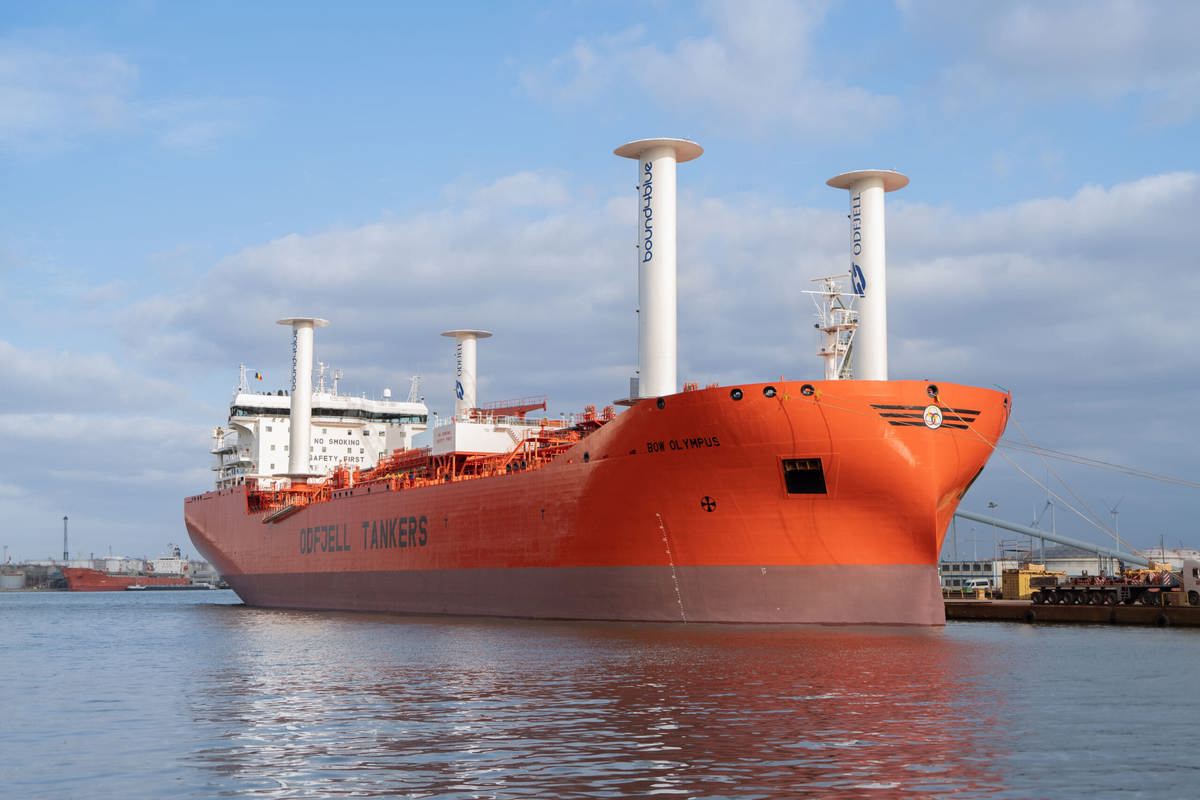 IMAGE: Rigid suction sail installed on Odfjell's chemical tanker Bow Olympus. Bound4blue
The past couple of months have seen a streak of developments around wind-assisted propulsion, spanning installations, orders, vessel launches, technology approvals and new trials.
These are not just small-scale demonstrations, with major shipping companies across multiple ship types now entering the field.
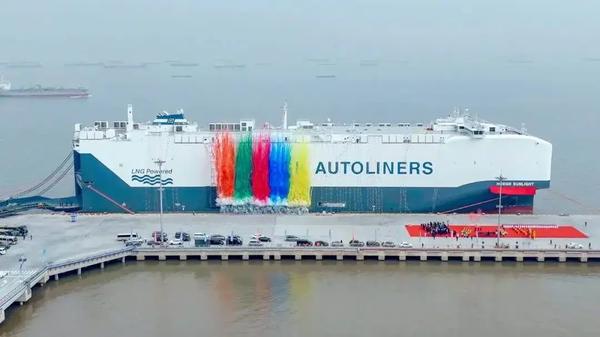
Maersk is preparing to fit a rotor sail on a container ship. Odfjell has ordered wind-assisted propulsion for a second tanker. Wallenius Lines is adding it to an LNG-capable dual-fuel vehicle carrier. MOL has launched an LNG carrier equipped with wind-assisted propulsion.
Bulkers, tankers, cargo ships and gas carriers are all getting some version of the technology.
It is still far too early to call wind-assisted propulsion mainstream. Just 99 vessels are currently equipped with the technology, according to DNV data. Bulkers account for the biggest share with 25 vessels, followed by general cargo ships and oil or chemical tankers with 24 each. There are also 11 ro-ro cargo ships and eight gas tankers fitted with the technology.
Those numbers are tiny against the size of the global merchant fleet. But wind-assisted propulsion is finding wider application across the industry.
Wind propulsion is, after all, one of the oldest technologies in shipping's book.
Be it the 1863 iron windjammer Star of India, the 1765 warship HMS Victory or the Spanish galleons of the 16th century, ships have harnessed wind to cross oceans for centuries. Even the fictional Black Pearl carried a certain Captain Jack Sparrow and his motley crew across the seas under its iconic black sails.
Now, sails are making a comeback in modern forms, with wind-assisted propulsion systems such as rotor sails, rigid wingsails and suction sails fitted to commercial vessels carrying everything from containers to LNG.
The timing is interesting too.
Shipowners are under pressure to improve energy efficiency and CII ratings, while several also have the broader ambition or requirement to ultimately cut emissions. Wind-assisted propulsion offers an old-fashioned answer to a very modern problem.
It is not a substitute for low- and zero-emission fuels. Ships still need engines and fuel to maintain speed and schedules over long hauls, manoeuvre in and out of ports and keep moving when weather conditions are unfavourable.
Nor does fitting a sail suddenly turn a conventionally fuelled vessel into a zero-emission one.
The technology’s attraction is much simpler. Wind can provide additional propulsion and help ships burn less fuel. And as the DNV numbers show, it can be used across a wide range of vessel types.
The recent installations reflect that versatility. Bound4blue installed four rigid suction sails on Marflet Marine's 50,000-dwt chemical tanker. German shipping company Leonhardt & Blumberg installed a system on its general cargo vessel Hansa Drejoe. OceanWings equipped the bulk carrier Maria Topic with a wind-assisted propulsion system.
The technology is also fuel-agnostic. Wind-assisted propulsion can be used alongside engines running on conventional fuel, LNG, methanol, biofuel or other fuels. Wallenius is adding it to an LNG-capable vessel, while Veer.Voyage has designed a sail-powered container ship backed by hydrogen fuel cells.
In an industry where uncertainty over the winning low- and zero-emission fuel can make investment decisions difficult, that flexibility has obvious appeal.
New concepts are also coming up. In September, Lloyd's Register assessed SunRui's technology, ClassNK granted approval in principle to OceanWings' rigid wingsail systems and Bureau Veritas assessed a new suction sail design from Bound4blue.
None of this means sails are about to sprout across the global fleet.
But while the industry works out what it will bunker in the decades ahead, one of its oldest engineering principles can help ships use less of whatever fuel eventually wins.
In other alt fuels news this week, a methanol dual-fuel container ship owned by Danish shipping company A.P. Moller-Maersk was bunkered with an unspecified quantity of 100% bio-ethanol at the Port of Houston in the US. Barge operator Kirby delivered the stem, sourced from biofuel producer POET, to the Tangier Maersk in a ship-to-ship bunker operation.
The European Commission must set a "quantifiable limit" for methane slip from LNG-powered dual-fuel ships under its sustainable investment criteria, according to Opportunity Green's reading of an EU General Court ruling.
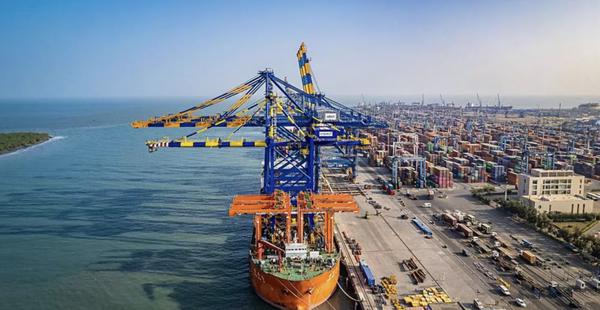
The production cost of e-methanol at the planned plant at Deendayal Port in Kandla, Gujarat, is estimated at $750/mt. This is a "much more competitive rate" compared with the global average e-methanol production cost of $1,300/mt, India's Ministry of Ports, Shipping and Waterways said.
By Konica Bhatt
Please get in touch with comments or additional info to news@engine.online