The Week in Alt Fuels: Owners keep their options open
The UK put a price on shipping emissions this week, while the global orderbook shows shipowners keep hedging across fuels rather than betting on one.
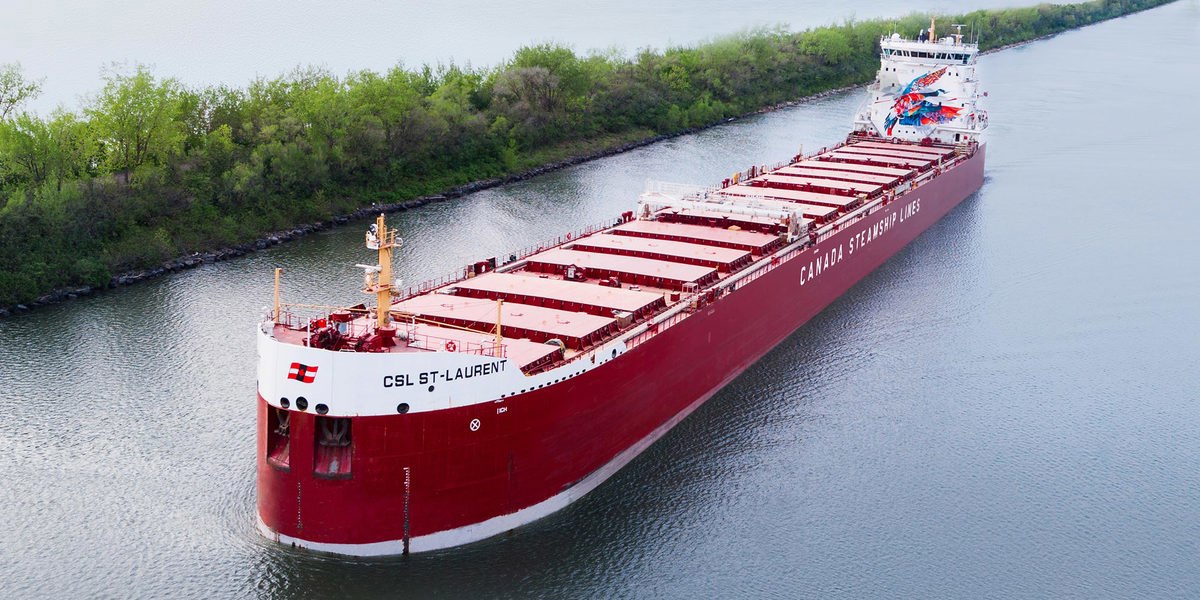 IMAGE: Canada Steamship Lines (CSL) operated 10 of its vessels on biofuel across Canada's Great Lakes between May and October 2025. It has also invested in methanol-ready and hybrid-battery vessels. CSL
A new emission regulation took effect on 1 July, as the UK Emissions Trading Scheme (UK ETS) began covering commercial ships of 5,000 GT and above for their emissions on domestic voyages, in port and at berth. It’s an incremental step rather than a turning point. The scheme reaches only a narrow slice of global shipping emissions, and it follows the broader IMO Carbon Intensity Indicator (CII), EU ETS and FuelEU Maritime rules that already shape fuel decisions across far more of the fleet.
The more telling signal this week was how owners are approaching fuel choice – keeping their options open rather than backing a single winner. Eastern Pacific Shipping (EPS) said alternative fuels made up a quarter of its fuel burn in 2025, spread across LNG, LPG, ethane and biofuel.
The picture in DNV's half-year orderbook was more cautious than committed. Alternative-fuelled vessel orders slipped to 134 from 155 a year earlier. While LNG led at 73, owners leaned on proven gas fuels like LPG, with the newer fuel options advancing more slowly. Malaysian tanker operator AET, which counts 22% of its fleet as dual-fuel-ready, or -capable, called that optionality "critical in today's quickly changing markets".
Regulation shaped the week's agenda beyond the UK too, pulling in opposite directions. US lawmakers revived the Next Generation Shipping Act, which would channel $1 billion a year through the US Maritime Administration (MARAD) to zero-emission vessels and "clean" fuels cutting emissions by at least 90% well-to-wake. The cost side, meanwhile, is already biting in Europe: Brittany Ferries is trimming its fleet as EU ETS charges and operating costs climb.
LNG held its lead in both the orderbook and the week's bunker deals. Gasum agreed a long-term contract to supply LNG – with drop-in liquefied biomethane (LBM) available – to Fjord1's ferries on a Norwegian coastal route, K-Line handed newbuild dual-fuel LNG carriers to Petronas, and Yang Ming took its third LNG dual-fuel vessel.
Regulatory clouds hang over LNG. Eurogas and 44 other firms and organisations, including CMA CGM and Shell, warned that an EU plan to rewrite renewable fuel accounting could cripple the "liquefaction by equivalence" route, raising compliance costs and choking LBM and e-LNG supply.
Ammonia's supply chain keeps edging from trials towards operations. Australia's Pilbara Ports Authority confirmed a first ammonia bunkering trial at Port Hedland later this year, tied to Fortescue's charter of 12 bulk carriers of 210,000 dwt from CMB.TECH's Bocimar. Three of these will be ammonia-capable by year-end, and nine will be ammonia-ready, allowing future retrofits to ammonia. On the engine side, Mitsui E&S is expanding its ammonia fuel supply system for testing, and Mitsubishi Shipbuilding won an order from Hitachi Zosen Marine Engine (HZME) for an ammonia fuel handling system.
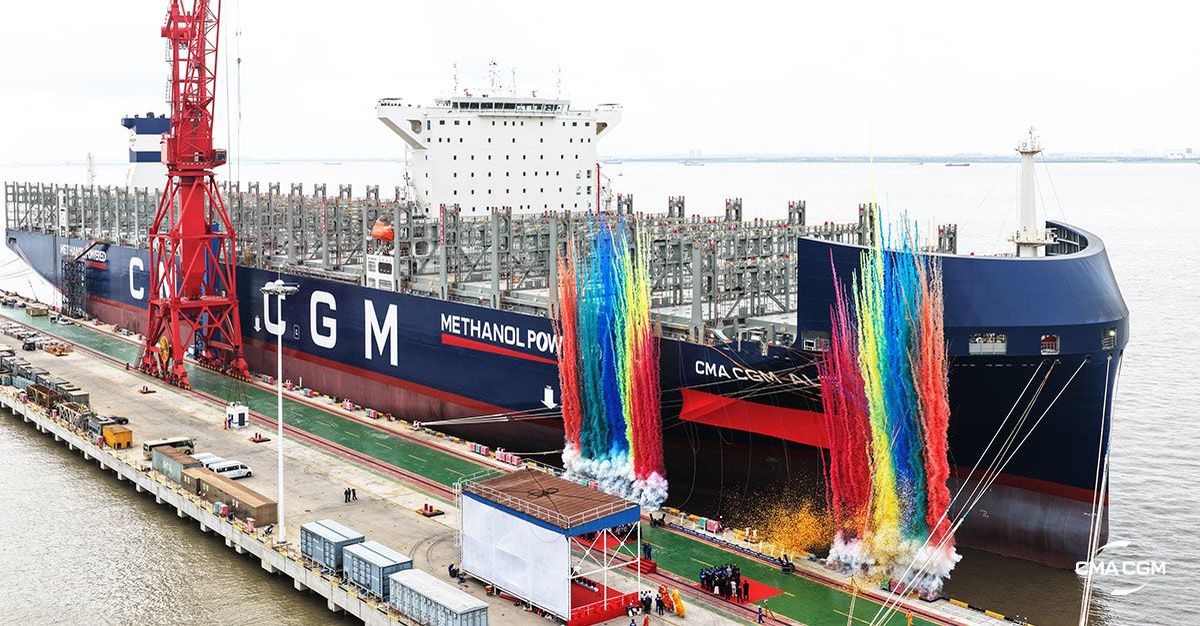
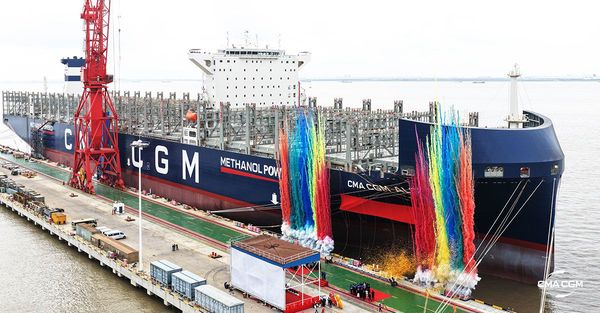
Methanol gained ground at both ends of the size range. CMA CGM took delivery of the fifth of six 15,000-TEU methanol dual-fuel boxships, part of a planned 24-ship methanol-capable fleet. Safe Bulkers launched its first methanol dual-fuel bulk carrier, which is due for delivery in October – a rare move as the current methanol fleet and orderbook are still overwhelmingly made up of container ships.
Biofuel drew fresh capital towards bunker supply. Glencore completed its majority-stake purchase of Dutch bunker supplier FincoEnergies, deepening its marine biodiesel position in the ARA region. Investment firm MarineFifty plans to invest up to €11 million ($13 million) in Danish firm Kvasir to scale bio-oil that drops into existing engines with no retrofit.
Elsewhere, a study flagged a shift towards electrification in Chinese inland cargo shipping, Kongsberg will lead an EU wind-propulsion project, and Belgian owner Exmar took delivery of an LPG dual-fuel gas carrier.
By Erik Hoffmann
Please get in touch with comments or additional info to news@engine.online