UAE departure slashes OPEC’s global market share – EIA
The UAE's withdrawal from OPEC has deprived the alliance of significant production potential while diminishing its collective market influence, according to the US Energy Information Administration (EIA).
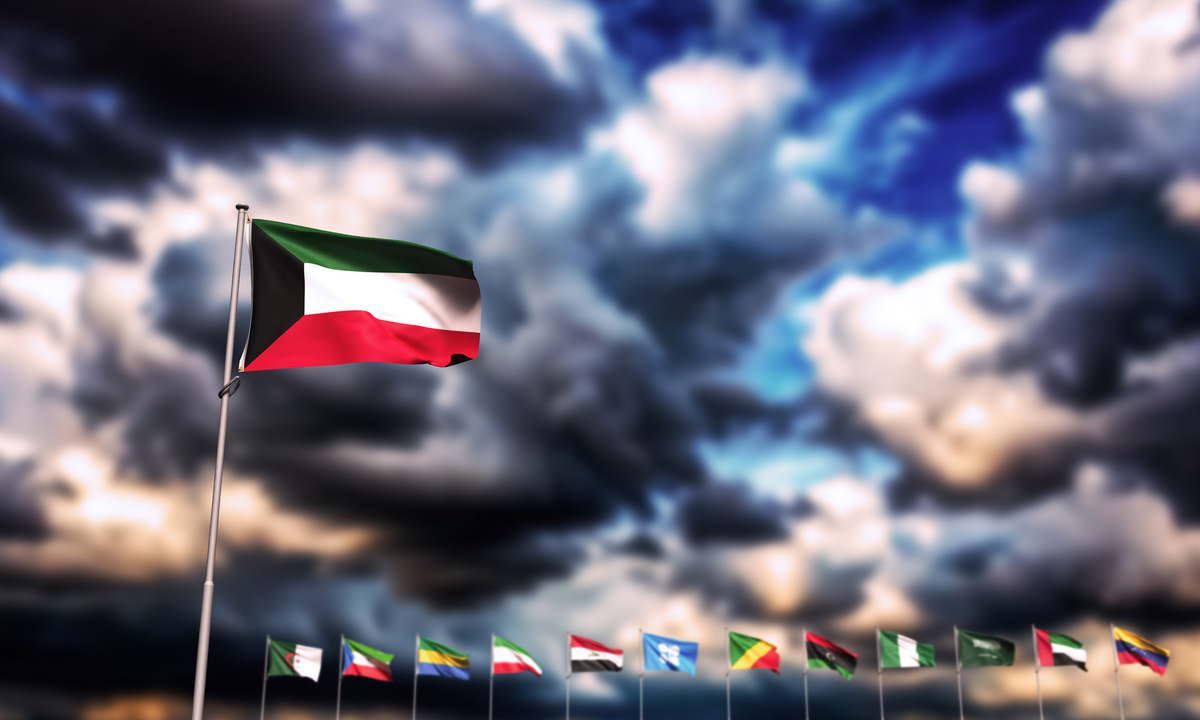 IMAGE: Getty Images
The UAE exited the alliance in May after the OPEC+ quota system restricted its output to 3.41 million b/d – far below the unconstrained capacity reported by the country’s national oil company Abu Dhabi National Oil Company (ADNOC).
Last year, the country held an estimated 4.2 million b/d of effective production capacity, according to the EIA.
Core-OPEC members collectively pumped an estimated 28 million b/d last year, accounting for 35% of total global crude output. “Without the UAE’s contribution, the group’s share of world total crude oil production would have been 31% in 2025,” the EIA said.
Considering the wider OPEC+ coalition, member-country output comprised approximately 46% of global production in 2025. Excluding the UAE, that figure drops to 42%. It is worth noting that more recent production agreements have exempted Iran, Venezuela, and Libya.
The UAE became OPEC’s third-largest producer in March, surpassing Iraq after the Middle East war disrupted Iraqi output. Within the broader OPEC+ group, the UAE ranks fourth, trailing Russia, Saudi Arabia, and Iran.
ADNOC aims to expand the nation’s crude production capacity to 5 million b/d by 2027, it said earlier.
As a primary architect of global supply, OPEC’s policy shifts exert significant influence over market volatility, meaning the UAE's exit fundamentally weakens the bloc’s leverage to steer Brent crude’s price.
By Aparupa Mazumder
Please get in touch with comments or additional info to news@engine.online