UAE will exit OPEC and OPEC+ from 1 May
“The UAE’s decision to exit OPEC reflects a policy-driven evolution aligned with long-term market fundamentals,” the country's energy minister Suhail Al Mazrouei said in a social media post.
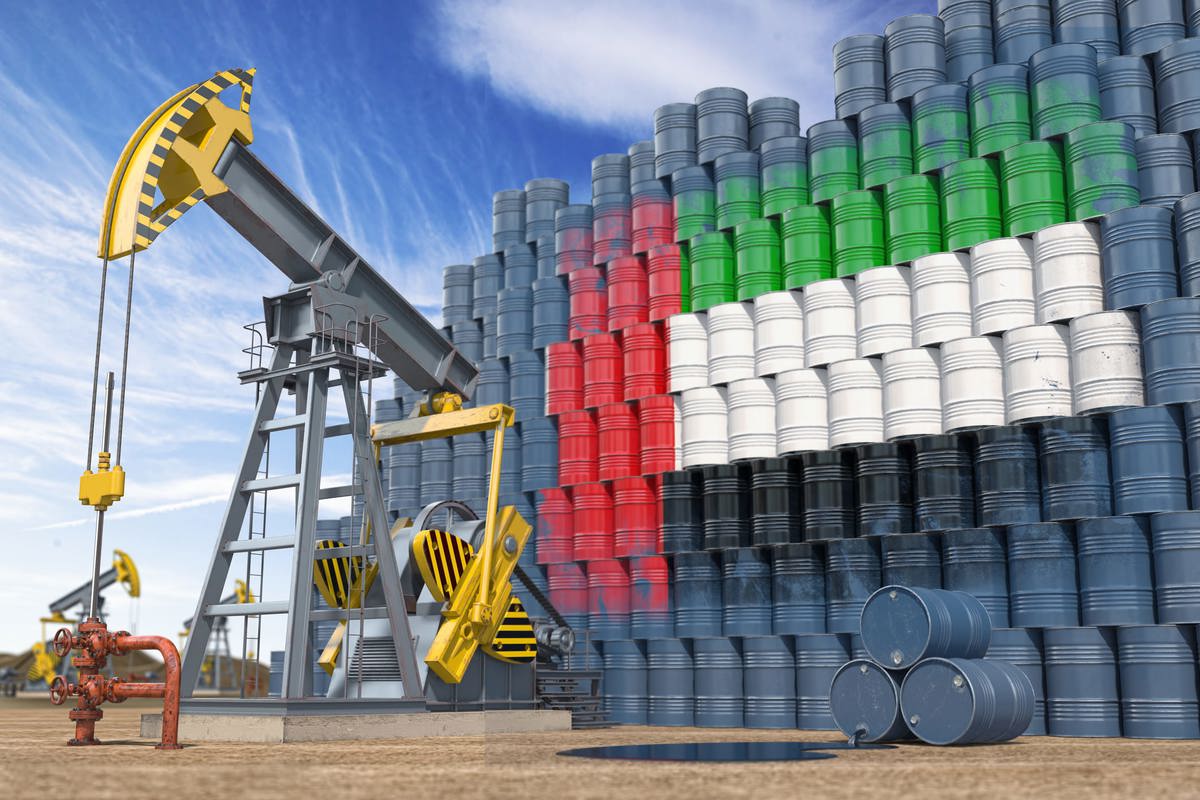 IMAGE: Oil barrels with UAE flag. Getty Images
The UAE’s national oil company, Abu Dhabi National Oil Company (ADNOC), has set a target to raise crude oil production capacity to 5 million b/d by 2027.
The UAE’s output is currently capped at 3.41 million b/d under the OPEC+ quota system, but its unconstrained production capacity is much higher at 4.85 million b/d, ADNOC says on its website.
Leaving OPEC will help the UAE expand output capacity by “bringing additional production to market in a gradual and measured manner, aligned with demand and market conditions,” the country's Ministry of Energy & Infrastructure said in a statement.
UAE’s role in OPEC
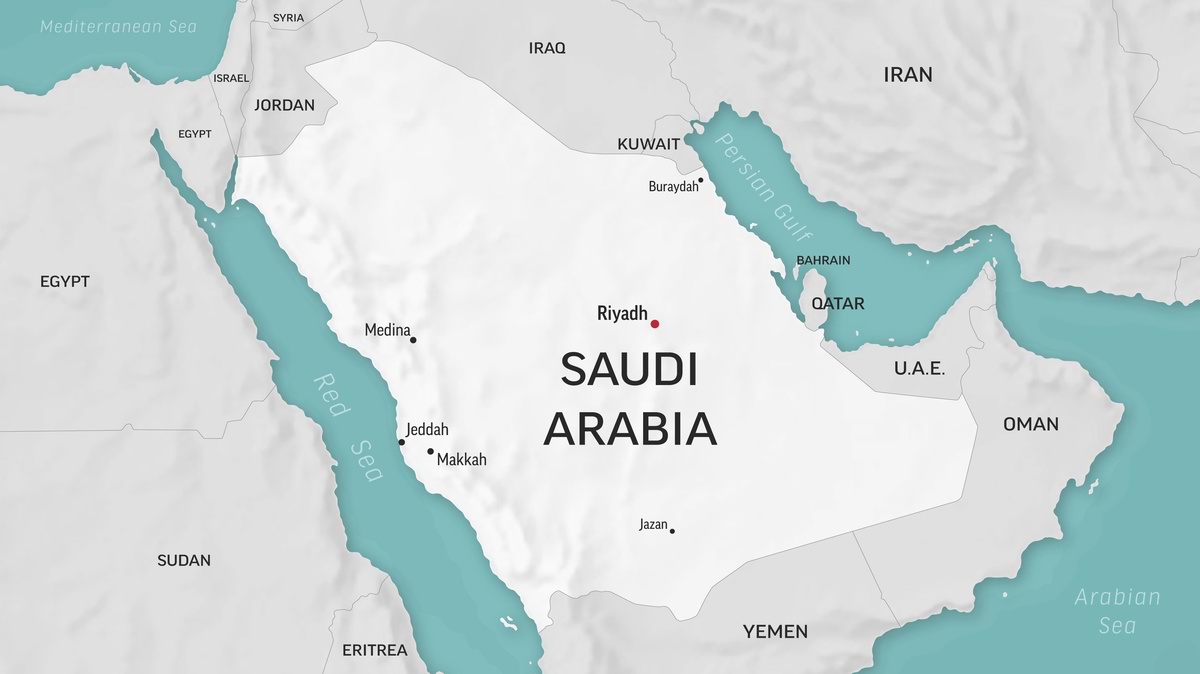
The UAE became OPEC’s third-largest producer in March, overtaking Iraq after the Middle East war curbed output in Iraq. Across the wider OPEC+ group, the UAE ranked fourth, behind Russia, Saudi Arabia and Iran.
Its crude oil production fell to 1.89 million b/d in March, according to OPEC.
By Konica Bhatt
Please get in touch with comments or additional info to news@engine.online