US agencies lay groundwork for nuclear shipping
The US Coast Guard (USCG) and the Nuclear Regulatory Commission (NRC) have signed a memorandum of understanding (MoU) to develop a regulatory framework for the use of nuclear technologies in commercial maritime operations.
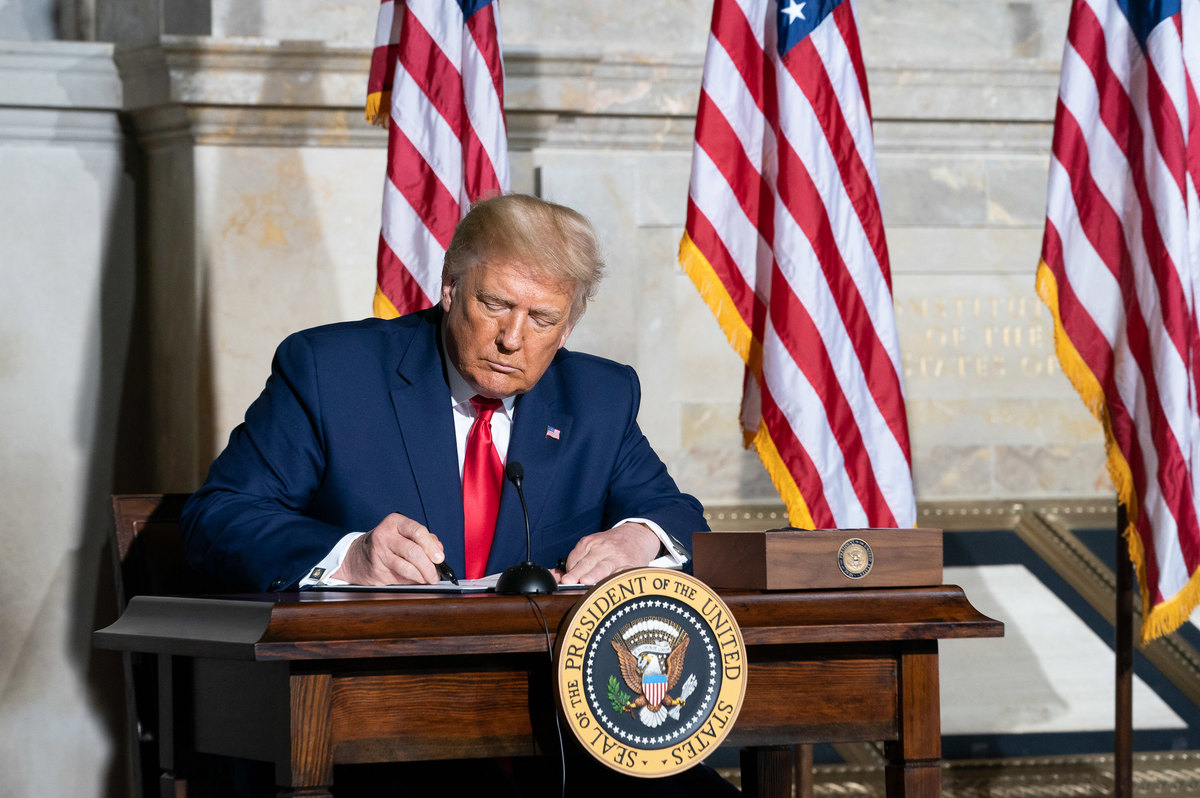 IMAGE: US President Donald Trump. Flicker of Trump White House Archives
The MoU will cover nuclear-powered vessels, floating nuclear power plants and other commercial maritime applications that use nuclear technologies.
The framework will include “requirements and processes for the design, fabrication, construction, and operation” of commercial maritime nuclear projects.
The NRC will be responsible for issuing design approvals, certifications, licences and permits for the construction, operation, deployment and decommissioning of nuclear reactors used in these applications.
It will also oversee all matters related to the radiological health, safety and security of onboard nuclear technologies.
"The NRC will review the design of all structures, systems, and components relied upon in the relevant application to perform a safety function as required by NRC regulations," the MoU states.
The USCG will be responsible for inspecting vessels and maritime facilities using nuclear technologies. Its responsibilities include compliance examinations, design and plan reviews, issuing approvals and certifications for vessel design, construction and operation and taking enforcement action where necessary.
"The USCG also has certain responsibilities related to the transfer, stowage, handling, discharge, and dumping of oil, hazardous substances, explosives, and other dangerous goods or substances by or between such vessels and maritime facilities," the MoU adds.
For environmental reviews, the NRC will act as the lead federal agency under the National Environmental Policy Act (NEPA). It will prepare environmental documents, such as Environmental Impact Statements (EIS) and Environmental Assessments (EA), and make the final determination on environmental impacts within its statutory authority.
The USCG will participate as a cooperating agency, providing technical expertise and supporting the environmental review process.
The MoU will remain in effect for 10 years and supersedes a previous agreement between the USCG and the Atomic Energy Commission that came into effect on 6 December 1973.
By Konica Bhatt
Please get in touch with comments or additional info to news@engine.online