Americas Market Update 3 Feb
Bunker fuel prices have moved in mixed directions, and bunkering operations at Zona Común are likely to face delays through Friday.
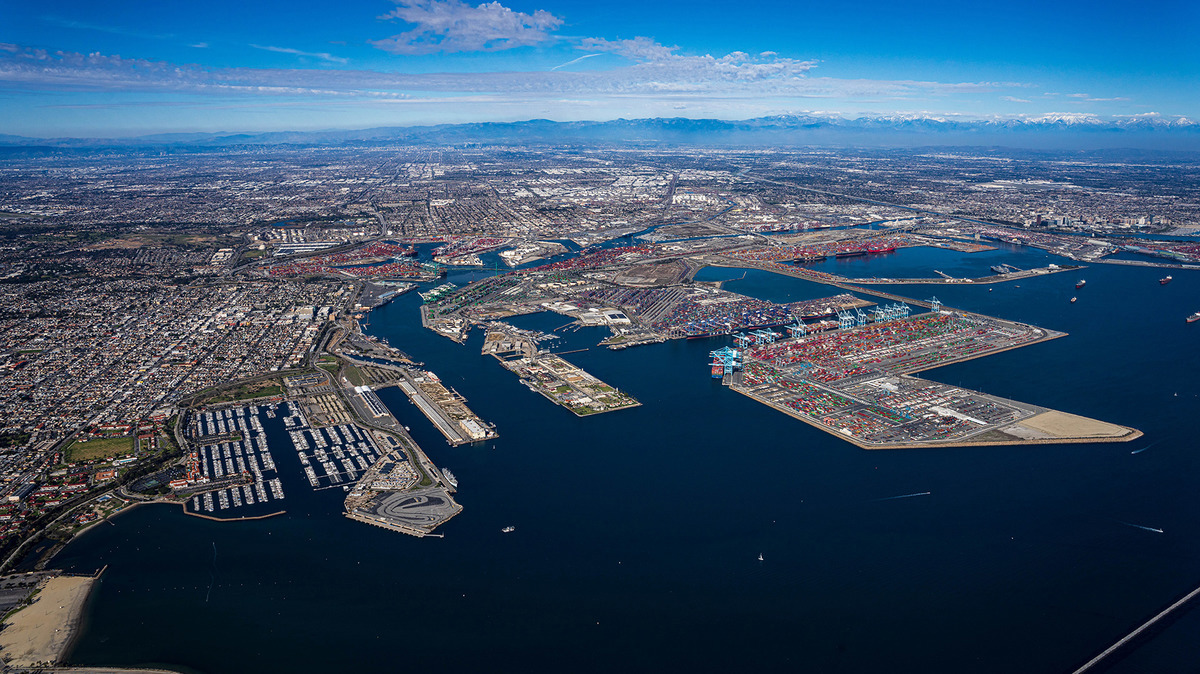 IMAGE: View of the entire Port of Los Angeles, US. Port of Los Angeles
Changes on the day to 07.00 CST (13.00 GMT) today:
- VLSFO prices up in New York ($35/mt), Balboa ($25/mt) and Zona Comun ($22/mt), and down in Houston ($1/mt)
- LSMGO prices up in Balboa ($41/mt) and New York ($4/mt), and down in Houston ($13/mt)
- HSFO prices up in New York ($27/mt), Houston and Balboa ($16/mt)
Balboa has recorded price gains across all three conventional fuel grades in the past day, with the port’s LSMGO price posting the highest gain across all ports and grades.
In Panama, HSFO availability is tight and requires lead times of 6–9 days this week, a source said. VLSFO availability is better and requires 5–7 days.
New York’s VLSFO price has risen, while Houston’s has declined, putting New York at a $75/mt premium to Houston.
Although, weather-related disruptions impacted bunker deliveries at the New York harbour last week, the weather has improved since, allowing for bunkering to continue, a trader said.
In Argentina’s Zona Común, high wind gusts are expected to cause prolonged delays from tomorrow through Friday.
Brent
The front-month ICE Brent contract has gained by $0.70/bbl on the day, to trade at $66.60/bbl at 07.00 CST (13.00 GMT) today.
Upward pressure:
Brent’s price has felt some upward pressure after Washington and New Delhi struck a deal yesterday, that is expected to reduce US tariffs on Indian imports from 25% to 18%.
US President Donald Trump said that India has agreed to buy more US oil and reduce its imports of Russian crude.
If implemented, the move could force Moscow to reduce output, ultimately tightening the global market, according to two analysts from ING Bank.
Moreover, lower tariffs have eased concerns over further trade restrictions between the world’s two major oil consumers, reducing fears of a drag on global economic growth.
Downward pressure:
Brent crude has extended recent losses as geopolitical concerns from the Middle East continue to ease.
Earlier this week, Trump said Iran is “seriously talking” with Washington. “Oil prices have fallen due to reduced risk after President Trump stepped back from attacking Iran,” Price Futures Group’s senior market analyst Phil Flynn said.
Iran is the fourth-largest OPEC member, producing around 3.2 million b/d of crude oil. A US military intervention could potentially threaten oil supply flows from the Middle East, according to market analysts.
“President Trump downplayed threats from Iran’s supreme leader, Ayatollah Ali Khamenei, of a regional war, reiterating that he’s hopeful they’ll make a deal,” remarked ANZ Bank’s senior commodity strategist Daniel Hynes.
By Gautamee Hazarika and Aparupa Mazumder
Please get in touch with comments or additional info to news@engine.online