East of Suez Market Update 13 Mar
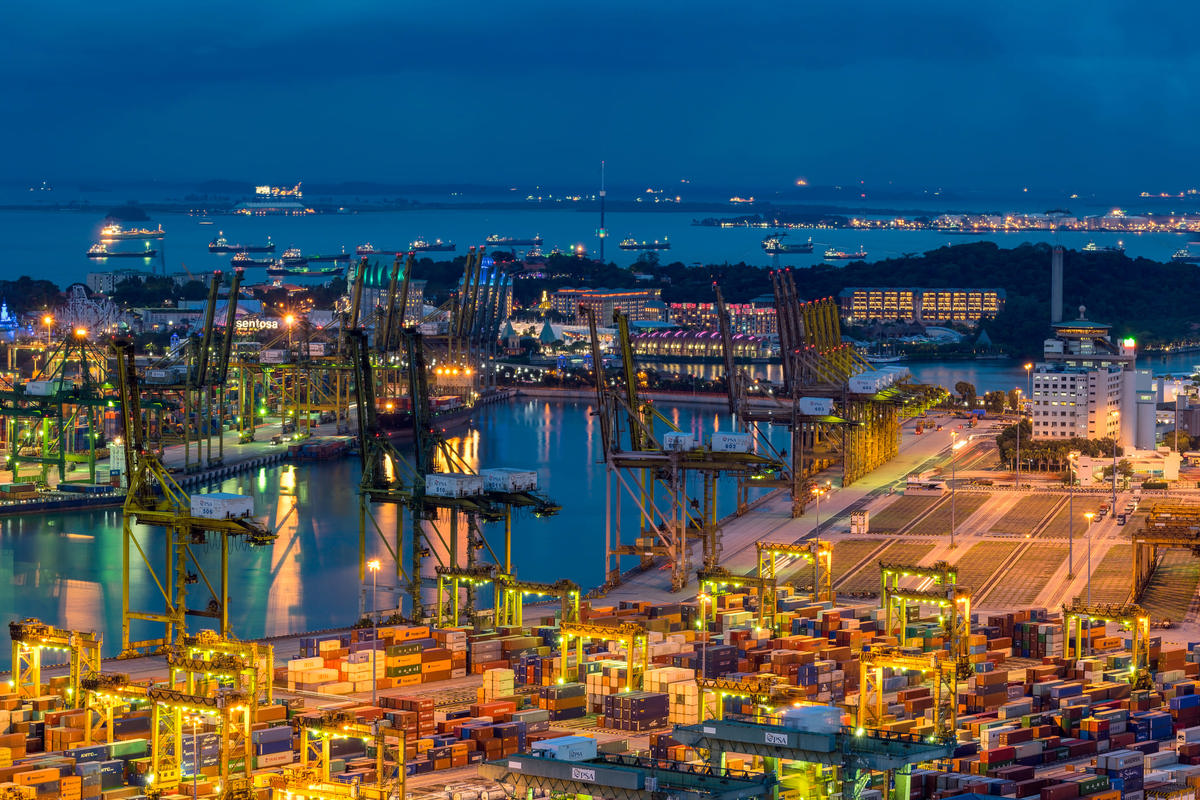
Most prices in East of Suez ports have moved up, and bunker supply is tight in Singapore.
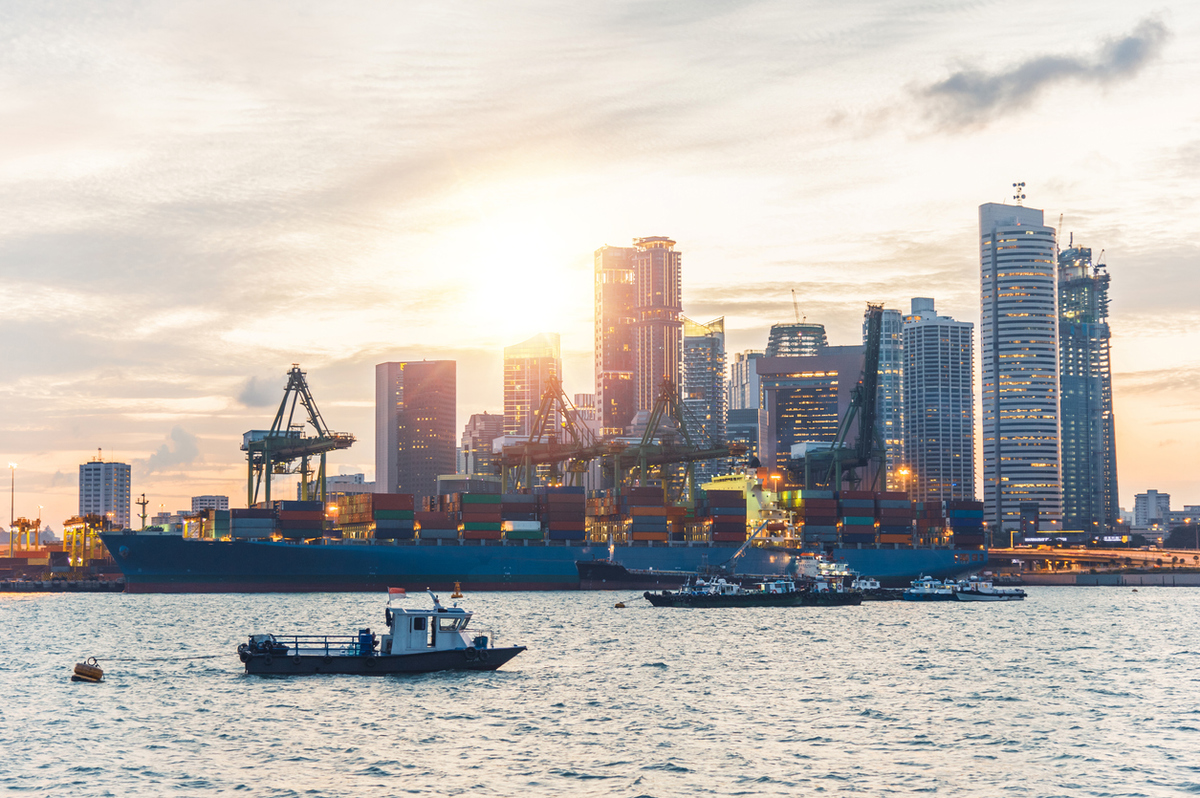 IMAGE: Logistics and transportation of container and cargo ships with a crane in Singapore. Getty Images
Changes on the day to 17.00 SGT (09.00 GMT) today:
- VLSFO prices up in Fujairah ($24/mt), Singapore ($22/mt), and down in Zhoushan ($61/mt)
- LSMGO prices up in Singapore ($44/mt), Fujairah ($28/mt), and down in Zhoushan ($200/mt)
- HSFO prices up in Zhoushan ($77/mt), Fujairah ($53/mt) and Singapore ($24/mt)
- B30-VLSFO prices up in Singapore ($47/mt)
VLSFO prices in both Fujairah and Singapore have risen over the past day, while the grade's price in Zhoushan has declined.
The price rise in Singapore has been driven largely by escalating tensions in the Middle East, which have disrupted tanker movements and fuel oil flows through the Strait of Hormuz. The conflict has also pushed Brent crude's price higher, lifting refined fuel prices globally. At the same time, uncertainty over incoming cargoes has tightened prompt supply in Singapore, while vessels are increasingly choosing to bunker earlier or in larger quantities to avoid potential disruptions. The combined effect of higher crude prices, constrained fuel oil supply and precautionary demand has supported the rise in Singapore’s VLSFO price.
Lead times for VLSFO in Singapore have extended to around 12–16 days, up from 7–11 days last week. LSMGO supply has tightened even more sharply, with recommended lead times stretching to 13–17 days, compared with 4–11 days in the previous week, according to a source.
HSFO availability has also tightened, with lead times increasing to 11–15 days, from 8–11 days a week earlier.
Brent
The front-month ICE Brent contract has gained by $2.30/bbl on the day, to trade at $100.19/bbl at 17.00 SGT (09.00 GMT) today.
Upward pressure:
Brent crude’s price has moved above $100/bbl this week amid persisting tensions across the Persian Gulf.
Iran will continue blocking the Strait of Hormuz – which handles 20-25% of global seaborne oil trade daily – the BBC reported, referring to a statement by Iran’s newly appointed Supreme Leader Mojtaba Khamenei.
“Iran launched a new offensive, targeting ships and ports in the Persian Gulf, underscoring the widening threat to energy supply,” ANZ Bank’s senior commodity strategist Daniel Hynes said.
The US forces have struck more than 60 Iranian vessels since the beginning of the conflict on 28 February, the US Central Command (CENTCOM) official Brad Cooper said.
“The clock is ticking for the oil markets, with developments in the Persian Gulf choking off as much as 20 million barrels a day of oil supply,” ING Bank’s head of commodities strategy Warren Patterson said.
Downward pressure:
The International Energy Agency (IEA) has agreed to release 400 million bbls of crude oil from strategic reserves as the US-Israeli conflict with Iran continues to disrupt oil flows through the Persian Gulf.
This is the sixth time a coordinated emergency stock release is occurring in the IEA’s history, the agency said, adding that all 32 member countries have backed the move.
Individual allocations from member countries have yet to be detailed. The US, however, will contribute 172 million bbls from its Strategic Petroleum Reserve (SPR) as part of the IEA-led effort, the US Department of Energy (DoE) said in a statement.
“It’s a record amount, eclipsing the 182m barrel [182 million bbls] emergency release from 2022. We're still waiting for the IEA to provide full details of the release,” ING Bank’s analysts said.
By Tuhin Roy and Aparupa Mazumder
Please get in touch with comments or additional info to news@engine.online