ARA availability tightens as Hormuz disruption drags on
Loading delays and disrupted fuel blending have tightened bunker availability and increased lead times in the ARA.
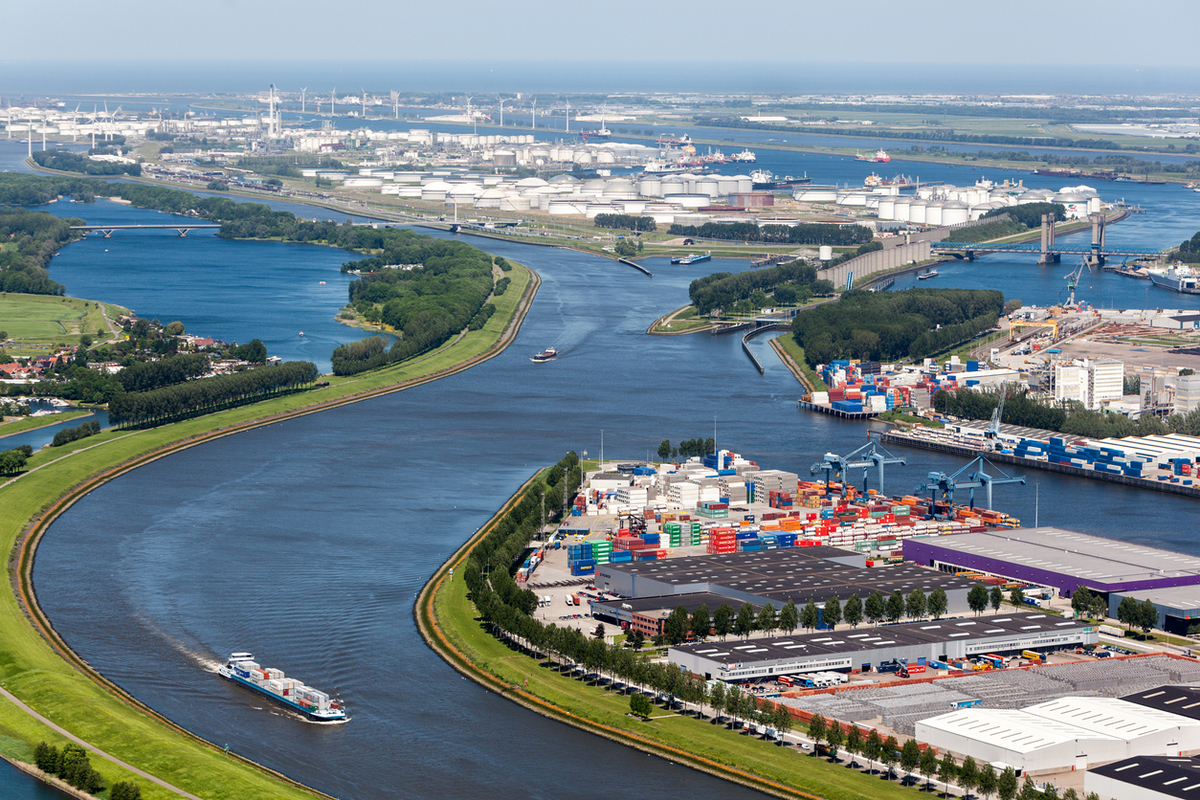 IMAGE: The Europoort area in the Port of Rotterdam. Getty Images
VLSFO and HSFO lead times have doubled in the ARA in the last two weeks. Buyers are being advised to book VLSFO and HSFO stems around 10 days in advance to get competitive offers, a trader told ENGINE.
That is up from recommended lead times of 4-5 days in mid-May. LSMGO deliveries require about six days of notice.
Bunker supplier Peninsula said it has observed increasing signs of strain in the ARA market. Apart from loading delays, tighter availability of blending components is also impacting the ability to produce on-spec fuels consistently, a Peninsula spokesperson told ENGINE.
That is translating into tight prompt availability across HSFO, VLSFO and LSMGO products.
Peninsula said that while local operational factors like terminal congestion could increase lead times, global supply disruptions caused by the closure of the Strait of Hormuz is the main driver for the disruption.
Curbed and redrawn global crude and product supply flows have resulted in tight availability of blending components.
“Geopolitical developments, including disruption to flows linked to the Strait of Hormuz, are contributing to this tightening by affecting feedstock availability and trade flows into Europe,” Peninsula said.
The spokesperson added that the company’s ability to import its own cargoes and using its dedicated terminal infrastructure at Chane in Rotterdam is helping it avoid many of the constraints affecting the wider market.
The latest Insights Global data shows that the ARA’s fuel oil stocks averaged 15% lower in May than in April.
The 3.7 million bbls fuel oil stock average in May was 43% less than in February, which was the month before the war started in the Middle East. May’s monthly average was the lowest in 11 years.
Gasoil inventories dropped 6% from April to 13.60 million bbls in May. The two-year low measured in May was 16% below February's average.
Rotterdam's conventional bunker sales fell by 25% from the fourth quarter of 2025 to the first quarter this year. The port authority said that the impact of the Strait of Hormuz blockage was not fully reflected in first-quarter bunker figures, but expects it to be more visible in the figures for the second quarter.
By Nachiket Tekawade
Please get in touch with comments or additional info to news@engine.online