East of Suez Market Update 14 July
Bunker prices across East of Suez ports have risen, and VLSFO availability is tight in Singapore.
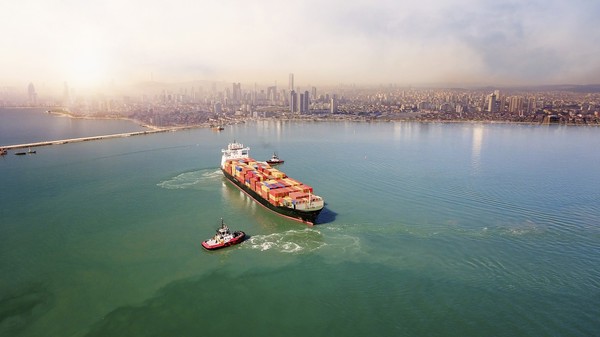
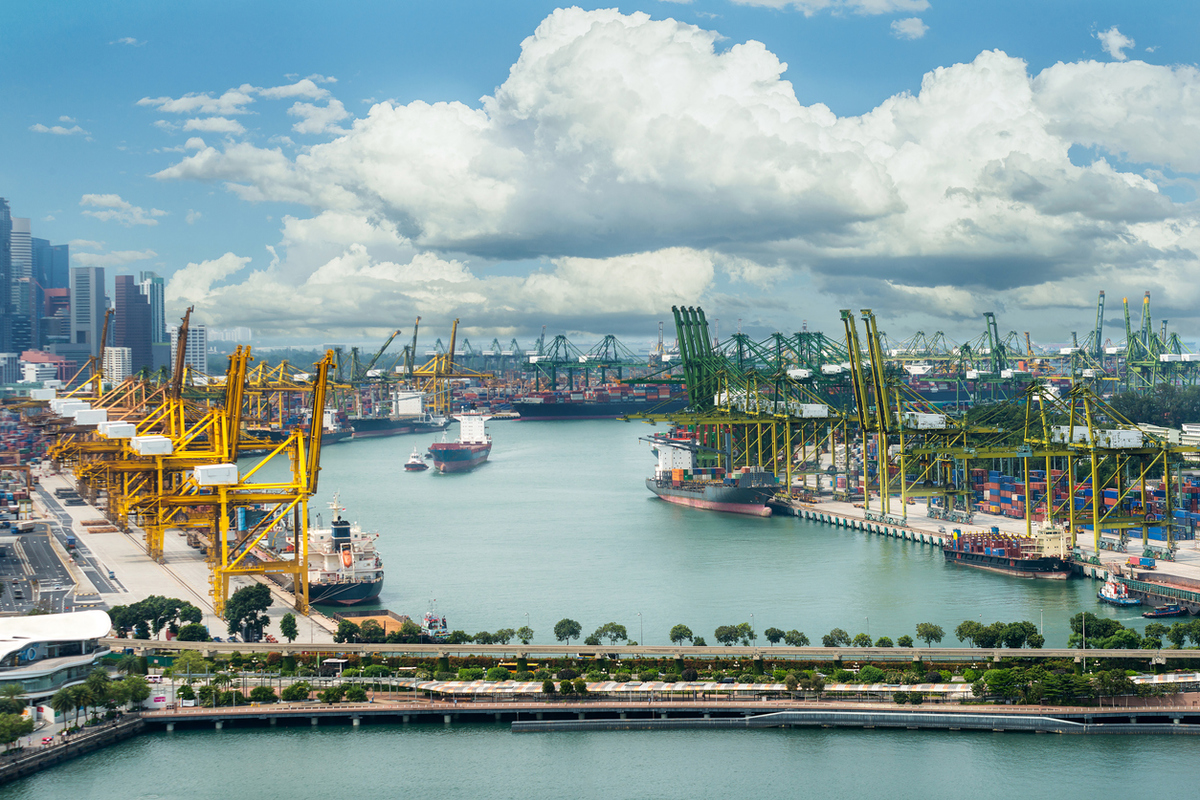 IMAGE: Cargo terminal at the Port of Singapore. Getty Images
Changes on the day to 17.00 SGT (09.00 GMT) today:
- VLSFO prices up in Singapore ($100/mt), Zhoushan ($84/mt) and Fujairah ($78/mt)
- LSMGO prices up in Zhoushan ($139/mt), Fujairah ($100/mt) and Singapore ($82/mt)
- HSFO prices up in Zhoushan ($64/mt), Singapore ($62/mt) and Fujairah ($49/mt)
- B30-VLSFO price up in Singapore ($121/mt)
Singapore’s VLSFO price has jumped by $100/mt over the past day, marking the largest increase among the three major Asian bunker hubs. Consequently, its VLSFO premium over Zhoushan has widened by $16/mt to $25/mt, while its previous discount to Fujairah has disappeared.
Singapore’s HSFO price has risen by a more modest $62/mt, pushing the port’s Hi5 spread up from $199/mt to $237/mt. The spread remains the widest among the three major Asian ports, compared with $227/mt in Fujairah and $201/mt in Zhoushan.
VLSFO availability in Singapore remains tight, with several suppliers running low on stocks. Recommended lead times have extended from 13–17 days last week to 15–18 days now.
Meanwhile, HSFO availability has improved slightly, with lead times narrowing from 11–19 days a week ago to 10–12 days now. LSMGO supply has also improved, with recommended lead times shortening from 8–10 days to 6–9 days.
In Malaysia’s Port Klang, bunker fuel availability remains mixed. VLSFO supply is generally adequate, particularly for smaller prompt stems. However, LSMGO availability remains constrained, while HSFO continues to face supply pressure, leaving both grades relatively tight.
Brent
The front-month ICE Brent contract has soared by $9.30/bbl on the day, to trade at $87.20/bbl at 17.00 SGT (09.00 GMT) today.
Upward pressure:
Brent crude has vaulted higher, gaining nearly $10/bbl on the day, as hostilities in the Strait of Hormuz continued to intensify over the weekend and into this week.
The US Central Command (CENTCOM) has struck Iran again, after President Donald Trump reimposed the blockade on vessel movement in and out of Iranian ports.
“The return of the US blockade is much more impactful for markets than the previous suspension of the sanction waiver on Iranian oil,” two analysts from ING Bank said.
Additionally, the US has proposed a fee equivalent to 20% of a cargo's value to escort vessels through the Strait of Hormuz.
A 20% fee on a vessel carrying about 2 million bbls at $80/bbl will be “equivalent to around $32m [$32 million] or an additional cost of $16/bbl,” ING Bank’s analysts estimated. “This is significantly higher than the $1/bbl toll for which Iran has been pushing,” they added.
Downward pressure:
While there are no significant downward pressures acting on Brent’s price today, market analysts are cautious of weakening global crude oil demand.
The Organization of the Petroleum Exporting Countries (OPEC) has reduced its global oil demand growth projection for 2026 to about 800,000 b/d, around 200,000 b/d lower than its previous estimate.
The Paris-based International Energy Agency (IEA) expects global oil demand to decline by 1 million b/d in 2026 – stopping short of providing an average global oil demand forecast.
Global oil demand is expected to decline this year as geopolitical unrest in the Middle East continues to impact markets across various products and regions.
By Tuhin Roy and Aparupa Mazumder
Please get in touch with comments or additional info to news@engine.online