Europe & Africa Market Update 14 July
Regional bunker price benchmarks have soared, and prompt fuel availability is tight amid high congestion in Gibraltar.
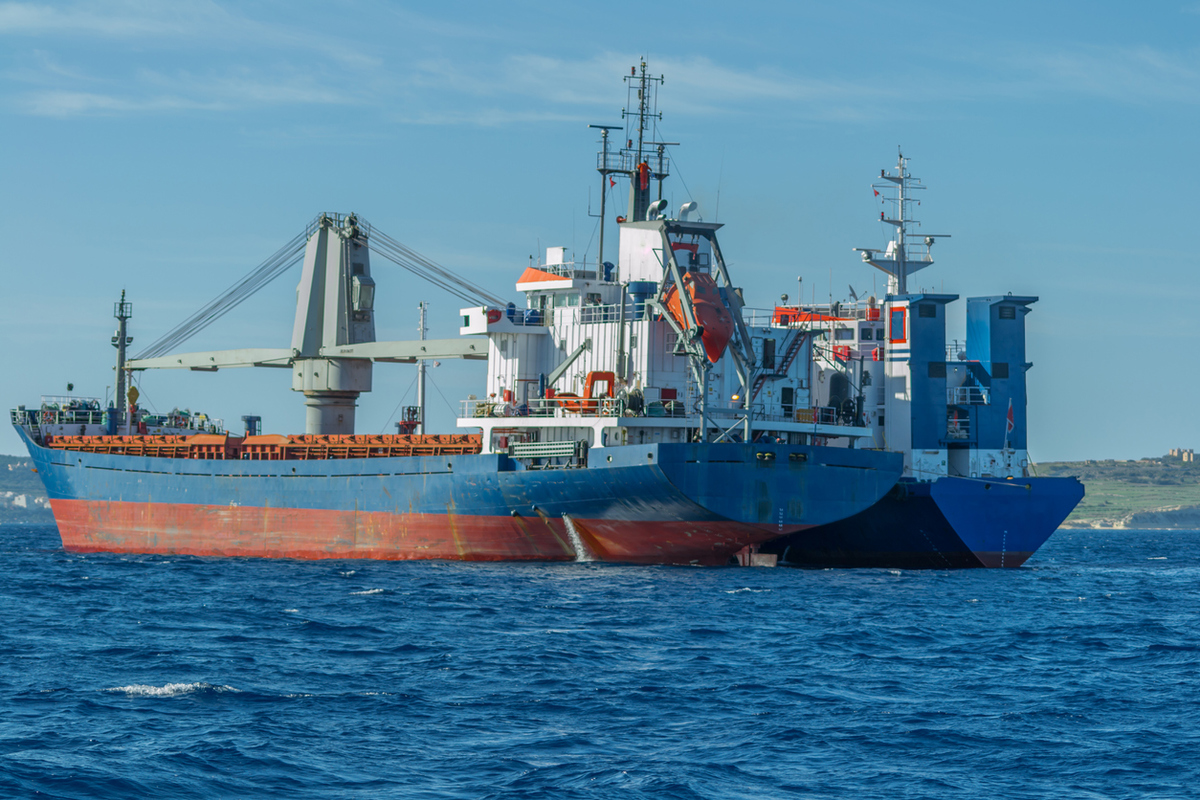
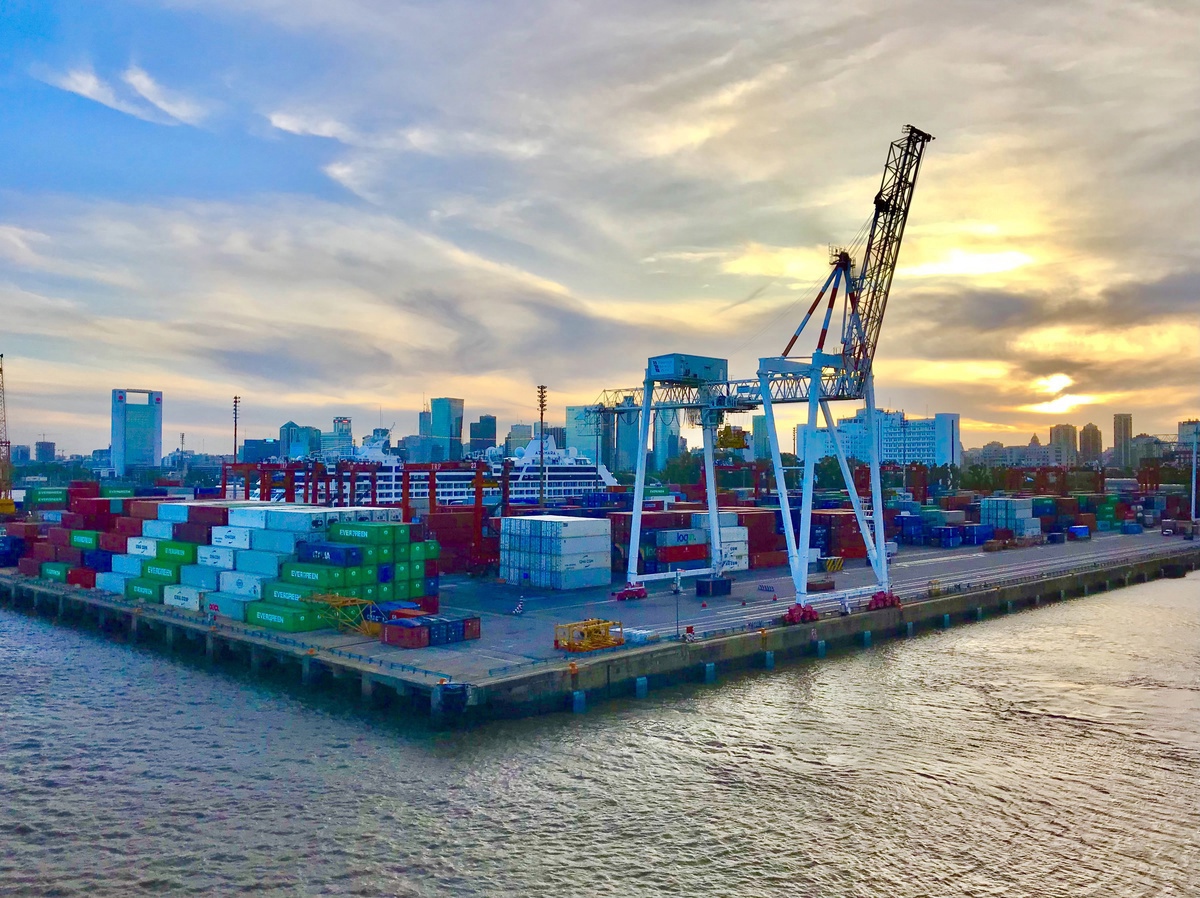
 IMAGE: Aerial view of the Bay of Gibraltar. Getty Images
Changes on the day to 09.00 GMT today:
- VLSFO prices up in Rotterdam ($61/mt), Gibraltar ($58/mt) and Durban ($52/mt)
- LSMGO prices up in Rotterdam ($120/mt), Durban ($111/mt) and Gibraltar ($95/mt)
- HSFO prices up in Durban ($78/mt), Rotterdam ($55/mt) and Gibraltar ($50/mt)
- B30-VLSFO prices up in Gibraltar ($90/mt) and Rotterdam ($87/mt)
Rotterdam’s LSMGO price has increased more sharply than Gibraltar’s LSMGO price. Two 50-150 mt stems, fixed between $1,035-1055/mt, have provided additional support to the benchmark.
Consequently, Gibraltar’s LSMGO price premium over Rotterdam has narrowed by $25/mt in the past day.
Algeciras’ LSMGO price has also increased more sharply than Gibraltar, rising around $138/mt in the past session. Algeciras’ benchmark has flipped to a $12/mt premium over Gibraltar today, compared to a $31/mt discount observed yesterday.
Fuel availability is tight in the Gibraltar Strait ports for prompt delivery dates, with buyers advised to book stems around seven days in advance to get good coverage, a trader said.
Ships calling in Gibraltar for bunkers are facing congestion due to lack of sufficient space for the vessels, with around 22 vessels queued up for bunkers as of Tuesday morning, port agent MH Bland said.
Some suppliers are lagging around 24-36 hours behind schedule on deliveries, the port agent added.
Brent
The front-month ICE Brent contract has soared by $9.30/bbl on the day, to trade at $87.20/bbl at 09.00 GMT.
Upward pressure:
Brent crude has vaulted higher, gaining nearly $10/bbl on the day, as hostilities in the Strait of Hormuz continued to intensify over the weekend and into this week.
The US Central Command (CENTCOM) has struck Iran again, after President Donald Trump reimposed the blockade on vessel movement in and out of Iranian ports.
“The return of the US blockade is much more impactful for markets than the previous suspension of the sanction waiver on Iranian oil,” two analysts from ING Bank said.
Additionally, the US has proposed a fee equivalent to 20% of a cargo's value to escort vessels through the Strait of Hormuz.
A 20% fee on a vessel carrying about 2 million bbls at $80/bbl will be “equivalent to around $32m [$32 million] or an additional cost of $16/bbl,” ING Bank’s analysts estimated. “This is significantly higher than the $1/bbl toll for which Iran has been pushing,” they added.
Downward pressure:
While there are no significant downward pressures acting on Brent’s price today, market analysts are cautious of weakening global crude oil demand.
The Organization of the Petroleum Exporting Countries (OPEC) has reduced its global oil demand growth projection for 2026 to about 800,000 b/d, around 200,000 b/d lower than its previous estimate.
The Paris-based International Energy Agency (IEA) expects global oil demand to decline by 1 million b/d in 2026 – stopping short of providing an average global oil demand forecast.
Global oil demand is expected to decline this year as geopolitical unrest in the Middle East continues to impact markets across various products and regions.
By Nachiket Tekawade and Aparupa Mazumder
Please get in touch with comments or additional info to news@engine.online