East of Suez Market Update 30 July
Prices in East of Suez ports have moved up, and availability across all grades is tight in Malaysia’s Port Klang.
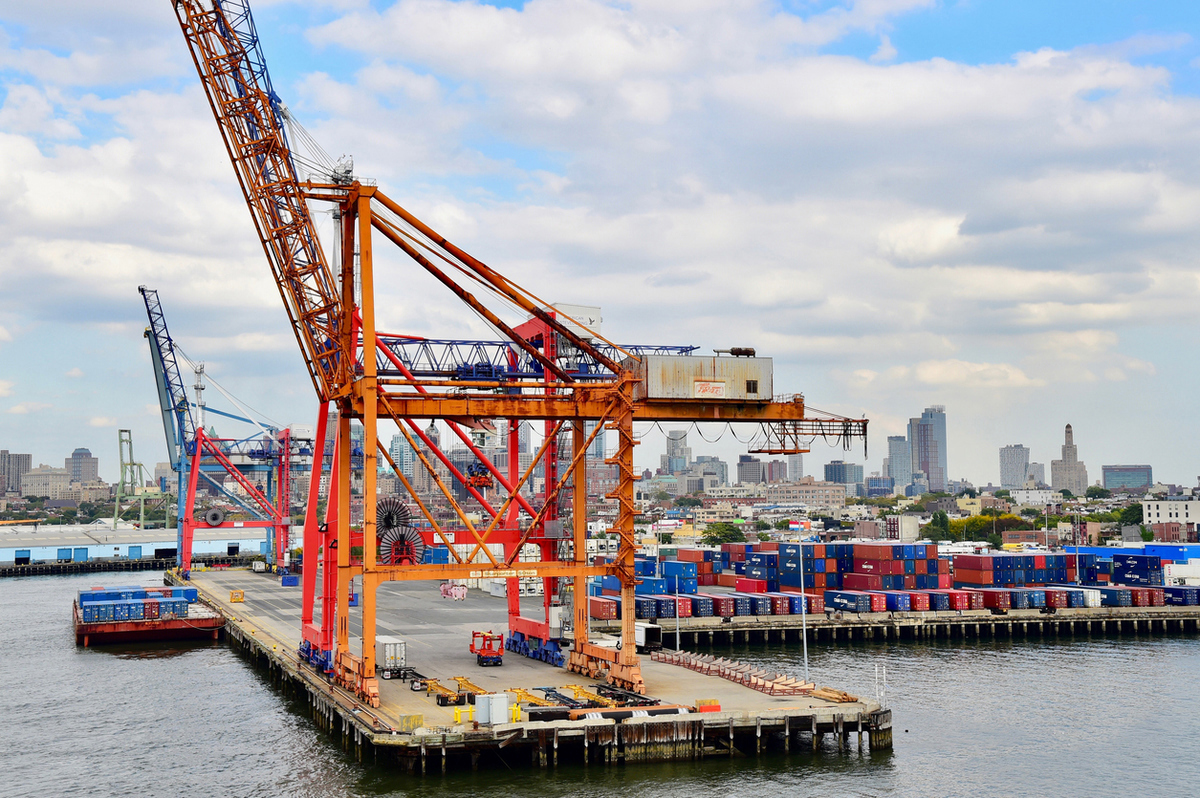
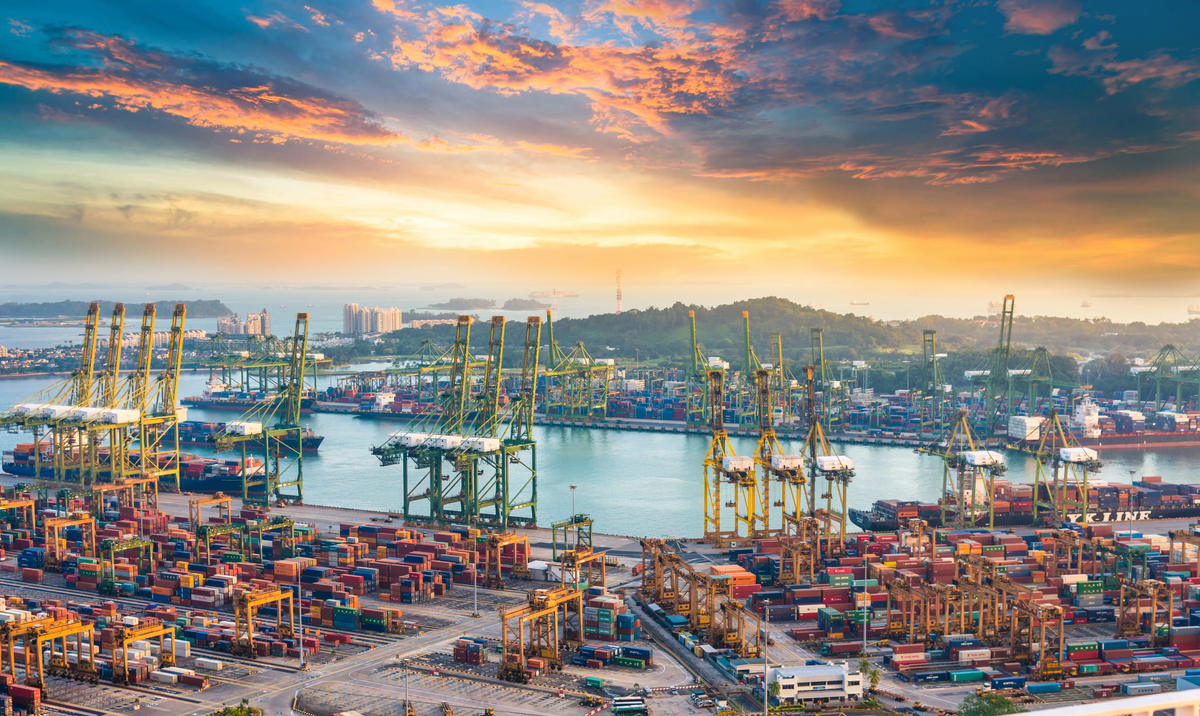 IMAGE: Container ship with working crane bridge in shipyard in Singapore. Getty Images
Changes on the day to 17.00 SGT (09.00 GMT) today:
- VLSFO prices up in Singapore ($49/mt), Fujairah ($31/mt) and Zhoushan ($3/mt)
- LSMGO prices up in Singapore ($104/mt), Fujairah ($69/mt) and Zhoushan ($60/mt)
- HSFO prices up in Singapore ($40/mt), Zhoushan ($26/mt) and Fujairah ($17/mt)
- B30-VLSFO price up in Singapore ($58/mt)
Singapore’s VLSFO price has surged by $49/mt over the past day, marking the steepest increase among the three major Asian bunker ports. It is now priced at premiums of $12/mt over Zhoushan and $3/mt over Fujairah.
VLSFO availability in Singapore has tightened further, with suppliers now recommending lead times of 16-20 days, up from 14-19 days last week. Supply remains under strain as the port's fuel oil inventories have not yet recovered to pre-conflict levels, while cargo inflows continue to be disrupted by renewed US-Iran hostilities affecting traffic through the Strait of Hormuz.
HSFO supply has also tightened, with recommended lead times extending to 12-15 days from 9-13 days a week earlier. In contrast, LSMGO availability has improved, with lead times easing to 5-8 days, compared with 9-11 days last week.
In Malaysia's Port Klang, bunker fuel availability remains constrained. Prompt VLSFO supply is tight, LSMGO availability is limited, and HSFO continues to face supply pressure.
Brent
The front-month ICE Brent contract has gained by $4.56/bbl on the day, to trade at $91.66/bbl at 17.00 SGT (09.00 GMT) today.
Upward pressure:
Renewed fighting between the US and Iran has sent Brent crude’s price higher once again.
The US Central Command (CENTCOM) has struck Iranian military sites, including missile facilities and maritime capabilities, erasing hopes of any de-escalation in the region.
Moreover, Tehran has rejected Oman’s proposal to evenly share control of the shipping lanes in the Strait of Hormuz, seeking complete control of the critical oil chokepoint, Reuters reported.
There is also news that Yemen’s Iran-backed Houthi militants plan to impose fees on commercial vessels navigating the Bab al-Mandeb Strait – another important oil transit routes in the region.
“The daily question has been whether crude can still leave the Gulf and whether the next headline will remove another few million barrels from the global supply map,” SPI Asset Management managing partner Stephen Innes noted.
Downward pressure:
While there are no immediate downward pressures acting on Brent crude’s price today, market analysts are watching closely for even the smallest hint of de-escalation in the Middle East.
Earlier this week, US President Donald Trump said that Washington and Tehran have engaged in talks and that there is a “good chance” of a peace deal.
“Even in the event of a deal, one would expect that the market will need to continue to price in a large risk premium, given that recent events have demonstrated how quickly a deal can unravel,” two analysts from ING Bank noted.
By Tuhin Roy and Aparupa Mazumder
Please get in touch with comments or additional info to news@engine.online