Los Angeles and Long Beach methanol bunker demand could reach 250,000 mt/year by 2030 - study
Annual methanol bunker demand at the ports of Los Angeles and Long Beach could be anywhere from 64,000-250,000 mt by 2030, a feasibility study by the two ports has found.
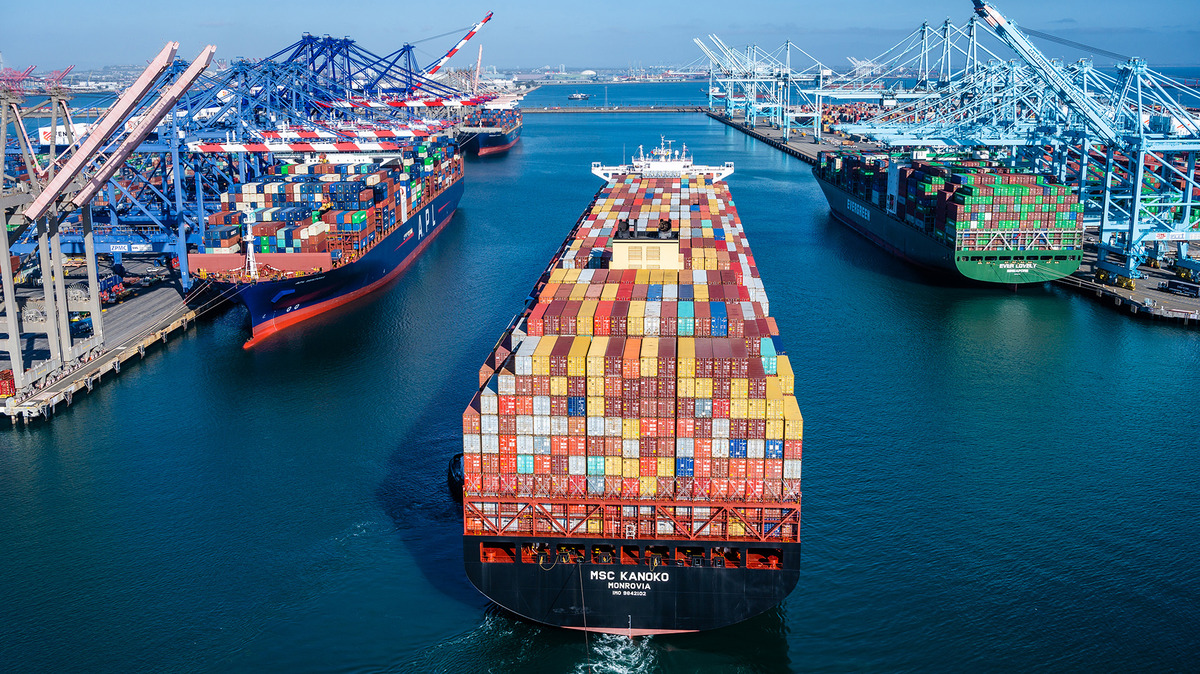 IMAGE: Busy container traffic in Los Angeles' Pier 300 Channel. Port of Los Angeles
LNG demand at the two California ports could be between 65,000 and 115,000 mt/year, the study added.
The study named the two options as the most workable alternative bunker fuels for the ports in the near to medium term, with 13 of 19 shipping lines surveyed exploring or committed to LNG and nine to methanol.
Fuel availability and supply chain gaps were the biggest barrier to adopting cleaner fuels, cited by 15 shipping lines, followed by high fuel costs and a lack of bunker infrastructure, cited by 13.
Methanol bunkering is not yet established at the ports, unlike LNG, but much of the storage and delivery set-up needed to start it is already in place or could be adapted, the study found.
For example, converting an existing liquid cargo barge for methanol bunkering could cost about $700,000 to $1 million, according to industry discussions held for the study. The study described this as relatively low.
The ports would need about 50,000-200,000 bbls of methanol storage, depending on demand, and an existing tank of about 70,000 bbls could be repurposed to cover early needs, the study estimated.
For LNG, the study recommended the ports prioritise safe and reliable ship-to-ship bunkering over building major storage or liquefaction facilities on land.
The study tied LNG’s future as a low-carbon marine fuel closely to biomethane. This would work through book and claim or mass balance, where ships would keep receiving conventional LNG but claim the emissions savings from certified biomethane produced elsewhere in the supply chain.
Book and claim and mass balance have been tried for methanol in a few early projects but are not yet standardised, the study said. So green methanol would generally need to be physically delivered. That would require an increase in production and fuel distribution, it added.
The study asked the ports to offer incentives for early methanol use, work with regulators to set clear permit rules and support a pilot that sets up a regular methanol bunker service.
The two ports plan to invite proposals for alternative fuel bunkering demonstrations by the end of 2026.
In May, the Port of Long Beach offered a $1 million incentive for the first commercial methanol bunkering at the port. The study is part of the ports’ green shipping corridor with Singapore, which was renewed for three more years in April.
By Nachiket Tekawade
Please get in touch with comments or additional info to news@engine.online