Middle East ports continue operations despite escalating regional tensions
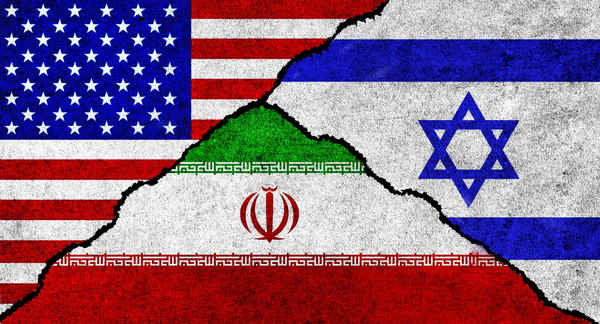
US and Israeli strikes on Iran have sharply escalated regional tensions, but key Middle Eastern ports continue operating largely without disruption.
 IMAGE: Getty Images
The US and Israel struck Iran over the weekend, reportedly killing Supreme Leader Ayatollah Ali Khamenei and triggering an active military conflict now in its third day. Iran has retaliated beyond symbolic measures, striking Gulf neighbours including the UAE and Saudi Arabia, and disrupting traffic through the Strait of Hormuz.
As of 2 March, there has been no internationally recognised legal closure of the Strait of Hormuz. However, Iranian radio warnings, heightened military risk and company-level directives have led to a sharp reduction in commercial traffic, with most vessels temporarily avoiding transit despite a limited number continuing to pass through, according to shipping agency Inchcape Shipping.
However, the impact on bunkering and other port operations has so far been limited.
“For now, this is a pricing event — not a physical supply shock,” cargo tracker Vortexa’s director of maritime risk and intelligence Claire Jungman noted.
Impact on regional ports
In the UAE, operations are experiencing limited constraints. Jebel Ali Port briefly suspended activity after missile debris from Iran’s retaliatory strikes landed in the area, DP World said. The Dubai-based ports operator later confirmed that the port has resumed full operations. Sharjah Port continues to function normally.
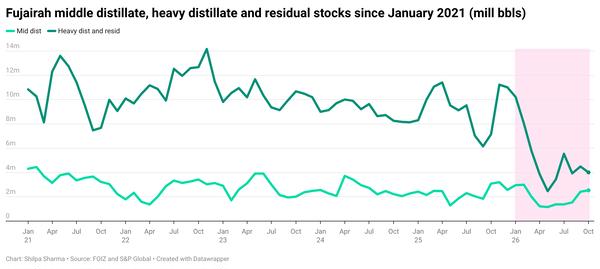
Fujairah and Khor Fakkan remain fully operational, with no navigational advisories issued by local authorities. Abu Dhabi Ports has also confirmed that all facilities under AD Ports’ management are open and operating as usual, Inchcape Shipping reported.
Port activity across Kuwait — including Mina Al Ahmadi, Mina Abdulla and Mina Al Zour — remains unaffected and continues as normal.
In Oman, certain facilities face restrictions. Port of Duqm and Asyad Dry Dock in Duqm have halted operations. However, Muscat, Mina Al Fahal, Sohar and Salalah remain open and operational, according to Inchcape Shipping.
At Qatar’s Ras Laffan, operations continue without formal disruption notices, though significant GPS interference has been reported and vessels have been advised to exercise heightened caution. Port of Mesaieed is functioning normally, with no official circular issued. Hallul and Al Shaheen are also operating as usual, according to GAC Hot Port News.
Qatar’s Ministry of Transport has directed shipping lines and freight forwarders to maintain regular operations and complete all port and cargo procedures without interruption, Inchcape Shipping added.
In Bahrain, port operations — including pilotage services — have been temporarily suspended.
Elsewhere, activity remains steady. Egyptian ports and the Suez Canal are fully operational. Aqaba Port in Jordan continues normal operations. Pakistani ports remain open, according to Inchcape Shipping.
In Iraq, Basrah Oil Terminal, Khor Al Zubair and Umm Qasr are functioning as normal. Saudi ports — including Al Jubail, Ras Tanura, Jeddah, Rabigh, Gizan and Yanbu — continue operations without suspension notices from terminals. Yemeni ports of Aden and Hodeidah are also operating normally, GAC Hot Port News said.
By Tuhin Roy
Please get in touch with comments or additional info to news@engine.online