Oil holds firm as Saudi supply risks deepen and Hormuz flows stall
Brent crude's price remains firm, driven by concerns over Saudi supply disruptions and as tanker traffic through the critical Strait of Hormuz remains largely stalled.
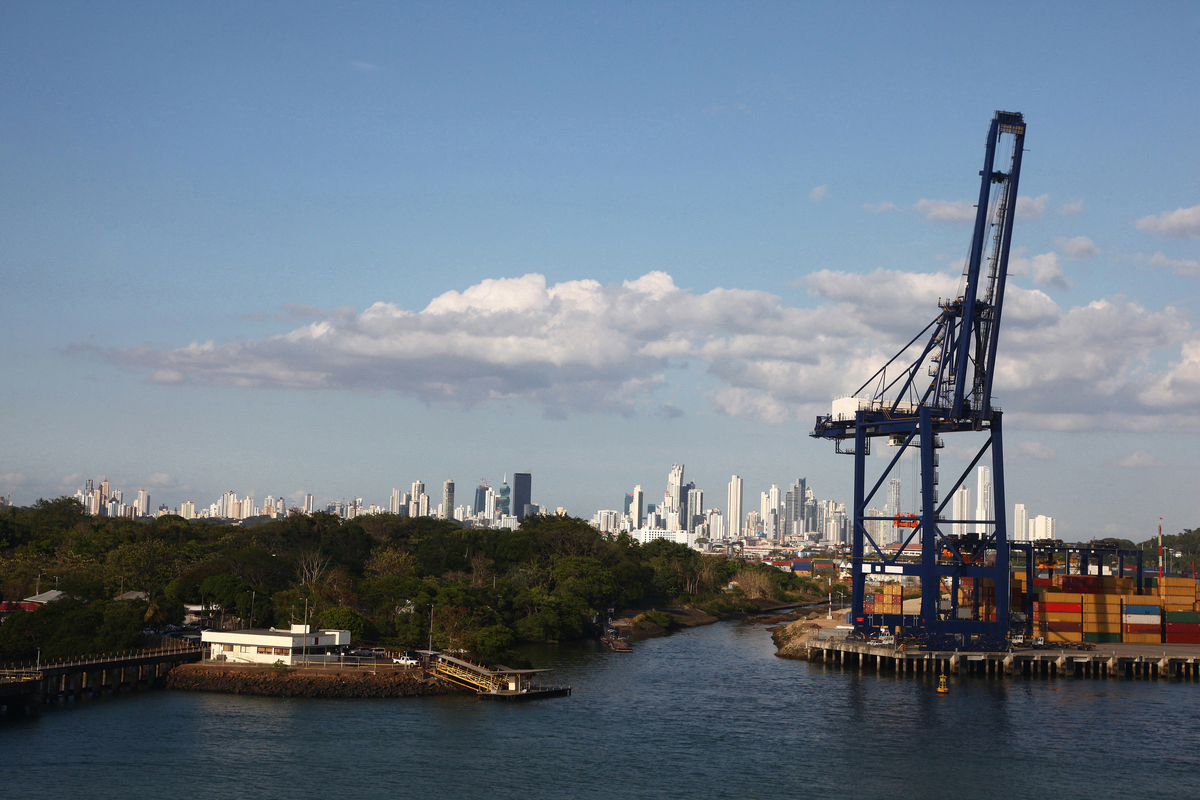
 IMAGE: Getty Images
Attacks on Saudi Arabia’s energy infrastructure—including oil and gas production, transportation, refining, petrochemical facilities, and parts of the electricity sector across Riyadh, the Eastern Province, and Yanbu Industrial City—have reduced the kingdom’s oil production capacity by around 600,000 b/d. Throughput along the East-West Pipeline has also fallen by approximately 700,000 b/d, according to the state-run Saudi Press Agency, citing an official from the Ministry of Energy.
“Strikes on Saudi oil fields, East-West pipeline reduce crude output and throughput,” remarked VANDA Insights’ founder Vandana Hari.
At the same time, a fragile two-week ceasefire between the US and Iran began to show signs of strain within a day. Washington accused Tehran of breaching commitments related to the Strait of Hormuz, while Israel launched strikes on Lebanon that Iran claims violate the truce.
“A ceasefire has opened what appears to be a limited exit window from the Gulf, prompting over 300 vessels to move at once. Yet flows through the Strait of Hormuz remain conditional and constrained,” said Kpler’s head of policy and geopolitical risk Michelle Brouhard.
“Crude oil futures rebounded as the US-Iran ceasefire failed to allay fears of further supply disruptions,” added Daniel Hynes, senior commodity strategist at ANZ Bank.
By Tuhin Roy
Please get in touch with comments or additional info to news@engine.online