Rerouted ships lift bunker demand around Africa as availability tightens
Ships rerouting around Africa to avoid the Red Sea route are increasingly enquiring about bunkers in Africa locations. But traders and suppliers say high prices and tight fuel availability are constraints.
 IMAGE: The Monjasa Hunter operates in West Africa. Monjasa
Major shipping companies including Maersk, CMA CGM and Hapag-Lloyd said they have halted trans-Suez services through the Bab El-Mandeb Strait due to the security situation in the Middle East.
Ships have started taking longer routes around the Cape of Good Hope in South Africa, increasing fuel costs and sailing times. Several liner companies have also announced emergency fuel surcharges to pass on some of these costs to its customers.
Maersk has said that while there is enough fuel around globally, it is not evenly distributed. To make sure its container ships can continue to trade without bunker contraints, it will work to redistribute fuel where its ships need it.
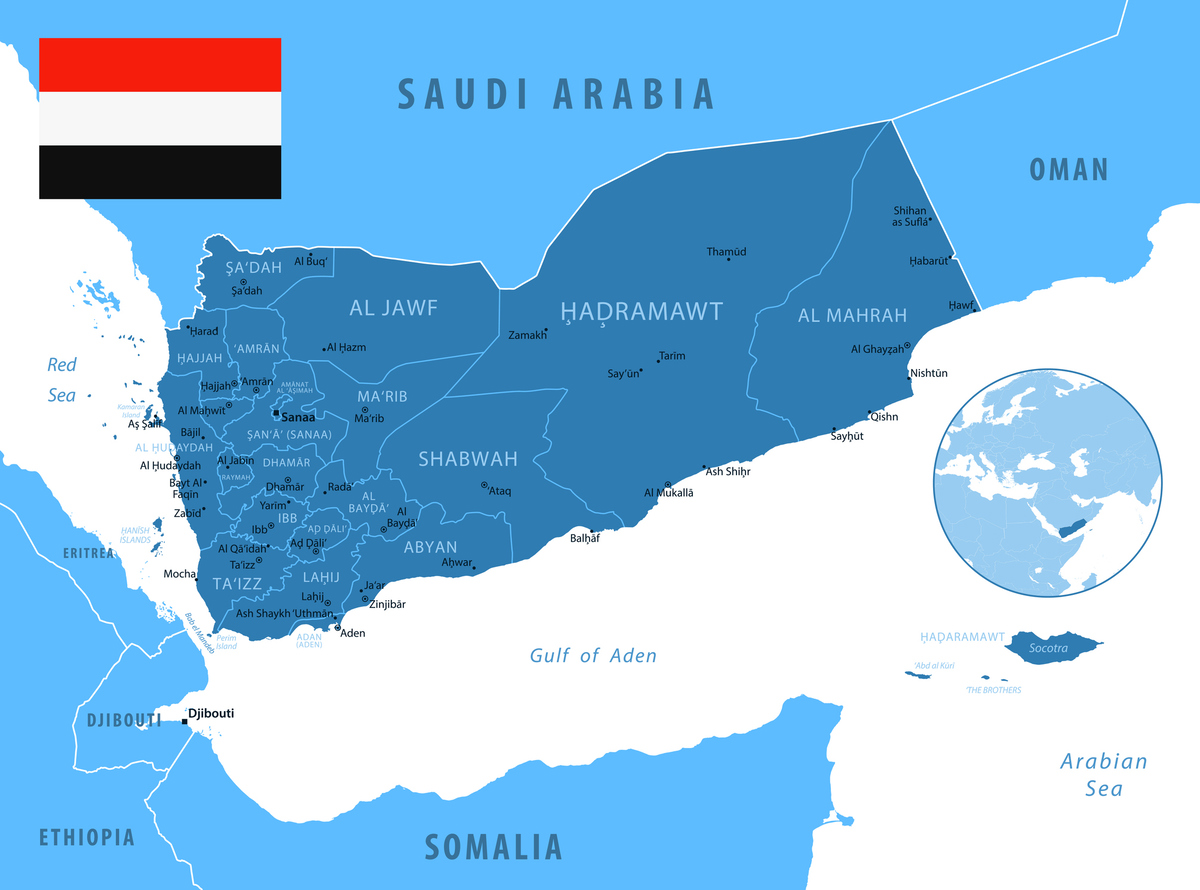
Since 2023, the Iran-backed and Yemen-based Houthi militia has targeted commercial vessels in the Red Sea and surrounding areas in response to Israel’s warfare on the Gaza Strip.
Over the weekend, Houthi militants formally joined the current war between Israel-US and Iran, firing ballistic missiles towards southern Israel, media reports said. The US Department of Transportation (DoT) issued an advisory on Friday, warning commercial vessels using the Bab al-Mandeb Strait that the Houthis may again target vessels in the region.
Vessel reroutings have increased bunker demand in locations around Africa. The number of bunker enquiries have increased in Southern and West African locations like Durban, Port Louis, Walvis Bay and Lome, a trader told ENGINE.
A bunker supplier in Angola’s Luanda confirmed the trader’s observation, but said high prices are discouraging ships from picking up stems in West African ports.
“Vessels who can avoid taking supplies in the area are taking it elsewhere,” the supplier said.
The Angolan supplier has run out of VLSFO, and replenishments are only expected in the second week of April.
Bunkering VLSFO off Namibia’s Walvis Bay can cost more than $1,400/mt.
HSFO availability is tight in South Africa’s Durban, where one supplier's earliest delivery dates are up to two weeks out.
Bunker supplier Monjasa has observed a notable increase in bunker volumes in select West African supply areas, include Lome and Walvis Bay, but has also experience tight fuel availability.
“From the epicenter in Hormuz, we are seeing how the ripples are spreading to West Africa and Asia, where markets are also beginning to experience low product availability because demand is rising without supply being able to keep up,” a Monjasa spokesperson told ENGINE.
The company said it has "flexible local product sourcing" and 10 active tankers with which it can arrange supplies throughout the West African region.
On-and-off Houthi threats and attacks by the Red Sea since 2023 have led ships to reroute around Africa. This has been a contributing factor in bunker suppliers launching new physical operations across Western Africa.
Flex Commodities launched physical supply with a bunker tanker in Walvis Bay in November last year.
Earlier in 2025, Aurelio set up bunker operations in Senegal’s Dakar, while Bunker Partner launched its first ever physical location in the Ivory Coast's Abidjan. Vitol started offering VLSFO and LSMGO in Dakar and off Togo's Lome from May.
Monjasa said it is too early to conclude whether new supply patterns are emerging in West Africa.
"We expect the market to remain highly volatile for quite some time, even after the crisis ends, as supply lines need to be reestablished," it said.
By Nachiket Tekawade
Please get in touch with comments or additional info to news@engine.online