Valencia port tenders substation to bring shore power to ships
The new substation will double the port’s electricity supply capacity and take an estimated 20 months to build, the port said.
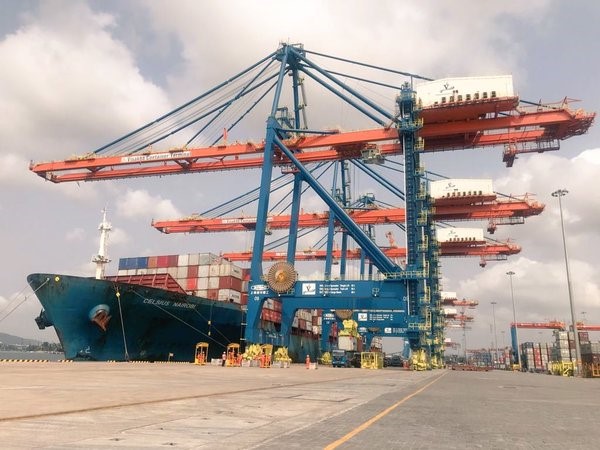
 IMAGE: Container terminals for loading and unloading from ships at Valencia, Spain. Getty Images
The Port Authority of Valencia (APV) has launched a tender for a new electrical substation, ST2, to strengthen power supply at the port and support the rollout of onshore power supply (OPS) systems for vessels.
OPS allows berthed ships to draw electricity from the shore-side grid and switch off their auxiliary engines, which generate onboard power and consume bunker fuel. This can reduce emissions and noise from ships while they are in port.
Valencia port ST2 will share available power capacity with the port’s existing substation, ST1, ranging from 40 megawatts (MW) to 90 MW, depending on which incoming power lines are used.
APV tendered its first shore power project back in 2023, a €12.5 million ($13.5 million) installation of electrical connections for ships at the Transversal de Costa-MSC quay. It said then that it planned a second substation to support the facility.
The infrastructure will supply electricity to cargo terminals and logistics facilities, as well as OPS systems for vessels. The project carries an estimated investment of €18.7 million ($21.3 million), supported by the European Commission through the Connecting Europe Facility.
Spain’s Council of Ministers has authorised the tender, which APV has now launched.
Under FuelEU Maritime, container and passenger ships above 5,000 gross tonnes calling at EU ports must use shore power or an equivalent zero-emission technology from January 2030.
In January, Rotterdam Shore Power, a joint venture between the Port of Rotterdam and Dutch energy company Eneco, selected Swiss technology firm ABB to build shore power infrastructure across three deep-sea container terminals, with operations scheduled to begin in the second half of 2028.
In July, German shipping company Hapag-Lloyd agreed with the Hamburg Port Authority to connect its ships to shore power at the port whenever operationally feasible. About 35% of its fleet is equipped to use it, the company said.
In September, the Cruise Lines International Association (CLIA) said only 40 ports where cruise ships call have at least one shore power connection, under 3% of the ports they visit.
By Gautamee Hazarika
Please get in touch with comments or additional info to news@engine.online