East of Suez Fuel Availability Outlook 7 July
Super typhoon Bavi-induced bad weather suspends bunkering in Zhoushan
VLSFO and LSMGO availability tight across several Japanese ports
VLSFO and LSMGO availability tight in Djibouti
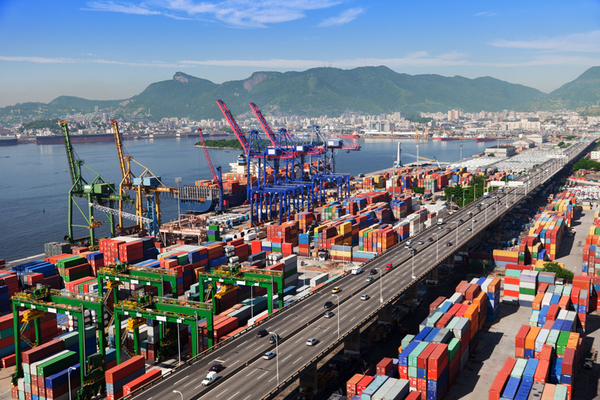
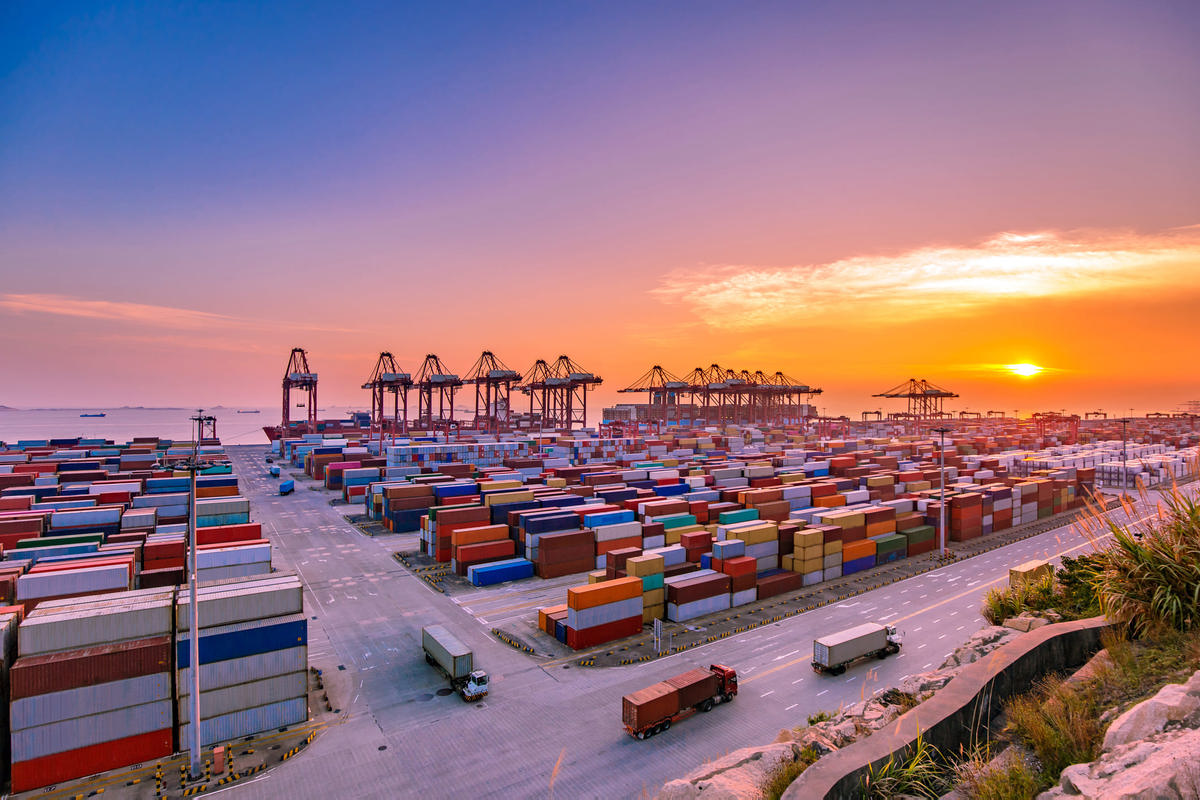 IMAGE: Yangshan harbour of Shanghai, China. Getty Images
Singapore and Malaysia
VLSFO availability in Singapore remains tight, with suppliers now recommending lead times of 13–17 days. This marks a shift from last week, when some suppliers were quoting lead times of around nine days, while others advised waiting more than four weeks.
Recommended lead times for HSFO have widened to 11–19 days, from 7–11 days last week. LSMGO availability has also widened, with suppliers now recommending lead times of 8–10 days, up from 3–8 days a week ago.
Singapore's fuel oil inventories dropped below 18 million bbls in June, amid a 24% decline in the port's net fuel oil imports. Imports fell by 781,000 bbls during the month, while exports recorded a more modest decline of 158,000 bbls.
Singapore's middle distillate inventories also declined in June, averaging 13% below the previous month's level.
Bunker fuel availability in Malaysia's Port Klang remains mixed. VLSFO supply is generally adequate, particularly for smaller prompt stems. However, LSMGO availability remains constrained, while HSFO continues to face supply pressure, keeping both grades relatively tight.
East Asia
Bunker availability in Zhoushan has tightened despite subdued demand. Recommended lead times for VLSFO have increased to 10–15 days from 7–12 days last week, while lead times for both LSMGO and HSFO have lengthened to 7–10 days from 5–7 days.
Bunker operations at Zhoushan’s outer and inner anchorages were suspended this morning due to adverse weather caused by Super Typhoon Bavi, according to a source.
Most suppliers remain uncertain about when bunkering operations across Zhoushan will fully resume, the source added.
Bunker fuel availability across northern China remains mixed. Suppliers in Dalian and Qingdao hold ample stocks of VLSFO and LSMGO, although HSFO availability in Qingdao remains limited. In Tianjin, all major bunker grades continue to face supply constraints, while VLSFO and HSFO remain tight in Shanghai. LSMGO supply in Shanghai, however, is relatively stable.
Supply constraints also persist across several southern Chinese ports. Both VLSFO and LSMGO remain tight in Fuzhou. Xiamen has sufficient VLSFO availability but tighter LSMGO supply, while both grades remain constrained in Yangpu and Guangzhou.
Hong Kong's bunker market remains steady, with recommended lead times for all major bunker grades holding at around seven days, broadly unchanged from recent weeks.
Bunker fuel availability at Taiwan’s major ports of Hualien, Keelung, Taichung and Kaohsiung remains stable. Recommended lead times for VLSFO and LSMGO are around two days in Hualien and Taichung, and approximately three days in Keelung and Kaohsiung, largely unchanged from the previous week.
Across South Korea’s southern ports—including Busan, Ulsan, Masan, Onsan, Yeosu and Kwangyang—recommended lead times for VLSFO and LSMGO remain steady at 4–6 days, unchanged from last week. HSFO is now supplied on an enquiry basis, compared with lead times of 4–6 days a week earlier.
In South Korea’s western ports, including Incheon, Daesan, Dangjin, Pyeongtaek and Taean, recommended lead times for VLSFO and LSMGO have widened to 9–14 days from 4–6 days last week. HSFO is also available only on an enquiry basis, compared with lead times of 4–6 days a week ago.
In Japan, bunker demand has strengthened as expected, with inquiries rising amid increasingly competitive regional pricing. VLSFO availability is extremely tight, and July capacity remains limited, while LSMGO supply has tightened sharply, a Japan-based trader said.
The trader urged buyers to secure their spot requirements as soon as possible, citing a severe supply squeeze and limited July allocations, with Japanese refineries expected to prioritise domestic energy demand.
At major Japanese ports, including Tokyo, Chiba, Kawasaki, Kashima, Nagoya, Yokkaichi, Osaka, Kobe, Mizushima and Oita, VLSFO and LSMGO remain in short supply, with only a limited number of suppliers able to offer these grades. HSFO is comparatively more available, with recommended lead times of around 7–10 days.
In contrast, Indonesia's bunker market remains well supplied. VLSFO availability is stable across Jakarta, Surabaya, Balikpapan and Cigading, where suppliers are generally quoting lead times of around 2–3 days.
Oceania
VLSFO availability remains stable in Western Australia. Suppliers in Kwinana and Fremantle are generally recommending lead times of around seven days. Bunker operations at both ports continue to be handled by a single supplier, with all deliveries carried out by barge.
Supply conditions vary across Australia's east coast. In New South Wales, Port Kembla can accommodate VLSFO deliveries via truck or pipeline, while suppliers in Sydney have sufficient stocks of both VLSFO and LSMGO. HSFO remains comparatively tighter in Sydney, with suppliers typically requiring around seven days of advance notice.
In Queensland, VLSFO and LSMGO availability remains good in Brisbane and Gladstone, where recommended lead times are around seven days.
Further south, suppliers in Melbourne and Geelong continue to maintain healthy VLSFO inventories. However, bunker deliveries at both ports depend on a single barge, keeping lead times at approximately one week.
HSFO availability has tightened further in both Melbourne and Brisbane.
One supplier is currently offering all bunker grades in Brisbane, Sydney and Melbourne with lead times of around five days. In Dampier, bunker deliveries continue to be conducted through truck-assisted pipeline operations, making advance planning and berth confirmation especially important, according to a market source.
Across the Tasman Sea, bunker fuel availability in New Zealand remains broadly unchanged. VLSFO is readily available in Tauranga and Auckland, where suppliers are recommending lead times of about four days. At Marsden Point, both VLSFO and LSMGO can be supplied directly to vessels through pipeline infrastructure.
Weather continues to present operational challenges across New Zealand. Bunker deliveries remain particularly susceptible to disruption in Wellington and ports across the South Island, where adverse weather conditions can periodically interrupt supply operations.
South Asia
A supplier in India’s Mumbai is recommending lead times of around 2–3 days for all bunker fuel grades. However, deliveries could face delays due to adverse weather associated with the monsoon, a source said.
The arrival of the monsoon is expected to disrupt bunker operations at several Indian ports over the coming days, with weather-related delays likely to impact delivery schedules. Disruptions are forecast at Kandla and Sikka between 8–11 July, while rough sea conditions could affect bunker operations in Mumbai, Cochin and Visakhapatnam from 7–11 July.
In Sri Lanka, bunker market conditions remain steady, with adequate inventories of all major bunker fuel grades in Colombo and Hambantota. At least one supplier is now recommending lead times of around three days, down from about six days.
Adverse weather could also intermittently disrupt bunker operations in Colombo and Trincomalee between 7–11 July, with the potential to delay bunker deliveries.
Middle East
Bunker fuel availability has improved across all major grades in Fujairah, with several suppliers now able to accommodate prompt delivery requests.
Demand remains subdued across the Middle East bunker market following the arrival of a large VLSFO cargo. Although HSFO and LSMGO are relatively less well supplied, weak buying interest has kept both grades broadly balanced.
Most suppliers in Fujairah are able to offer prompt VLSFO stems, while fewer suppliers have LSMGO available. HSFO remains comparatively tight, though some suppliers continue to offer the grade.
Supply conditions have also improved at the neighbouring UAE bunker hub of Khor Fakkan, where availability of both VLSFO and HSFO has strengthened.
Elsewhere in the UAE, port operations at Jebel Ali, Hamriyah, Dibba and Sharjah continue without disruption, according to Inchcape Shipping. Ports in Ras Al Khaimah are also operating normally.
All ports in Kuwait remain fully operational.
No official operational advisories have been issued for Saudi Arabian ports. In Jeddah, VLSFO and LSMGO availability remains relatively stable. However, adverse weather could disrupt bunker operations in Jeddah and Yanbu between 7–11 July.
In Qatar, all ports remain operational, according to Inchcape Shipping. However, VLSFO and LSMGO continue to face supply constraints at Ras Laffan.
“Despite regional tensions affecting some shipping patterns, Oman experienced no major supply disruptions, and overall demand and business volumes remained stable,” an Oman-based trader said.
“Market remained stable, supported by steady bunker activity across Sohar, Duqm, Muscat, and Salalah,” the trader added.
One supplier is recommending lead times of just 2–3 days at the major ports of Duqm, Muscat, Sohar and Salalah. However, high wave activity forecast in Salalah on 8 July could temporarily disrupt bunkering operations, according to a source.
In Egypt, port operations continue as normal. At Port Suez, HSFO inventories remain tight, while VLSFO stocks are nearing depletion.
Further south, both VLSFO and LSMGO remain difficult to secure in Djibouti. Meanwhile, port and bunker operations across Jordan, Iraq, Cyprus, Pakistan and Lebanon continue to operate normally, according to shipping agency Inchcape Shipping.
By Tuhin Roy
Please get in touch with comments or additional info to news@engine.online