East of Suez Market Update 26 June
Prices in East of Suez ports have moved in mixed directions, and availability of VLSFO and LSMGO is good across several Indian ports.
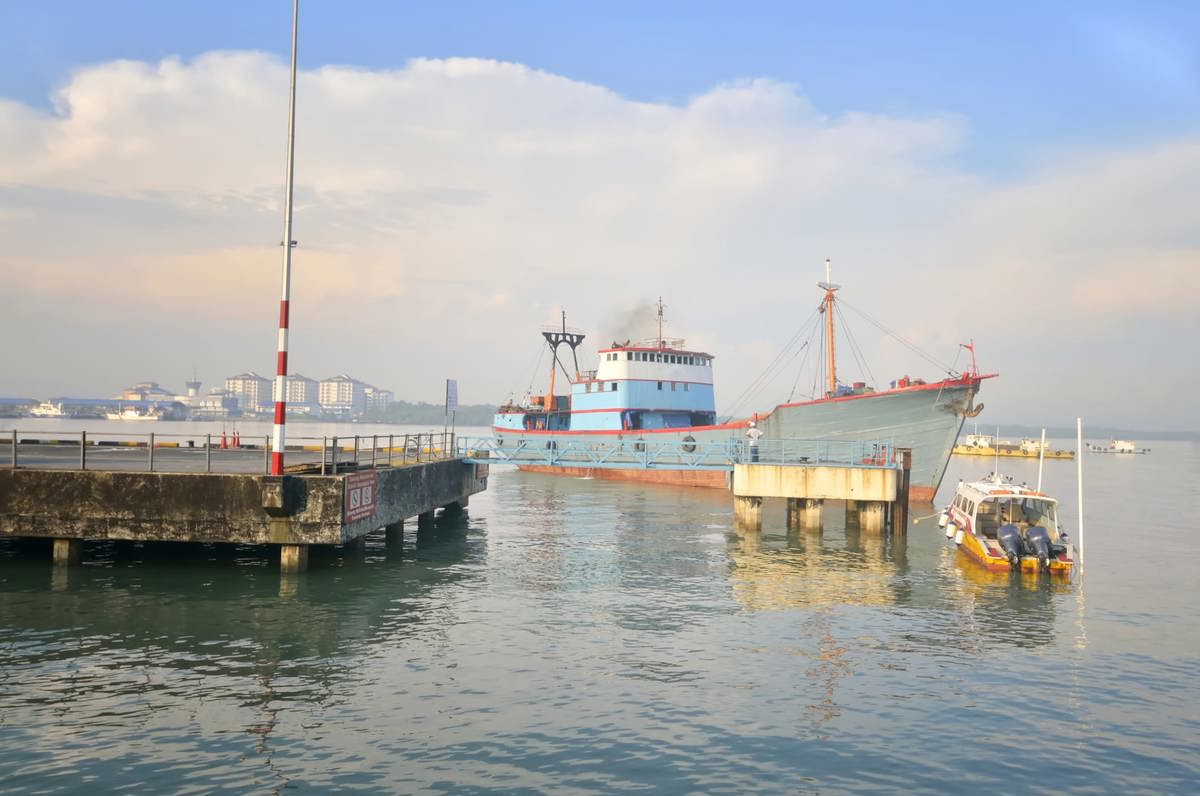
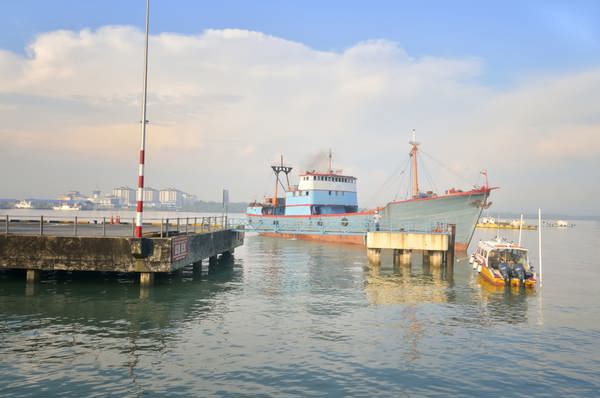
 IMAGE: A view of Kandla Port, Gujarat. Getty Images
Changes on the day to 17.00 SGT (09.00 GMT) today:
- VLSFO prices up in Zhoushan ($14/mt), Singapore ($4/mt), and down in Fujairah ($6/mt)
- LSMGO prices up in Zhoushan ($8/mt), Singapore ($2/mt), and down in Fujairah ($3/mt)
- HSFO prices up in Singapore ($4/mt), and down in Zhoushan ($19/mt) and Fujairah ($12/mt)
- B30-VLSFO price down in Singapore ($1/mt)
VLSFO prices in Zhoushan and Singapore have increased over the past day, while Fujairah's benchmark has edged lower. Despite the decline, Fujairah's VLSFO continues to trade at substantial premiums of $319/mt to Zhoushan and $268/mt to Singapore.
Bunker fuel availability in Fujairah has improved, with most suppliers able to offer prompt VLSFO stems. A smaller number of suppliers also have LSMGO available, while HSFO supply has strengthened, with some suppliers now able to deliver the grade.
On India's west coast, VLSFO and LSMGO availability remains stable at the ports of Kandla, Sikka, Pipavav and Hazira. Suppliers are recommending lead times of 3–4 days. In southern India, some suppliers in Chennai and Ennore can provide all three major bunker grades with similar lead times of 3–4 days, according to a source.
Brent
The front-month ICE Brent contract has gained by $0.19/bbl on the day, to trade at $72.56/bbl at 17.00 SGT (09.00 GMT) today.
Upward pressure:
Brent crude has drawn some upward thrust as regional skirmish continued between Israel and Lebanon, with the Israel Defense Forces (IDF) targeting the Zawtar al-Sharqiya region in southern Lebanon, it said on social media platform X.
The news emerges as a significant threat to the durability of the US-Iran interim agreement, as Tehran has conditioned its commitment to the peace deal, only after a complete cessation of military operations in Lebanon.
Meanwhile, a cargo vessel transiting the Strait of Hormuz was struck by an unknown projectile off the coast of Oman yesterday, the United Kingdom Maritime Trade Operations (UKMTO) reported.
“Oil bounced back yesterday after a vessel was struck in the Persian Gulf,” two analysts from ING Bank noted.
The attack occurred shortly after Iran’s Islamic Revolutionary Guard Corps (IRGC) Navy warned commercial vessels against using unauthorised routes through the region.
The attack “highlighted the fragile state of the ceasefire, while also demonstrating the risks facing vessels in the Persian Gulf,” ING Bank’s analysts added.
Downward pressure:
Brent’s price has felt some downward pressure as the oil market focused on the resumption of oil flows through the Strait of Hormuz.
Oil is flowing through the Persian Gulf at the “fastest pace” since the beginning of the Middle East conflict on 28 February, according to ANZ Bank’s senior commodity strategist Daniel Hynes.
Cargo tracking platform Kpler reports dry bulk carrier transits through the strait have increased from one or two ships a week, to more than 10 a day in the week to 24 June, since the interim US-Iran peace deal was signed in France.
“[Oil] market momentum still appears to be largely downward,” ING Bank’s analysts said.
By Tuhin Roy and Aparupa Mazumder
Please get in touch with comments or additional info to news@engine.online