Europe & Africa Market Update 22 June
Bunker prices across major European and African ports have mostly dropped, while fuel availability is normal for all fuel grades in Greece’s Piraeus.
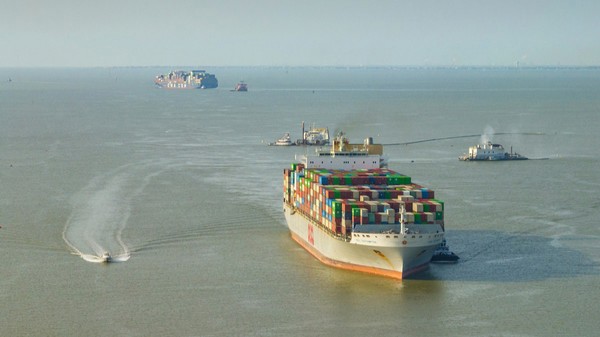
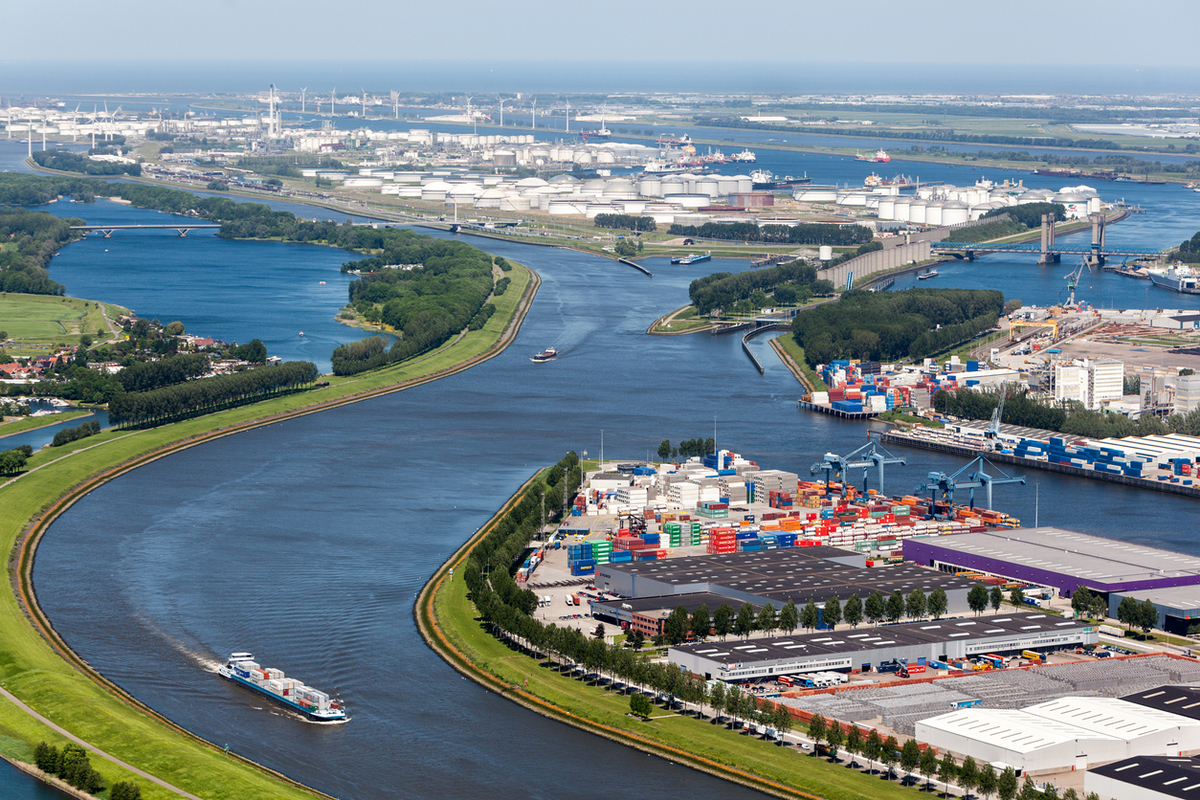 IMAGE: The Europort area in the Port of Rotterdam. Getty Images
Changes on the day from Friday to 09.00 GMT today:
- VLSFO prices up in Rotterdam ($4/mt), and down in Durban ($10/mt) and Gibraltar ($1/mt)
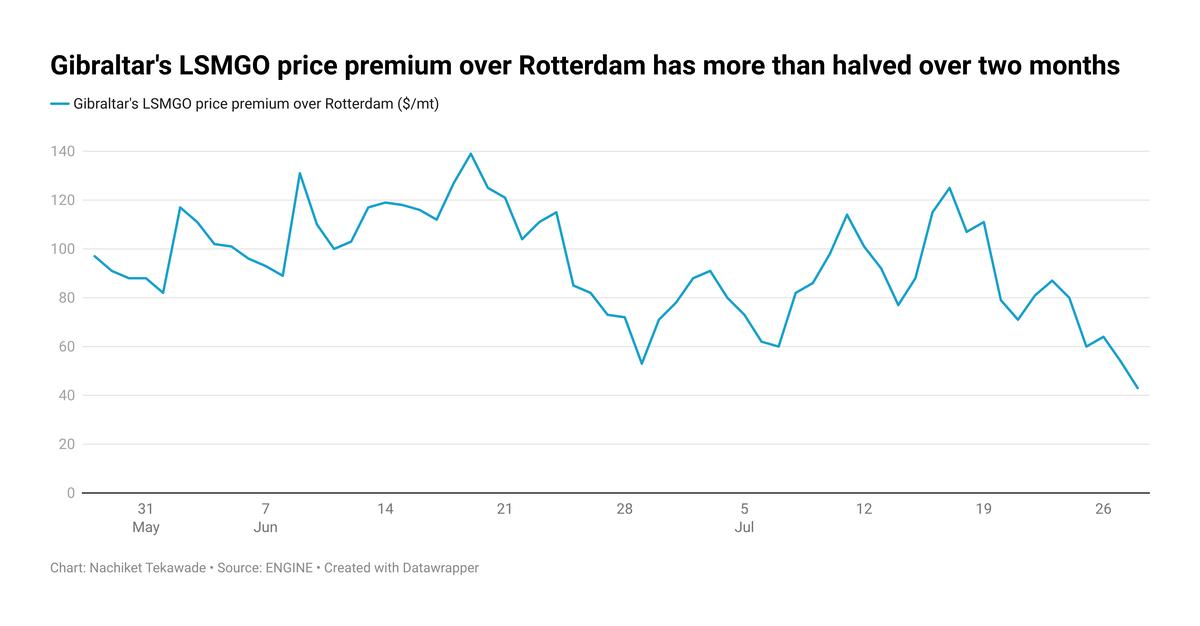
- LSMGO prices up in Rotterdam ($3/mt), and down in Gibraltar ($37/mt) and Durban ($30/mt)
- HSFO prices down in Rotterdam ($32/mt) and Gibraltar ($6/mt)
- B30-VLSFO prices down in Gibraltar ($12/mt) and Rotterdam ($7/mt)
Piraeus’ LSMGO price has slumped around $106/mt, more sharply than at Gibraltar. A lower-priced 150-500 mt LSMGO stem, fixed at $984/mt, has put downward pressure on the benchmark.
Consequently, Piraeus’ LSMGO price premium over Gibraltar has narrowed by around $69/mt, to $47/mt since Friday.
The price of VLSFO in Piraeus has dropped around $51/mt after a lower-priced 150-500 mt VLSFO stem, fixed at $678/mt, has pushed the port’s price down sharply.
Fuel availability is stable in the Greek port for all fuel grades, a local supplier said.
Lead times of around 5-7 days are recommended to avoid high premiums, a trader said.
Winds of more than 25 knots are forecast in the port between 27-29 June, which may cause some disruptions to bunkering operations.
Brent
The front-month ICE Brent contract has dropped by $0.20/bbl on the day from Friday, to trade at $79.29/bbl at 09.00 GMT.
Upward pressure:
Brent’s price has felt some upward pressure amid weekend reports of renewed hostilities, casting doubt on the US-Iran peace accord.
The Israel Defense Forces (IDF) struck targets in southern Lebanon over the weekend, breaching a key provision of the peace deal signed in France last week.
“Oil prices have moved higher this morning as the US-Iran ceasefire gets off to a rocky start,” two analysts from ING Bank noted.
Shortly after the IDF strikes, Tehran announced it had again closed the Strait of Hormuz to commercial vessels as Israel continued to attack Lebanon.
“For energy markets, the key factor is still whether oil and LNG flows from the Persian Gulf continue to recover, despite all the rhetoric,” the analysts said.
Downward pressure:
Talks between high-ranking officials from Washington and Tehran went well in Switzerland earlier today, according to reports.
Both countries have agreed to finalising a peace deal within the next 60 days that will end hostilities in Lebanon and reopen the Strait of Hormuz to commercial vessel traffic.
The talks, initially scheduled for Friday, were delayed until Sunday. It took place shortly after Israel launched drones on targets in Southern Lebanon.
“The US-Iran deal marks an inflection point for oil markets,” ANZ Bank’s senior commodity strategist Daniel Hynes noted. “Crude oil prices are expected to remain under pressure as supply through the Strait of Hormuz recovers,” he added.
By Nachiket Tekawade and Aparupa Mazumder
Please get in touch with comments or additional info to news@engine.online