Europe & Africa Market Update 6 July
Bunker prices across Europe and Africa have mostly declined, while prompt fuel availability is tight in ARA.
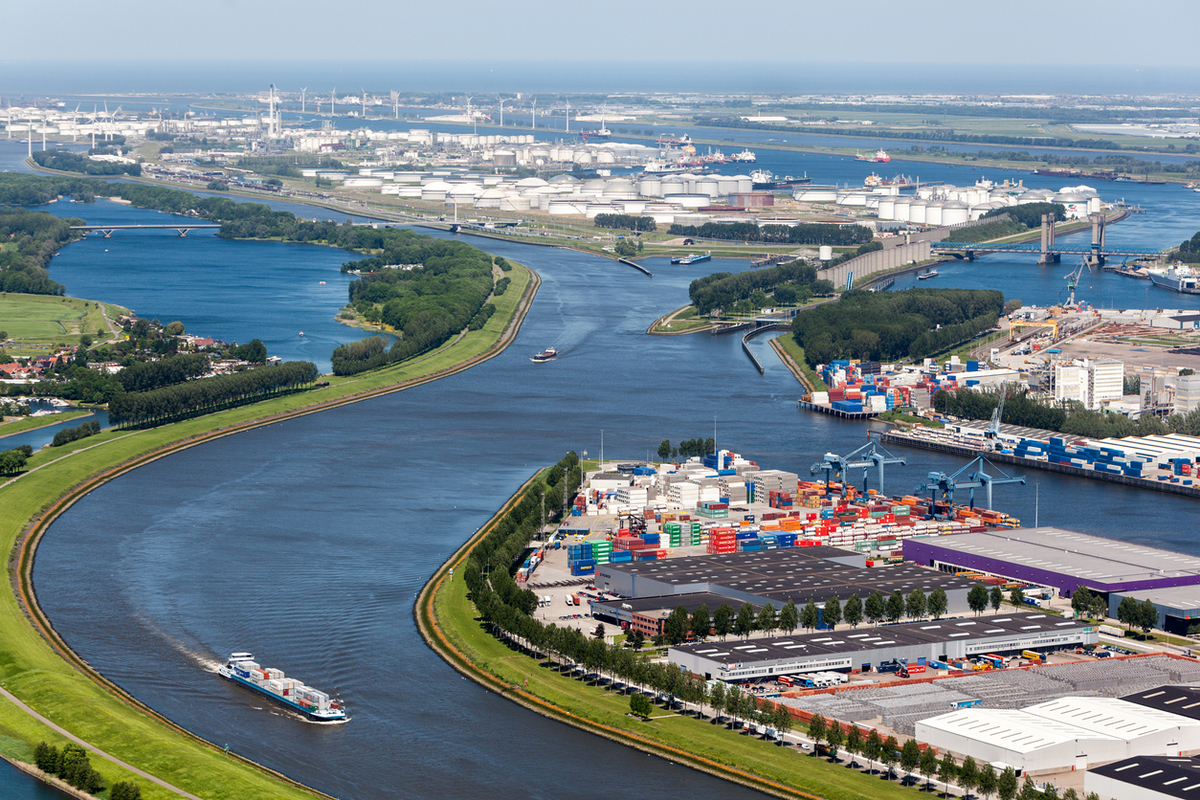
IMAGE: The Europoort area in the Port of Rotterdam. Getty Images
Changes on the day from Friday to 09.00 GMT today:
- VLSFO prices down in Durban ($13/mt), Gibraltar ($12/mt) and Rotterdam ($5/mt)
- LSMGO prices up in Rotterdam ($24/mt) and Durban ($5/mt), and down in Gibraltar ($19/mt)
- HSFO prices down in Durban ($9/mt), Rotterdam ($8/mt) and Gibraltar ($3/mt)
- B30-VLSFO prices down in Gibraltar ($26/mt) and Rotterdam ($13/mt)
Regional bunker benchmarks have mostly fallen over the weekend, tracking the drop in Brent.
Meanwhile, Rotterdam’s LSMGO price has gained significantly since Friday. A 50-150 mt LSMGO stem, fixed at $949/mt, has provided support to the benchmark.
Consequently, Rotterdam’s LSMGO price discount to Gibraltar has almost halved since Friday, to $54/mt.
Bunker availability is very tight in the ARA bunkering hub for prompt delivery dates, with buyers advised lead time of around seven days for VLSFO and HSFO stems, and five days for LSMGO deliveries, a trader said.
The ARA’s independently held fuel oil stocks rose 13% in June from May, according to Insights Global data. Inventories have rebounded from their May levels, which were the lowest in more than a decade.
Brent
The front-month ICE Brent contract has declined by $0.48/bbl on the day from Friday, to trade at $71.62/bbl at 09.00 GMT.
Upward pressure:
The global oil market is currently in a wait-and-watch mode amid the US-Iran standoff on a permanent transit protocol through the Strait of Hormuz.
Iran plans to introduce new transit fees for vessels in the Strait of Hormuz, its ambassador to China Abdolreza Rahmani Fazli said on Saturday, adding that Tehran is working with Oman on a new framework covering shipping services and regional supervision.
Fazli further indicated at the World Peace Forum in Beijing that “friendly” countries will receive special treatment, Iranian state media reported.
Notably, the US has consistently rejected Tehran's proposals to impose transit fees or tolls in the Strait of Hormuz, maintaining that the strategic waterway must remain open to passage for global commerce.
Downward pressure:
Brent crude’s price opened the week lower after the Organization of the Petroleum Exporting Countries and its allies (OPEC+) agreed to increase oil output again in August.
Seven members of the oil producers’ group have decided to implement a production adjustment of 188,000 b/d next month.
The adjustment will come from the 1.65 million b/d additional voluntary cut announced in April 2023, OPEC said.
The announcement comes amid the temporary peace agreement between Washington and Tehran – a move that is expected to reopen the Strait of Hormuz to commercial vessel traffic and restore global crude oil flows.
By Nachiket Tekawade and Aparupa Mazumder
Please get in touch with comments or additional info to news@engine.online